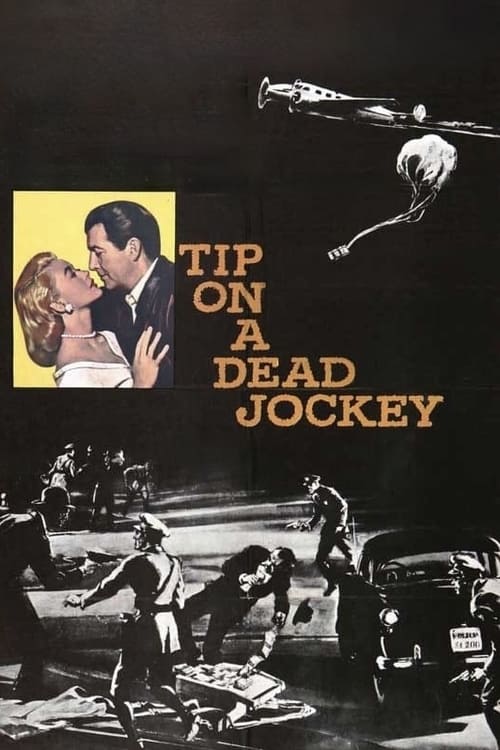
Tip on a Dead Jockey
1957
No user ratings available yet
Diversity score: 2.7 out of 10
1942
NRDirector
Jules Dassin
Runtime
83 minutes
Average Rating
No ratings yetSynopsis
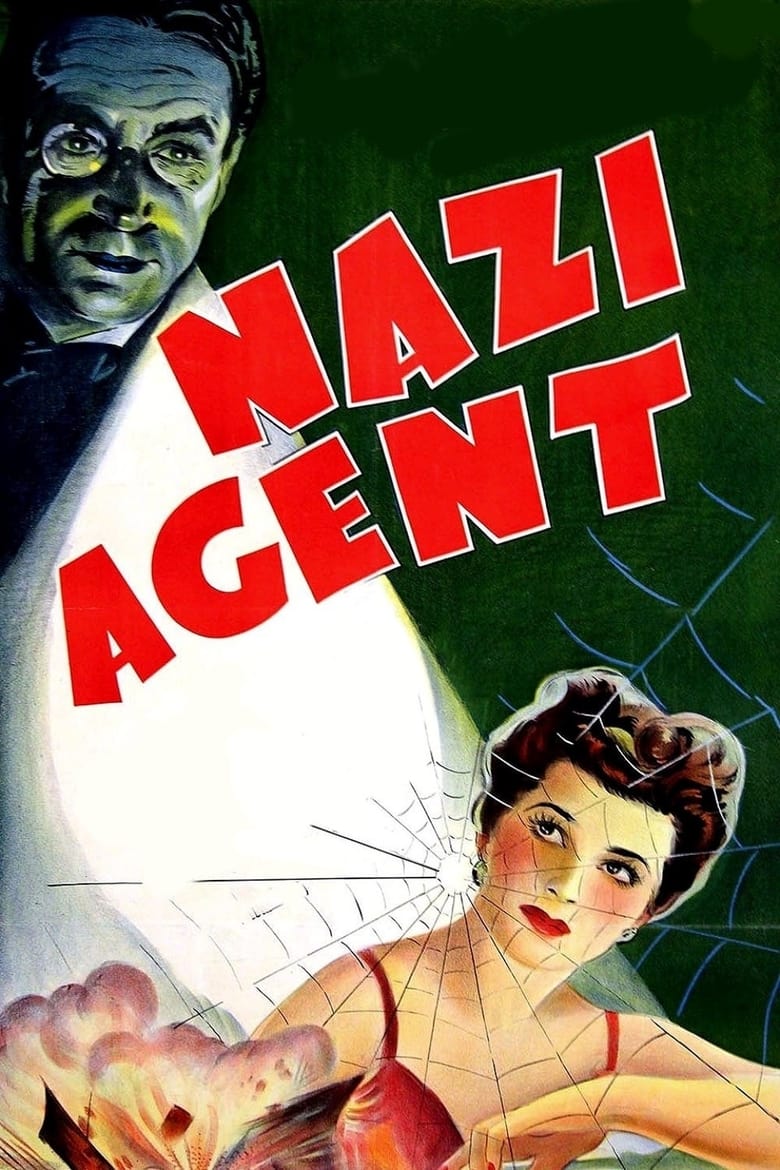
Humble stamp dealer Otto Becker has little to do with international politics, so when he receives a surprise visit from his estranged twin brother and Nazi spy, Baron Hugo von Detner, his world is thrown into turmoil. Threatening Becker with deportation, Hugo forces him to use his shop as a front for espionage.
Overall Score
Limited
Category Breakdown
LGBTQ+ Representation
The film focuses on the fraternal conflict between twin brothers. There is no evidence of non-cisnormative identities or same-sex intimacy within the narrative.
Gender Representation
Character arcs center on masculine struggles involving espionage and political survival. Agency is primarily concentrated in male-driven movements, following standard period distributions.
Racial & Ethnic Diversity
The story prioritizes the European ethnic context of occupied France. There is no documented evidence of intersectional casting or non-white characters driving the plot.
Religious & Cultural Diversity
The film explores morality through coerced complicity rather than simple binaries. It portrays the disruption of civilian life by systemic political violence.
Disability Representation
There are no prominent depictions of physical or neurodivergent disabilities that serve as central narrative elements.
Strengths
Areas for Improvement
AI Analysis
Nazi Agent is a wartime drama that prioritizes the geopolitical struggle of occupied France over social intersectionality. The narrative is built around the tension between individual morality and state-sponsored fascism, specifically through the lens of a man forced into espionage. The film operates within the traditional mid-century cinematic frameworks of its era. It focuses on the disruption of the domestic sphere by external political forces, centering the conflict on male-driven political survival and national sovereignty. While the film offers a nuanced look at agency under systemic pressure, it lacks the diverse representation found in modern cinema. The character dynamics and casting reflect the specific social and cinematic constraints of 1942.
1957
1955
1955
1943
1954
1942
1951
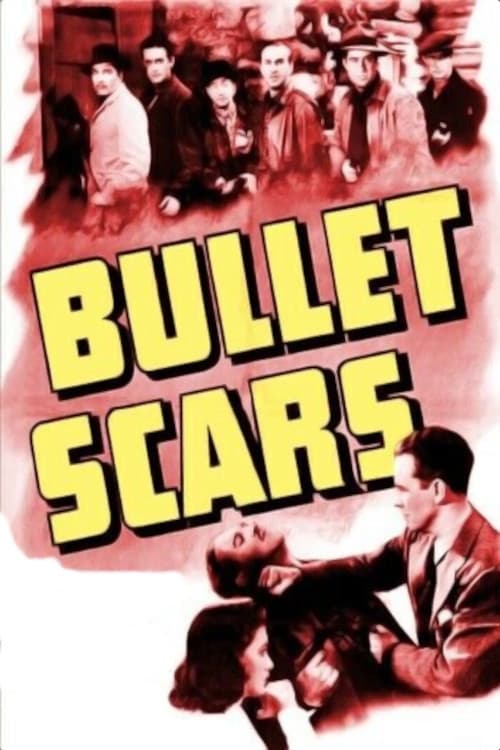
1942
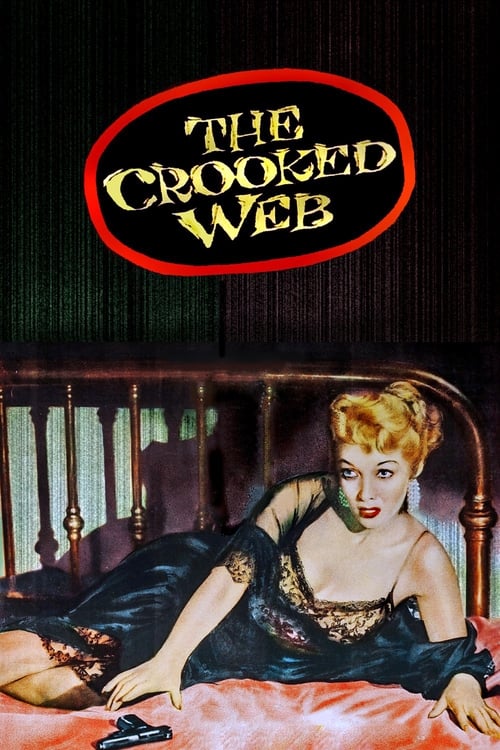
1955
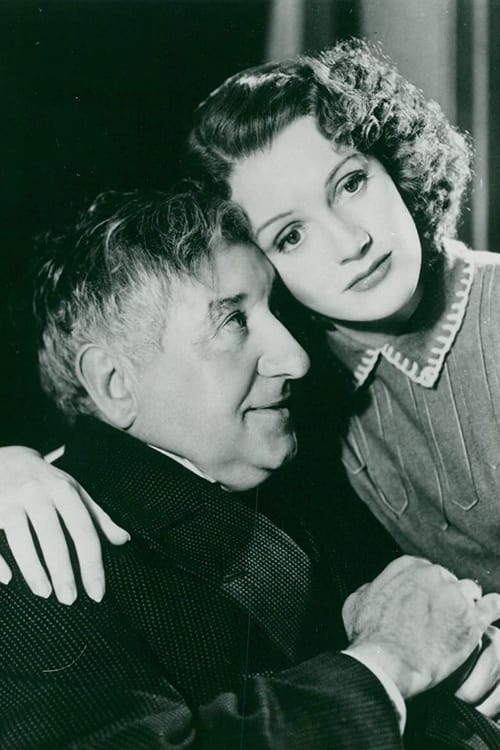
1940
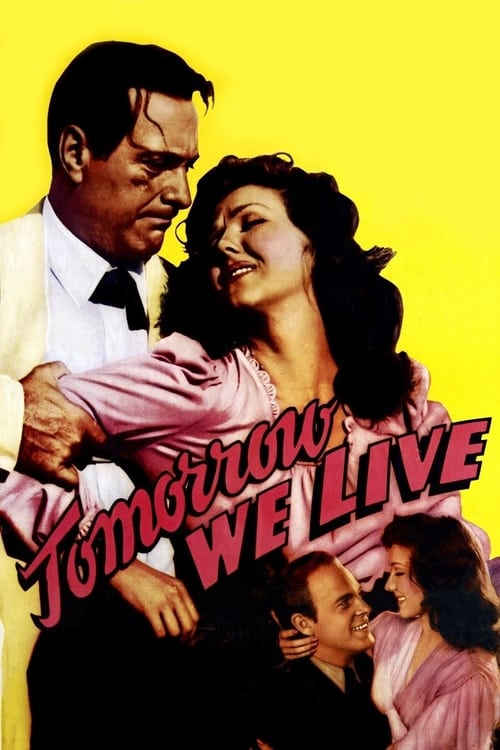
1942
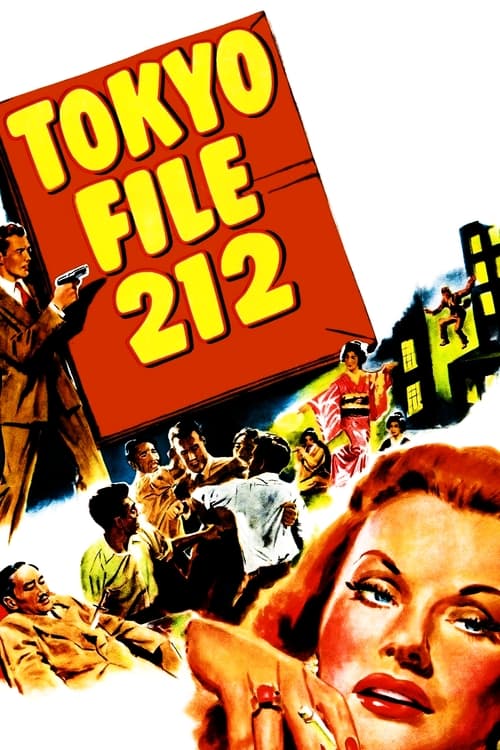
1951
No reviews yet. Be the first to share your thoughts on this movie!
Use the rating form above to leave a star rating and optional review.