Assignment Redhead
1956
No user ratings available yet
Representation score: 1.1 out of 10
Representation Score
Minimal
1951
NRDirector
Dorrell McGowan, Stuart E. McGowan
Runtime
84 minutes
Average Rating
No ratings yetNew Showbiz Analysis
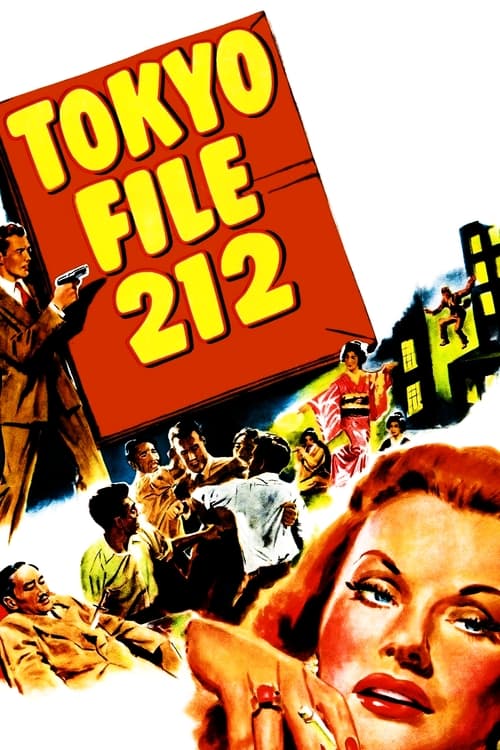
Tokyo File 212 is a product of the early 1950s studio system, emphasizing nationalistic narratives and Cold War geopolitical tensions. The film relies on conventional hero archetypes and reinforces Western institutional strength during wartime. The storytelling focuses on masculine-coded espionage and combat. This emphasis, combined with a Western-centric perspective, limits the depth of representation for non-Western or non-masculine identities. Ultimately, the film serves to reinforce traditional social hierarchies and patriotic sentiment rather than exploring nuanced cultural perspectives.
Category Breakdown
The film focuses on espionage and military conflict. There are no LGBTQ+ characters or themes related to non-straight identities.
The story centers on masculine roles such as secret agents and combatants. Women likely play supporting or domestic roles rather than driving the plot.
Set in Tokyo, the story is told from a Western perspective. Japanese characters mostly appear as antagonists in a Communist spy ring.
The film promotes Cold War-era patriotism and Western interests. It portrays opposing political ideologies as threats to stability without considering moral relativism.
A former kamikaze pilot with psychological trauma is mentioned. However, it is unclear if this character has a significant role or merely serves as a plot device.
Present on Screen
Limited or Absent
Official Synopsis
A Communist spy ring in Japan is hard at work trying to sabotage the American war effort during the Korean War, using kidnapping, murder and a disturbed former kamikaze pilot. A U.S. secret agent, posing as a reporter, is dispatched to Tokyo to put a stop to these nefarious activities.
1956
1940
1948

1952

1955

1953

1958

1946
No reviews yet. Be the first to share your thoughts on this movie!
Use the rating form above to leave a star rating and optional review.