
The Miami Story
1954
No user ratings available yet
Diversity score: 2.5 out of 10
1955
ApprovedDirector
Dick Ross
Runtime
80 minutes
Average Rating
No ratings yetSynopsis
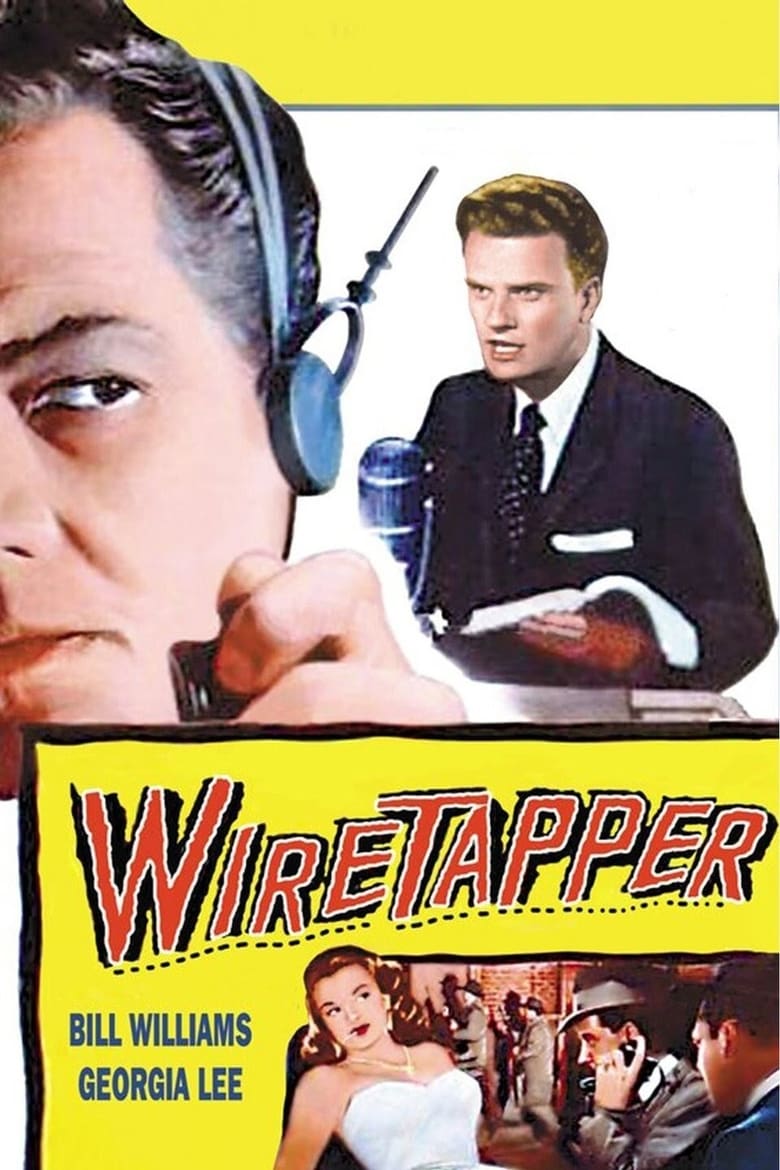
A cash-strapped electrical engineer with a criminal past vows to go straight when he marries his longtime girlfriend, but he has second thoughts when the mob offers big money for his wiretapping services.
Overall Score
Limited
Category Breakdown
LGBTQ+ Representation
The film focuses on a heteronormative romantic commitment between the protagonist and his longtime girlfriend. There is no evidence of non-cisnormative identities or critiques of traditional domesticity.
Gender Representation
The story centers on a male protagonist's moral struggle. The female lead serves primarily as a catalyst for his redemption, tying her agency to his personal stability.
Racial & Ethnic Diversity
The narrative likely reflects the era's tendency toward homogeneous, Anglo-centric casts. There is no evidence of diverse ensemble integration or race-bent casting within this crime drama.
Religious & Cultural Diversity
The conflict explores personal redemption and adherence to societal norms. The protagonist's struggle aligns with traditional legal and social institutions rather than questioning them.
Disability Representation
The film provides no information regarding characters with visible or invisible disabilities.
Strengths
Areas for Improvement
AI Analysis
Wiretapper is a product of the mid-century studio system, prioritizing conventional moral binaries and traditionalist storytelling. The narrative architecture reinforces established social hierarchies and standard gendered roles common to 1950s noir-adjacent cinema. The film's focus remains on a male-driven moral arc, where the protagonist's professional temptation and criminal past dictate the plot. This structure limits the scope of representation, centering on a white, middle-class social default. Ultimately, the work functions as a study of individual impulse versus social responsibility, adhering strictly to the era's standard depictions of marriage and legal conformity.
1954
1953
1954
1943
1958
1952
1940

1942

1950

1956
1943
1951
No reviews yet. Be the first to share your thoughts on this movie!
Use the rating form above to leave a star rating and optional review.