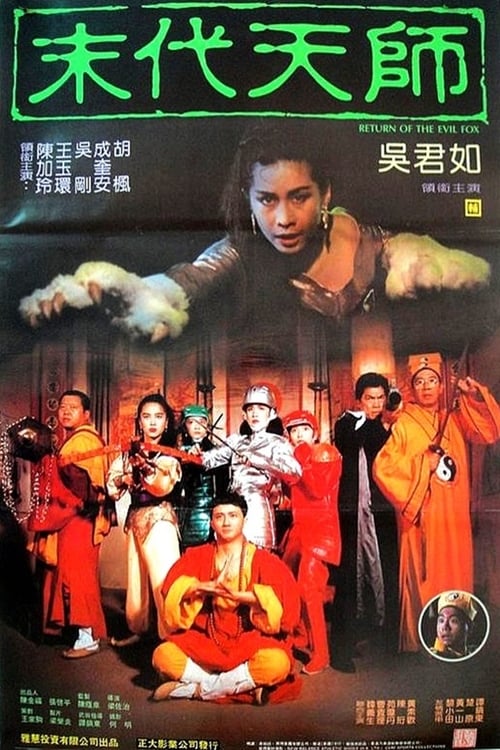
Return of the Evil Fox
1991
No user ratings available yet
Representation score: 5.5 out of 10
Representation Score
Limited
1991
Director
Nam Ki-nam
Runtime
85 minutes
Average Rating
No ratings yetNew Showbiz Analysis
The film is a traditional genre piece that leans heavily on established mythological clichés. While the use of animal transformations provides character depth, the narrative follows conventional storytelling patterns rather than challenging them. The representation is largely defined by the era's standards, focusing on straight-centered domesticity and regional folklore. The story prioritizes a struggle between good and evil within a spiritual framework rather than exploring diverse social identities. Ultimately, the film functions as a culturally specific fantasy that reinforces traditional structures through its character roles and moral hierarchy.
Category Breakdown
The film follows a strictly straight-centered structure. The plot centers on Young-gu and his domestic arrangement with a transformed raccoon, offering no representation of non-straight identities.
Female identity is tied to a transformation cliché where a raccoon becomes a 'pretty young woman.' While she serves a domestic role as a bride, she maintains spiritual independence.
The story operates within a culturally homogeneous South Korean framework. It relies on local folklore and non-human metaphors rather than a multi-ethnic cast or Western archetypes.
The narrative utilizes a celestial hierarchy to frame morality. Characters face consequences for sins, rooting the conflict in traditional spiritual structures and folkloric storytelling.
No characters are depicted navigating physical or neurodivergent disabilities. Physical injuries serve only as plot catalysts for supernatural transformations.
Present on Screen
Limited or Absent
Official Synopsis
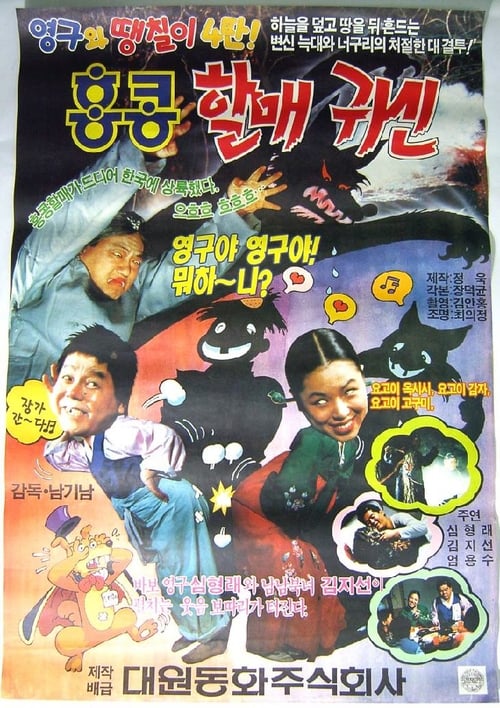
A fox and a raccoon are thrown out of heaven for their sins and land in Young-gu's village. The fox and the raccoon fight viciously all night because only one of them can return to heaven alive. But the raccoon is outwitted by the fox and is injured severely. The raccoon, now transformed into a pretty young woman, is found unconscious in front of Young-gu's house. Young-gu's parents take her in as Young-gu's bride. But the fox has turned into a Hong Kong Granny Ghost and is killing children to drink their blood and eating their livers. Young-gu and the raccoon team up to fight the fox and the fox finally is killed when a lightening strikes its tail s only weak point. The raccoon bids farewell to Young-gu and ascends to heaven on a rope.
1991
1991
1989
1990
2006
1985
1994
1991
No reviews yet. Be the first to share your thoughts on this movie!
Use the rating form above to leave a star rating and optional review.