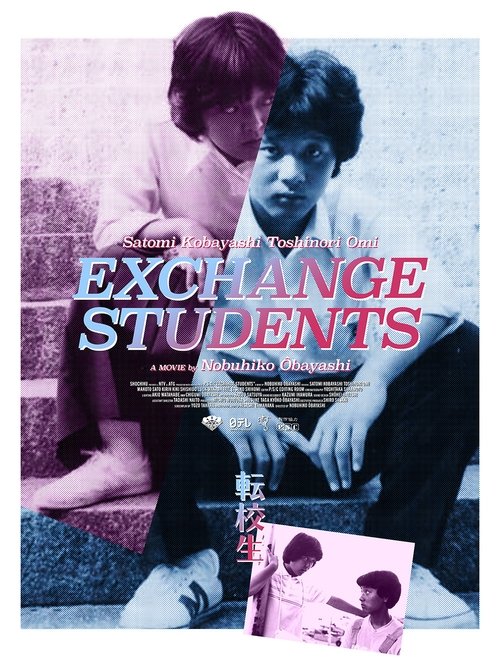
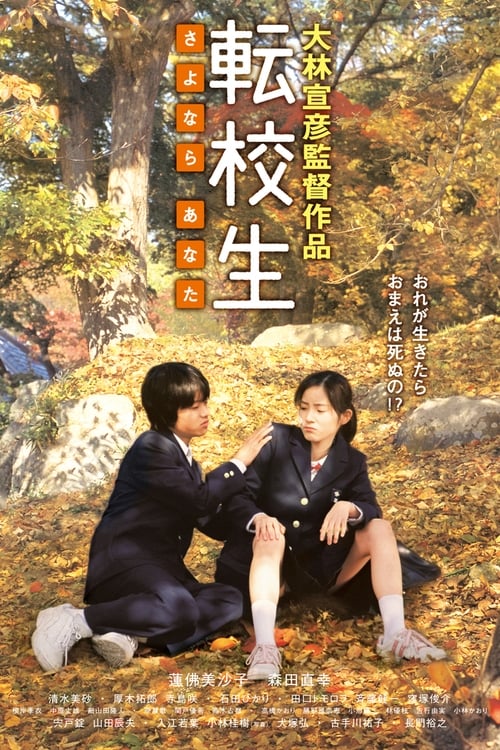
I Are You, You Am Me
1982
No user ratings available yet
Representation score: 5.3 out of 10
Representation Score
Limited
2007
Director
Nobuhiko Obayashi
Runtime
120 minutes
Average Rating
No ratings yetNew Showbiz Analysis
Nobuhiko Obayashi’s avant-garde style suggests a potential for breaking conventions, yet the thematic content remains centered on sentimental storytelling. The film delves into personal transitions and emotional connections following a family divorce. The narrative structure follows traditional dramatic arcs, emphasizing romantic reunions and social hierarchies. It does not intentionally disrupt systemic social hierarchies or include diverse identities.
Category Breakdown
The story focuses on the relationships between childhood friends and their romantic reunions. There is no indication of non-straight or non-cisgender identities or same-sex intimacy.
The story centers on male characters dealing with emotional changes after a parental divorce. Female characters like Kazumi are present but seem to follow typical female character roles.
As a Japanese production, the film reflects a homogeneous population typical of its setting. It operates outside Western cultural dominance but does not include diverse casting.
The film explores themes of displacement and the breakdown of traditional family units. It functions as a personal drama rather than a critique of larger societal structures.
There is no mention of characters dealing with physical, neurodivergent, or mental health conditions within the available narrative details.
Present on Screen
Limited or Absent
Official Synopsis
After his parent's divorce, Kazuo Saito moves with his mother from Onomichi and must leave his girlfriend behind. At his new school, Kazuo is surprised to reunite with his childhood friend Kazumi.
1982
2011
1993

2004

1999
1988

1985

2003
No reviews yet. Be the first to share your thoughts on this movie!
Use the rating form above to leave a star rating and optional review.