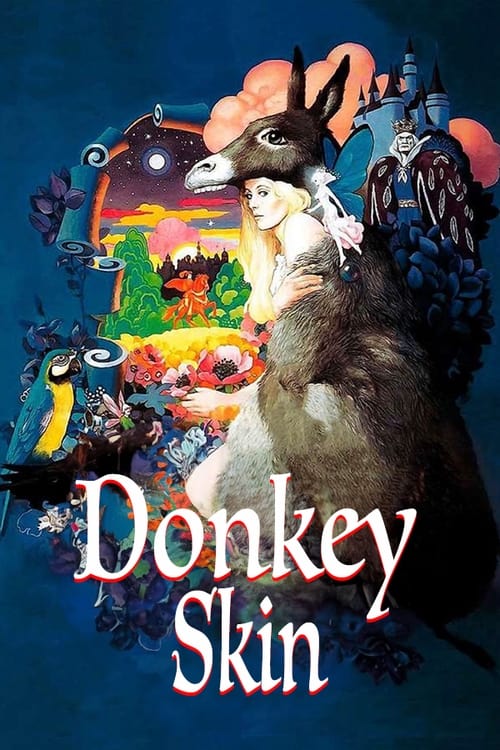
Donkey Skin
1970
No user ratings available yet
Representation score: 4.7 out of 10

Representation Score
Fair
2005
Director
Seijun Suzuki
Runtime
111 minutes
Average Rating
No ratings yetNew Showbiz Analysis
Princess Raccoon uses the fantastical medium of operetta to explore themes of identity and social displacement. By centering the story on a banished prince and a non-human princess, the film creates a narrative space that favors the outsider and questions traditional social hierarchies. The film relies heavily on metaphor and folklore to address 'otherness.' While it lacks explicit depictions of certain identities, its stylistic approach suggests an intentional subversion of standard genre clichés and social norms. Ultimately, the work functions as a critique of established power through a mythological lens, using non-human characters to represent the underrepresented.
Category Breakdown
The operetta format and Suzuki's stylistic history hint at potential for expressing flexible identities. However, there is no clear indication of non-traditional gender identities or same-sex relationships.
Tanukihime uses a disguise to navigate a human world, suggesting a subversion of traditional gender roles. Her position of mystery and ability to act implies a challenge to conventional gender norms.
The use of non-human Tanuki characters serves as a metaphor for underrepresented groups. Centering a non-human protagonist disrupts expectations of a homogeneous society.
The film utilizes folklore and fantasy to prioritize mythic truth over strict institutional morality. The theme of a banished prince critiques established power structures.
There is no specific evidence regarding the portrayal of physical or neurodivergent disabilities within the narrative.
Present on Screen
Limited or Absent
Official Synopsis
Amechiyo (the banished prince) falls in love with Tanukihime (a princess of raccoon dog disguised as human). This is an operetta which includes comedy, singing and dancing, and a love story.
No reviews yet. Be the first to share your thoughts on this movie!
Use the rating form above to leave a star rating and optional review.