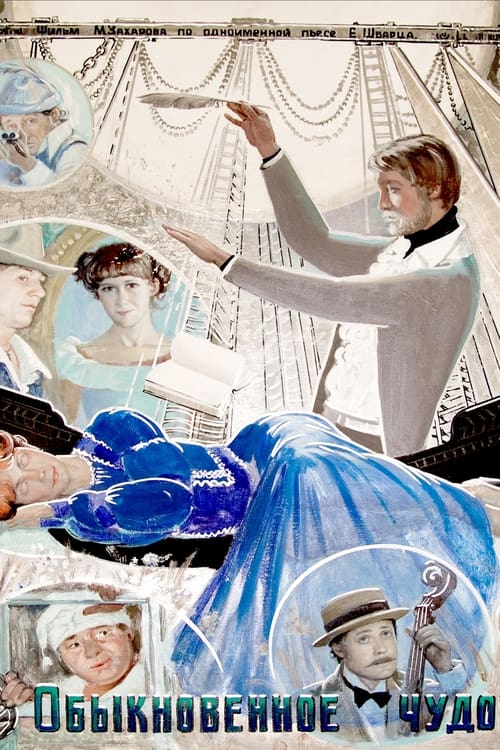
Ordinary Miracle
1978
No user ratings available yet
Representation score: 5.1 out of 10
Representation Score
Fair
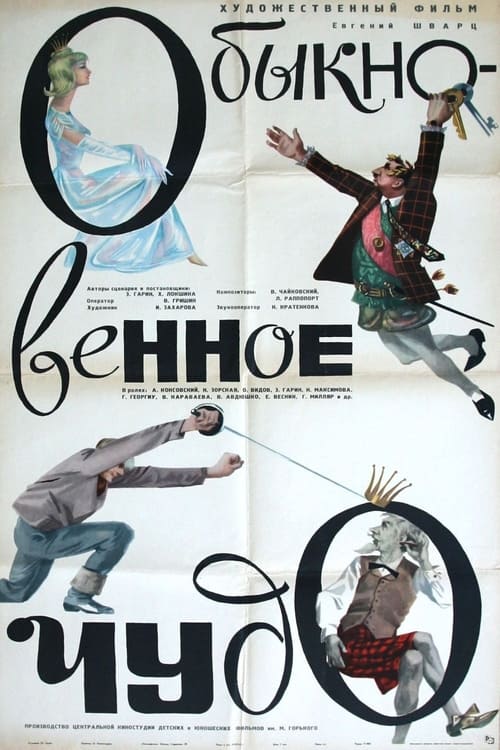
1964
Director
Khesya Lokshina, Erast Garin
Runtime
99 minutes
Average Rating
No ratings yetNew Showbiz Analysis
Ordinary Wonder is a philosophical romance that prioritizes allegorical storytelling over modern identity politics. It functions as a fairy-tale critique of social hierarchies and traditional power structures. While the film lacks diverse representation, it succeeds in providing ability to act to its female lead. This prevents the story from falling into the trap of purely passive gender roles. The production is limited by the era's casting norms, resulting in a lack of racial and ethnic variety. It remains a focused, traditional tale of magic and love.
Category Breakdown
The film follows a traditional heterosexual romantic arc between a transformed bear and a princess. There is no evidence of queer subtext or non-binary gender identities within the narrative.
The Princess subverts the 'damsel in distress' cliché by taking brave, active steps to find her beloved. This gives her a leading role in driving the story forward.
The production reflects the homogeneous casting norms typical of Soviet-era folkloric fantasy. There is no visible evidence of multi-ethnic casting or diverse representation.
The story uses a fantasy framework to critique institutional power and political ambition. It explores complex human nature and subjective morality, moving beyond simple moralism.
The available narrative details do not include any portrayals of visible or invisible disabilities.
Present on Screen
Limited or Absent
Official Synopsis
In a romantic and philosophical tale of magic and love, a mischievous Sorcerer turns a bear into a young man. Unhappy in his new state, the former bear, with the help of the magician and his beautiful wife, is looking for a princess to kiss in order for his wish to be granted. Certain that all princesses are a vain, spoiled lot, he approaches the first one he sees. But the princess herself is gentle, kind and beautiful, and she and the young man fall in love with each other at the first sight. Unable to bring her pain, he runs away without explaining. As the Princess takes brave actions to find her beloved, new characters enter the story, including the King's ambitious Prime Minister and a hunter looking for a bear fur to complete his collection. How will this complicated plot be resolved?
1978
1965
1971
1975
1970
1991

2002
1962
No reviews yet. Be the first to share your thoughts on this movie!
Use the rating form above to leave a star rating and optional review.