Identification Marks: None
1965
No user ratings available yet
Diversity score: 2.7 out of 10
1965
Director
Jerzy Skolimowski
Runtime
77 minutes
Average Rating
No ratings yetSynopsis
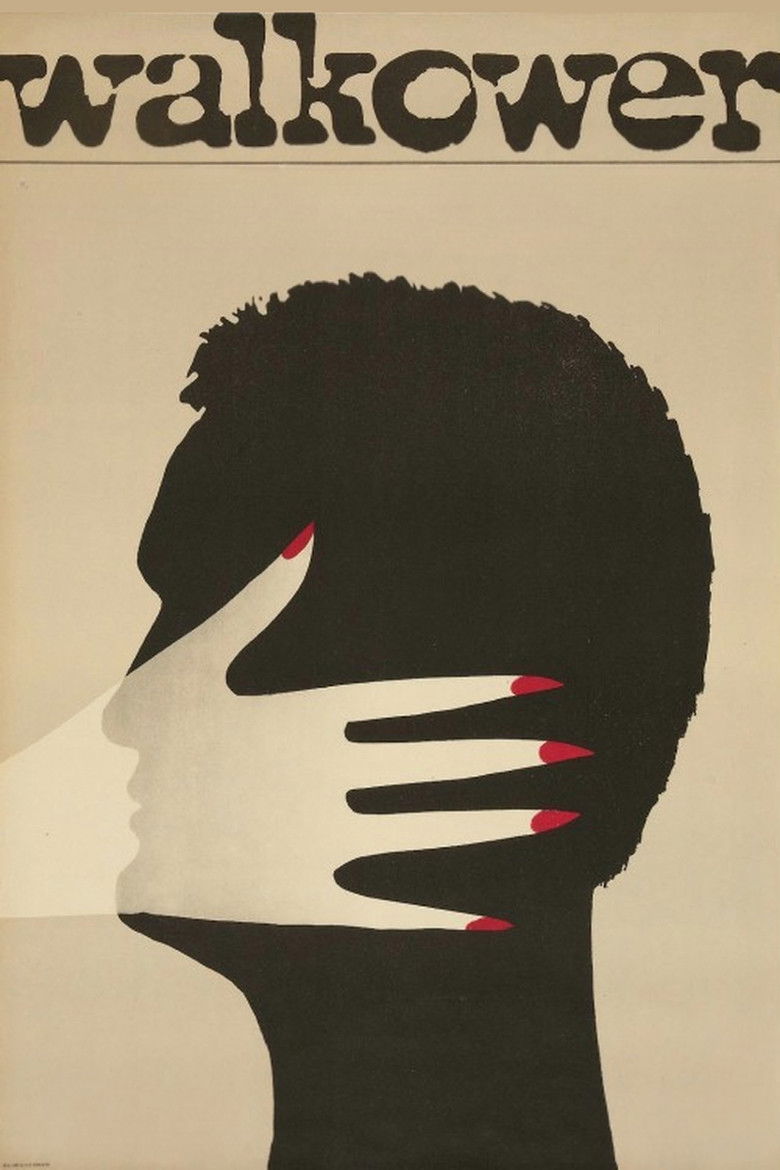
An extraordinarily stylized tale of a prizefighter who ducks a fight to romance a beautiful blonde.
Overall Score
Fair
Category Breakdown
LGBTQ+ Representation
The film focuses on the protagonist's aimless trajectory and romantic pursuits. There is no explicit evidence of non-cisnormative identities or narratives critiquing heteronormativity.
Gender Representation
The protagonist subverts masculine tropes by choosing romance over physical aggression. However, female characters largely function as catalysts for his shifts rather than possessing independent agency.
Racial & Ethnic Diversity
As a localized Polish production, the film reflects the demographic homogeneity of its era. The cast is predominantly ethnically homogeneous with no engagement with intersectional racial dynamics.
Religious & Cultural Diversity
The narrative prioritizes existentialist themes and subjective morality over institutional values. It subtly challenges social structures by emphasizing the disconnect between the individual and the urban landscape.
Disability Representation
There is no significant evidence of characters with visible or invisible disabilities being utilized as central narrative drivers or being depicted with agency.
Strengths
Areas for Improvement
AI Analysis
Walkover is a stylistic triumph of the Polish New Wave, using a fragmented narrative to explore existential alienation. It succeeds in subverting traditional masculine archetypes by replacing goal-oriented aggression with a sense of aimless passivity. However, the film's impact on intersectional representation is limited. Its focus on a specific historical and geographic context results in a lack of racial and ethnic diversity. While the film challenges social hierarchies through its protagonist's relativistic view of purpose, it remains constrained by the conventional demographic bounds of 1960s European cinema.
1965

1966
1975
1990
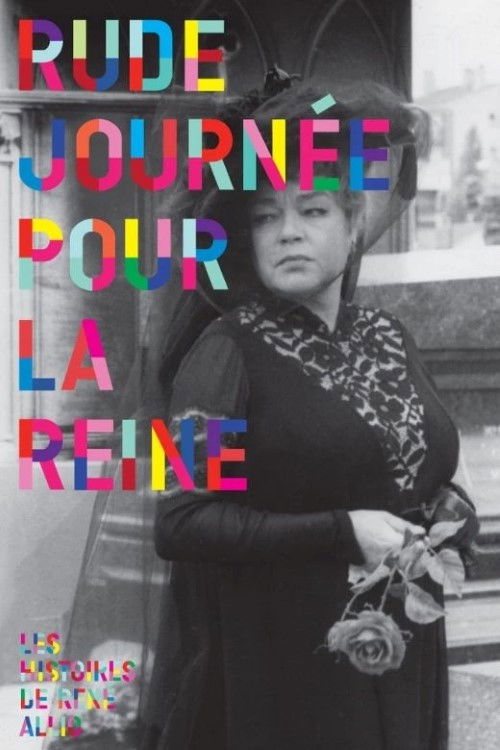
1973
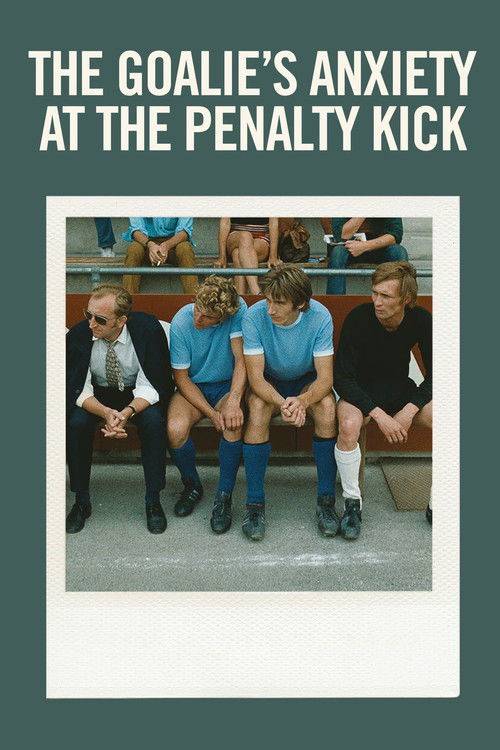
1975

1969
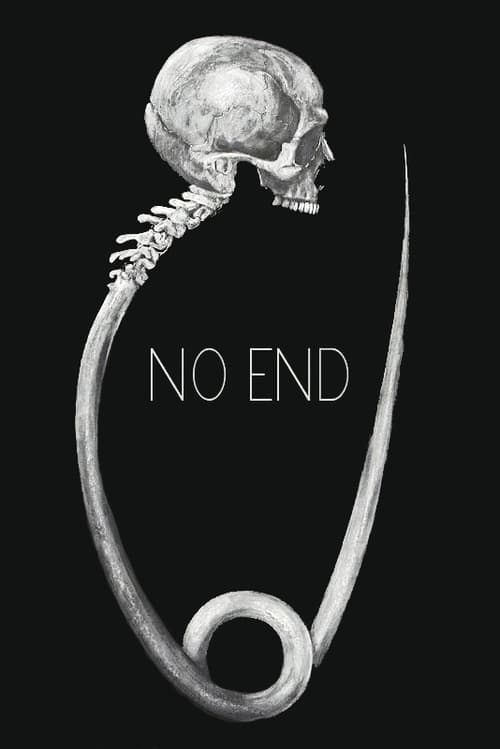
1985
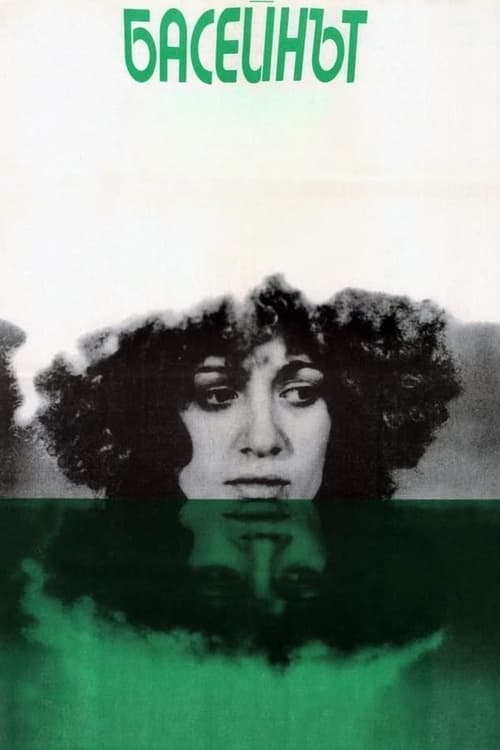
1977
2008
1972
1954
No reviews yet. Be the first to share your thoughts on this movie!
Use the rating form above to leave a star rating and optional review.