
I Am a King
1966
No user ratings available yet
Representation score: 2.2 out of 10
Representation Score
Fair
1954
Not RatedDirector
Marcel Carné
Runtime
106 minutes
Average Rating
No ratings yetNew Showbiz Analysis
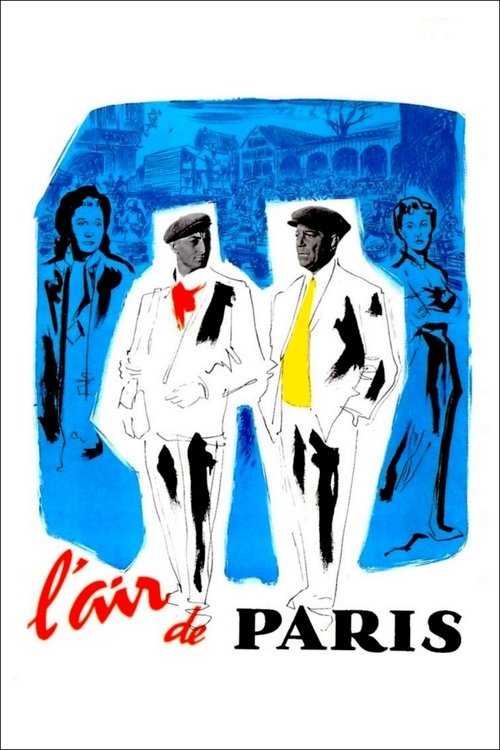
Air of Paris is a period-accurate reflection of 1950s European social constraints. It utilizes the classical clichés of the fallen hero and the pursuit of lost glory within a localized setting. While Marcel Carné’s direction provides atmospheric depth to underrepresented social classes, the film does not disrupt traditional hierarchies. The narrative architecture is built around a specific socio-economic milieu that lacks multi-layered complexity. It functions as a traditional dramatic work rather than a progressive exploration of identity. Ultimately, the film remains rooted in the demographic norms of its era, focusing on a homogeneous cast and a male-centric power structure.
Category Breakdown
The film follows the traditional straight-centered social structures of 1950s French cinema. There are no queer narratives or non-cisgender identities represented.
The story focuses on a male-dominated boxing gym and its former champion. While actresses like Arletty play significant roles, the structural ability to act remains with the male protagonist.
Set within a specific Parisian boxing subculture, the film reflects a homogeneous Western European demographic. It lacks intentional multi-ethnic or multi-layered casting.
The film explores working-class grit and unfulfilled ambition through Poetic Realism. It stays within the traditional mid-century dramatic morality framework.
There is no specific evidence of neurodivergence or physical disabilities. However, the film may use physical trauma as a cliché common to boxing dramas.
Present on Screen
Limited or Absent
Official Synopsis
Victor Le Garrec, a former boxer, runs a gym in Paris while dreaming of finding an aspiring champion who will reach the goals he was never able to achieve.
1966

1963

1946
1947

1957

1956

1987

2004
No reviews yet. Be the first to share your thoughts on this movie!
Use the rating form above to leave a star rating and optional review.