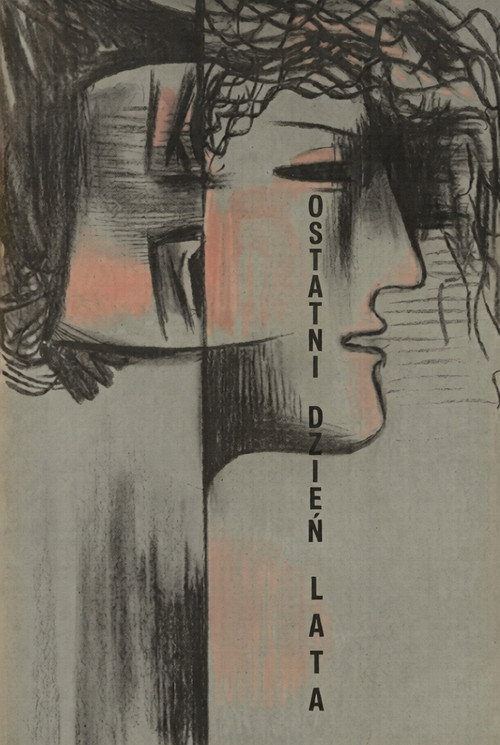
The Last Day of Summer
1958
No user ratings available yet
Representation score: 4.5 out of 10
Representation Score
Good
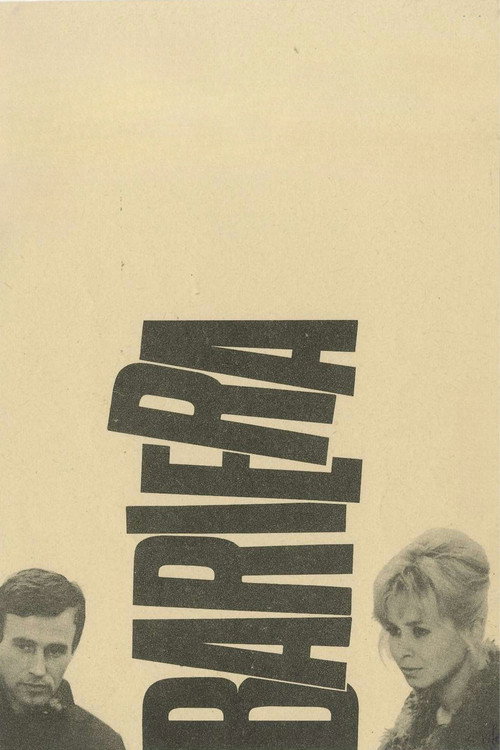
1966
Director
Jerzy Skolimowski
Runtime
77 minutes
Average Rating
No ratings yetNew Showbiz Analysis
Jerzy Skolimowski’s *Barrier* is a surrealist meditation that prioritizes philosophical inquiry over demographic representation. Set in the context of 1966 Poland, the film critiques the rigid social and political structures of the time, using a fragmented aesthetic to explore the tension between the individual and the state. While the film lacks racial and LGBTQ+ visibility, it successfully deconstructs traditional gender roles and explores the fragmented nature of human consciousness. Its strength lies in its cultural subversion, challenging the perceived truths of a regulated reality through abstract storytelling.
Category Breakdown
The film does not explicitly represent LGBTQ+ identities, which can be attributed to the social norms of 1960s Communist Poland. However, it explores themes of existential alienation and identity fluidity through subtle hints and ambiguities.
Masculinity is portrayed through vulnerability and existential questioning rather than traditional leadership roles. Women play significant roles beyond domestic duties, often serving as catalysts for the protagonist's psychological development.
The film features a homogeneous cast and setting, reflecting the demographics of the Eastern Bloc in 1966. The narrative emphasizes class and psychological issues rather than racial or ethnic diversity.
The film excels in critiquing rigid institutional systems. It uses an anti-authoritarian perspective to depict the struggle of individuals against the collective state, highlighting the tension between personal freedom and societal control.
The film explores neurodivergence and mental instability through a surreal, dream-like structure. These psychological conditions are central to the narrative, presented as lived experiences rather than mere plot devices.
Present on Screen
Limited or Absent
Official Synopsis
A dream-like meditation on post-industrial life in Communist Poland.
1958
1974
1966
1985
1965
1958

1971

1990
No reviews yet. Be the first to share your thoughts on this movie!
Use the rating form above to leave a star rating and optional review.