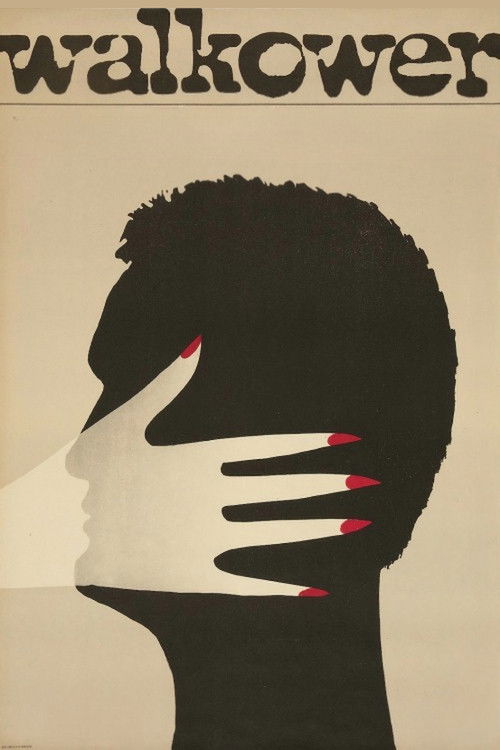
Walkover
1965
No user ratings available yet
Diversity score: 4.5 out of 10

1965
Director
Jerzy Skolimowski
Runtime
71 minutes
Average Rating
No ratings yetSynopsis
The footloose ennui of Poland’s postwar generation is captured to perfection in this jazzy chronicle of a draft-dodger’s final day of freedom. A slacker before there was a word for it, Andrzej (played by Skolimowski himself) drifts through a series of open-ended encounters with women following a wake-up argument with his pouting wife, and a long-delayed military physical (the film’s title derives from one of the questions). Skolimowski hoarded four years’ worth of the annual film footage allotment from his Lódz film school in order to create this first feature marked by compositional bravado and a trademark air of the absurd. -Barbara Scharres, Gene Siskel Film Center
Overall Score
Limited
Category Breakdown
LGBTQ+ Representation
The film lacks explicit LGBTQ+ characters or narratives. Its exploration of alienation remains confined within a heteronormative social framework.
Gender Representation
The narrative is heavily centered on male existentialism. While it avoids romantic tropes, it does not actively subvert gender hierarchies or roles.
Racial & Ethnic Diversity
Set in Warsaw, the film depicts a homogeneous urban population. It offers no significant racial or ethnic diversity within its mid-century Polish setting.
Religious & Cultural Diversity
The film prioritizes subjective morality over religious mandates. It critiques institutional stability through a study of youthful aimlessness and identity fragmentation.
Disability Representation
There is no documented evidence regarding the portrayal of physical or neurodivergent disabilities in this work.
Strengths
Areas for Improvement
AI Analysis
Jerzy Skolimowski’s film is a quintessential piece of the Polish New Wave, prioritizing existential drift over traditional plot. It succeeds as a psychological study of post-war youth, using a fragmented structure to mirror the protagonist's internal isolation. However, the film is deeply localized. Its focus on a homogeneous Polish demographic and a male-centric perspective limits its intersectional breadth. The narrative explores alienation through a narrow lens that lacks diverse social or ethnic representation. Ultimately, while the film challenges storytelling conventions, it remains rooted in the specific demographic and social norms of its era, resulting in a low score by modern diversity standards.
1965

1979
1967
1965
2013
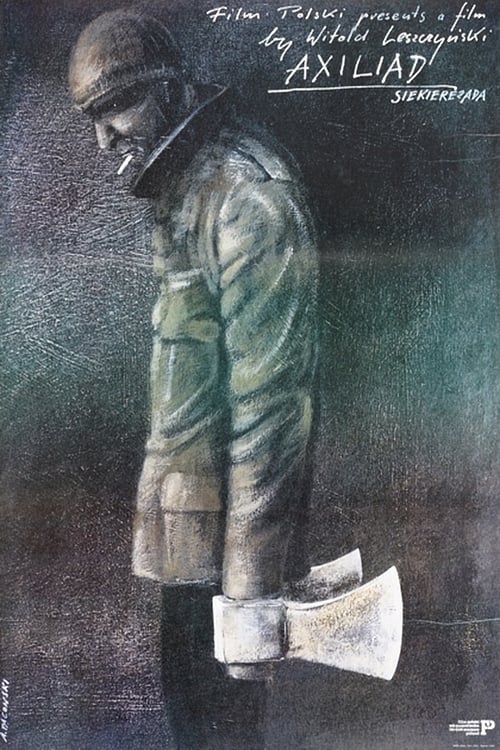
1986
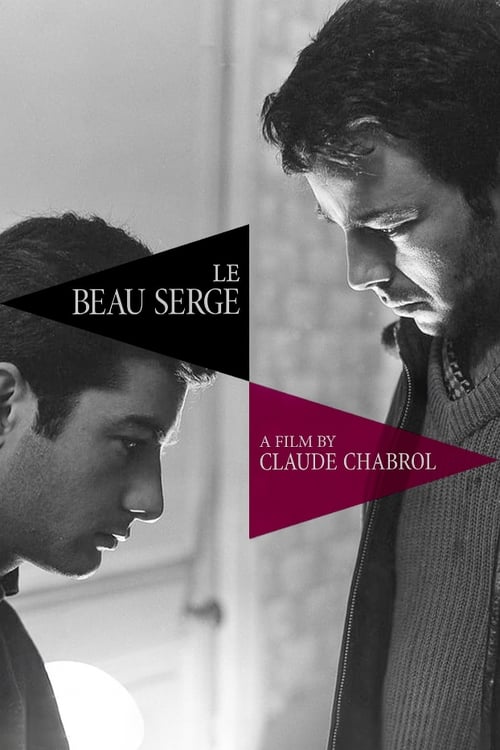
1959
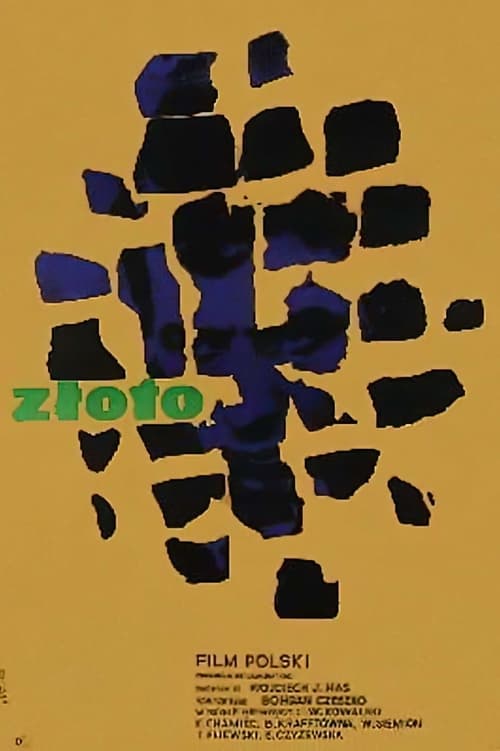
1962
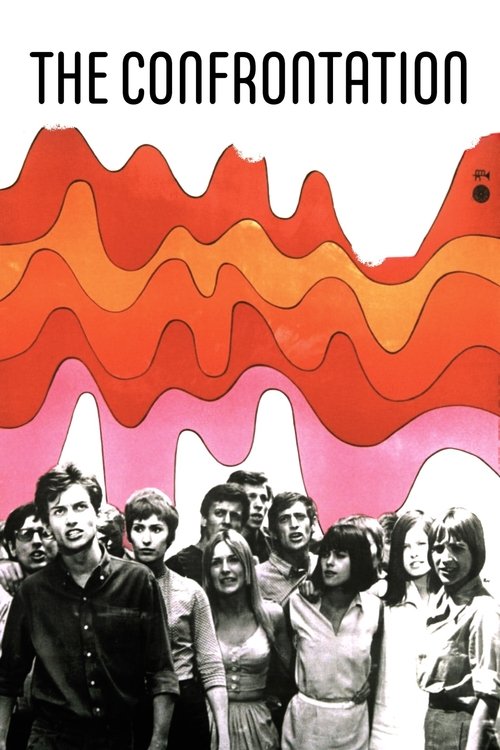
1969

1969
1965
1966
No reviews yet. Be the first to share your thoughts on this movie!
Use the rating form above to leave a star rating and optional review.