
Hanagatami
2017
No user ratings available yet
Representation score: 7.0 out of 10
Representation Score
Good
2012
Director
Nobuhiko Obayashi
Runtime
160 minutes
Average Rating
No ratings yetNew Showbiz Analysis
Nobuhiko Obayashi’s work avoids traditional demographic checklists, instead finding depth through historical and emotional complexity. By centering a female protagonist, the film reconstructs history, moving away from standard military clichés to explore the ripples of disaster. However, the film remains culturally homogeneous, focusing strictly on Japanese regionality. This specificity provides depth but limits broader multi-ethnic diversity. Additionally, the film lacks clear representation of LGBTQ+ identities or physical disabilities. Ultimately, the film's strength lies in its exploration of trauma and the subjective human experience. It challenges historical hierarchies by focusing on how individuals process systemic violence and natural catastrophes.
Category Breakdown
The film doesn't explicitly show queer identities or specific LGBTQ+ character arcs. However, it explores complex interpersonal dynamics through the protagonist's relationship with an enigmatic student.
A female journalist serves as the central protagonist and primary driver of the story. This shifts the focus from traditional masculine-centric war narratives to the sociological and emotional aftermath of conflict.
The film features a culturally homogeneous cast focused on Japanese regional history. While it lacks multi-ethnic diversity, it offers deep, localized specificity about the Nagaoka and Tōhoku regions.
The film presents a nuanced view of historical narratives by contrasting state-level warfare with natural disasters. It emphasizes individual experiences and subjective memories over a single, state-sanctioned historical record.
Physical disabilities are not explicitly shown, but the film addresses the psychological impacts of catastrophic trauma. It examines the collective mental health struggles and PTSD following major disasters.
Present on Screen
Limited or Absent
Official Synopsis
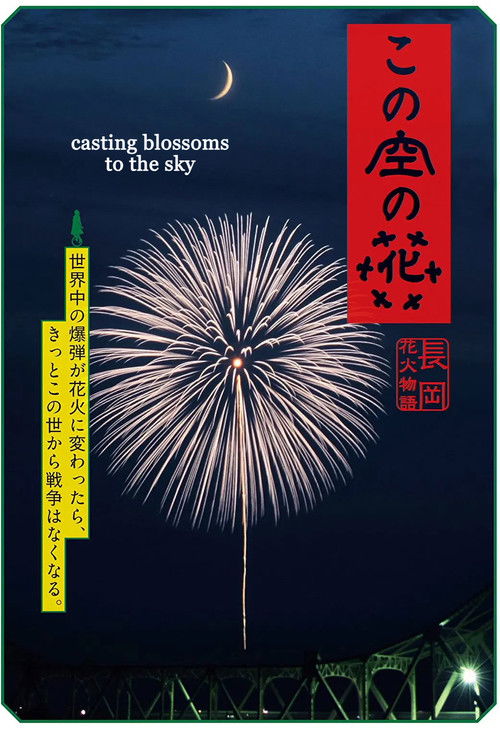
In the aftermath of the 2011 Tōhoku earthquake and tsunami, a journalist arrives in Nagaoka, a city decimated during a WWII air raid and by the 2004 Chūetsu earthquakes, to report on the disaster; there, she learns about the experiences of its inhabitants and stumbles upon a stage play written by an enigmatic student of her ex-boyfriend.
2017
1991

1997
1983

2011

1999

2025
2004
No reviews yet. Be the first to share your thoughts on this movie!
Use the rating form above to leave a star rating and optional review.