Islands
2017
No user ratings available yet
Representation score: 4.6 out of 10

Representation Score
Fair
1975
NRDirector
Walerian Borowczyk
Runtime
98 minutes
Average Rating
No ratings yetNew Showbiz Analysis
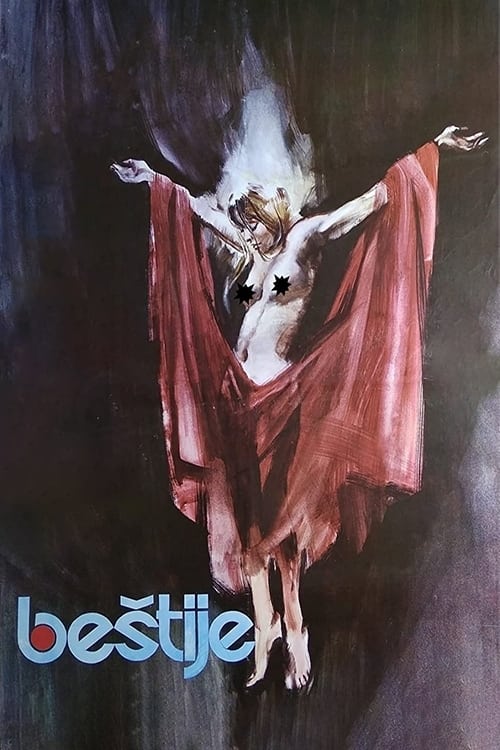
The Beast serves as a surrealist critique of traditional storytelling, emphasizing sensory experience and bodily autonomy. It successfully challenges traditional gender hierarchies by placing the female protagonist at the center of the film's evolution rather than making her a passive figure. However, the film's impact is limited by a lack of explicit LGBTQ+ representation and minimal racial diversity. Its focus on a localized European setting restricts the breadth of its social commentary. Ultimately, the work excels at deconstructing social institutions through its fragmented structure, while remaining narrow in its demographic scope.
Category Breakdown
The film doesn't explicitly depict non-binary or LGBTQ+ identities. While sexuality is important, it doesn't challenge the idea that everyone is straight or cisgender.
The film centers on the female experience, giving women a strong role in driving the story. By focusing on female desire and transformation, it disrupts traditional gender roles and shifts the focus away from patriarchal structures.
The film is set in a localized European historical and fantastical context. There is no significant representation of non-white characters or diverse ethnicities.
Surrealism and dream logic are used to challenge traditional Western institutions. The narrative favors personal, dream-based truths over rigid institutional morality, questioning the strictness of societal norms.
The film explores themes of transformation and the grotesque. It's unclear if these elements are meant to represent disability or if they are simply part of the surreal aesthetic.
Present on Screen
Limited or Absent
Official Synopsis
The head of a failing French family thinks that fate has smiled down on him when the daughter of a wealthy man agrees to be married to his son. The daughter and her aunt then travel out to the French countryside to meet with the family, unaware that a mysterious 'beast' is stalking the vicinity.
2017
1942
1979

1969

1917
1970
1977
1984
No reviews yet. Be the first to share your thoughts on this movie!
Use the rating form above to leave a star rating and optional review.