Fool's Fire
1992
No user ratings available yet
Representation score: 8.0 out of 10
Representation Score
Limited
1979
Director
Leslie Megahey
Runtime
70 minutes
Average Rating
No ratings yetNew Showbiz Analysis
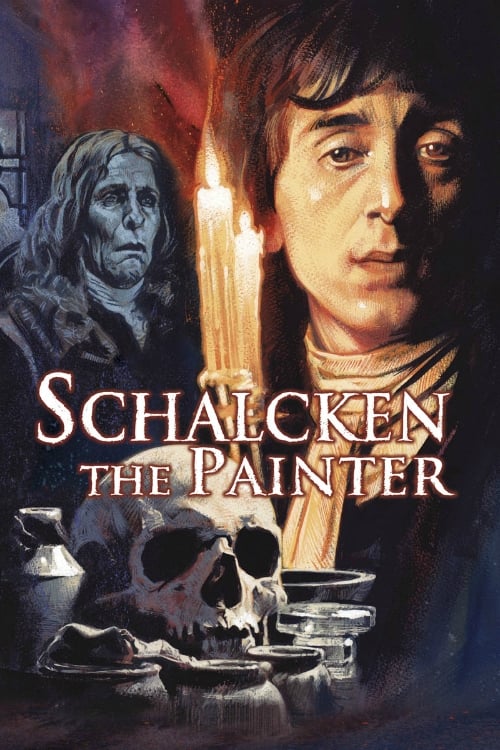
Schalcken the Painter is a sophisticated period drama that emphasizes psychological depth and visual richness. It avoids traditional heroic clichés, focusing instead on how institutional power shapes individuals' lives. The film's primary strength lies in its critique of systemic authority. By highlighting the conflict between personal truth and religious doctrine, it provides a nuanced perspective on historical Western institutions. However, the film is limited by its historical setting. It lacks modern demographic diversity and adheres to a narrow focus on heterosexual relationships, reflecting the homogeneity of the 16th century.
Category Breakdown
The film centers on the heterosexual relationship dynamics between the protagonist and his female subjects. It does not include any representations of LGBTQ+ identities or non-binary gender roles.
The story explores the limitations imposed by a patriarchal society. It highlights the psychological tension between female desire and societal restrictions.
Set in a 16th-century European context, the film reflects the homogeneous demographics of the time. The cast lacks modern diversity or actors from different racial backgrounds.
The film critiques the restrictive influence of religious institutions. It portrays the Church as a powerful entity that dictates morality rather than serving as a purely benevolent guide.
There are no prominent depictions of visible or invisible disabilities that play a central role in the narrative or character development.
Present on Screen
Limited or Absent
Official Synopsis
Can Schalcken save his love, Rose, from the clutches of a ghastly suitor before it is too late?
1992

1978
1979

1978

1992

1967

1970

2017
No reviews yet. Be the first to share your thoughts on this movie!
Use the rating form above to leave a star rating and optional review.