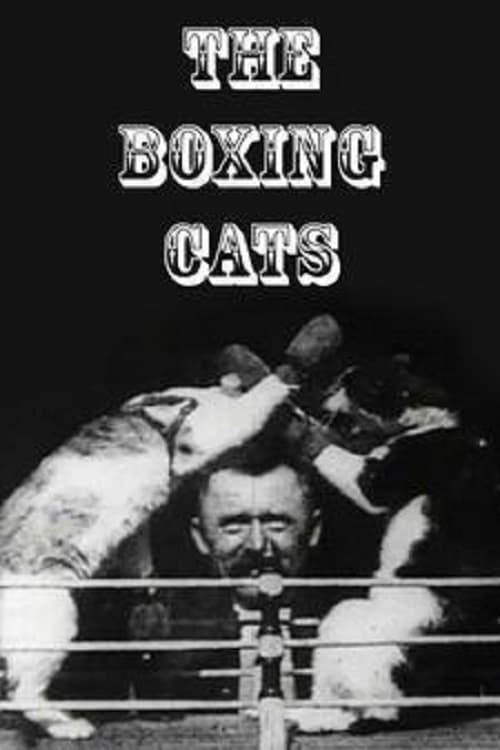
The Boxing Cats
1894
No user ratings available yet
Representation score: 0.0 out of 10
Representation Score
Minimal
1894
Not RatedDirector
William Heise, William K.L. Dickson
Runtime
1 minutes
Average Rating
No ratings yetNew Showbiz Analysis
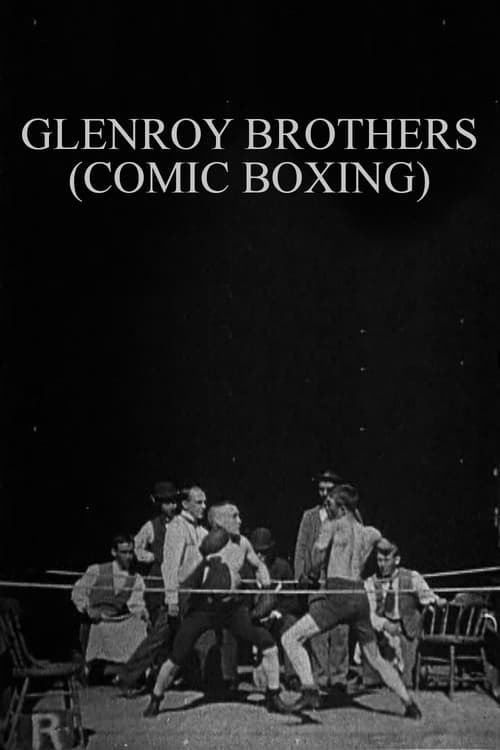
This 1894 short film serves as a historical document of early cinema and vaudeville, rather than a progressive representation. It captures a specific moment in entertainment history through a comedic boxing match. Since the work is a brief, archetypal performance, it does not offer storytelling that reflects multiple aspects of identity or narrative challenges. It primarily functions as a technical and cultural baseline of the era's comedic styles. Ultimately, the film's focus on traditional male archetypes and physical comedy results in a low diversity score, reflecting the era's standard entertainment norms.
Category Breakdown
The film does not include any LGBTQ+ characters or representations of non-straight relationships. The focus is on a comedic athletic performance.
The story revolves around a boxing match between two male athletes. It emphasizes a traditional male-dominated athletic environment without featuring female characters.
The vaudeville act highlights physical comedy between two typical male figures. There is no indication of a diverse cast or non-white performers.
As a historical piece, the film upholds the traditional social structures of its time. It uses common clichés like 'The Tramp' without addressing socio-political issues.
The film does not depict any characters with visible or invisible disabilities. The unique fighting style is used for comedy rather than representing disability.
Present on Screen
Limited or Absent
Official Synopsis
The Glenroy Brothers perform a portion of their vaudeville act, "The Comic View of Boxing: The Tramp & the Athlete", which depicts a boxer with a classic style trying to contend with an opponent who uses a very unorthodox approach.
1894
1895
1896
1947
1897
1894
1947
1894
No reviews yet. Be the first to share your thoughts on this movie!
Use the rating form above to leave a star rating and optional review.