A Dedicated Life
1994
No user ratings available yet
Representation score: 5.5 out of 10
Representation Score
Good
2020
Director
Keisuke Toyoshima
Runtime
108 minutes
Average Rating
No ratings yetNew Showbiz Analysis
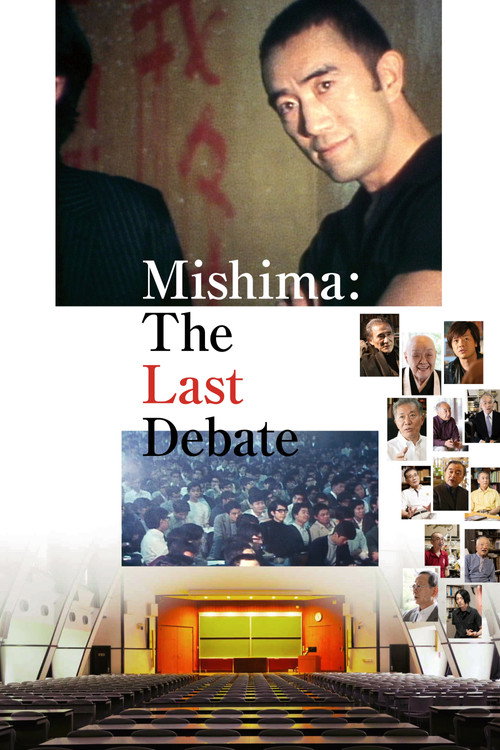
Mishima: The Last Debate serves as a specialized historical document rather than a modern narrative. Its diversity profile is dictated by the archival nature of the 1969 footage, capturing a specific moment of intense systemic friction. The film excels at documenting the deconstruction of traditional authority and the clash of radical ideologies. However, the historical context results in a lack of representation for women and LGBTQ+ identities. Ultimately, the work is a homogeneous study of Japanese domestic history, prioritizing political and philosophical combat over diverse identity representation.
Category Breakdown
The film focuses on the political and philosophical clash between Mishima and student activists. There is no explicit depiction of LGBTQ+ identities or narratives within the footage.
The debate is overwhelmingly dominated by male voices, reflecting the gendered landscape of 1960s Japanese political radicalism. The lack of women's control over the story limits the score.
This is a highly localized study of Japanese socio-political history. It presents a homogeneous demographic consistent with the 1969 Tokyo University setting.
The film highlights the breakdown of traditional social order through the confrontation between nationalism and radicalism. It explores themes of systemic critique and the rejection of the post-war status quo.
There is no significant evidence within the archival footage of participants defined by visible or invisible disabilities. The focus remains on the intellectual combatants.
Present on Screen
Limited or Absent
Official Synopsis
Restored footage of a famous debate between Yukio Mishima and students at Tokyo University in 1969, just one year before the author's death.
1994

1985
2006
1985

1965
2008
1999
2016
No reviews yet. Be the first to share your thoughts on this movie!
Use the rating form above to leave a star rating and optional review.