
Dolce
2000
No user ratings available yet
Representation score: 5.7 out of 10
Representation Score
Fair
2016
Not RatedDirector
Steven Okazaki
Runtime
81 minutes
Average Rating
No ratings yetNew Showbiz Analysis
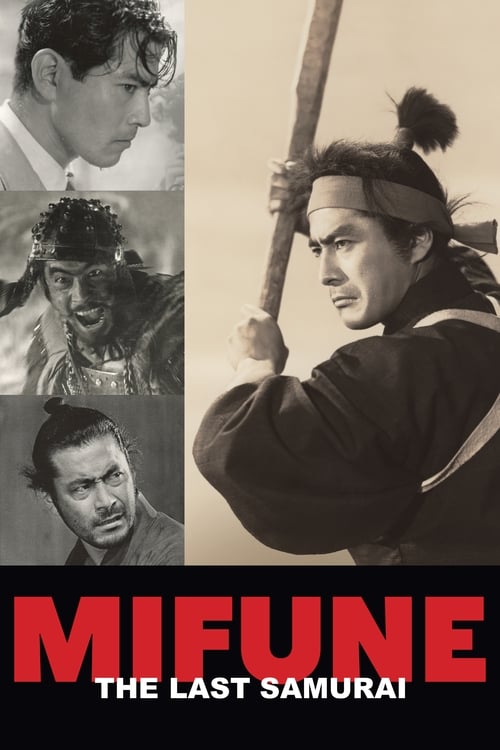
Mifune: The Last Samurai is a vital work of cultural preservation that successfully disrupts Western-centric historical narratives. By centering a Japanese icon, the film provides a deep, respectful exploration of cultural ability to act within the global cinematic landscape. While the documentary excels at elevating non-Western legacies, it does not actively engage with contemporary frameworks like queer theory or disability studies. The focus remains strictly on the biographical and cultural impact of the subject. Ultimately, the film's strength lies in its ability to move beyond a singular Western perspective, offering a complex look at how Japanese art shaped international perceptions.
Category Breakdown
The documentary focuses on a specific historical biography and lacks narratives centered on LGBTQ+ identities. It does not engage with non-assuming gender matches what was assigned at birth or non-straight relationships.
The film examines the construction of Japanese masculinity through Mifune’s iconic roles. It analyzes how he challenged or reinforced traditional masculine archetypes as a cinematic tool.
This film celebrates Japanese identity by centering a non-Western icon. It disrupts Anglo-centric film history by prioritizing the subject's cultural context and artistry.
The documentary explores the intersection of Japanese culture and Western reception. It provides a nuanced view of post-war Japan and its interaction with globalized media.
There is no prominent focus on visible or invisible disabilities as a central narrative driver in this biographical study.
Present on Screen
Limited or Absent
Official Synopsis
An account of the life and work of legendary Japanese actor Toshirō Mifune (1920-97), the most prominent actor of the Golden Age of Japanese cinema.
2000

1985
2015
2000

1995

2015
1970
1999
No reviews yet. Be the first to share your thoughts on this movie!
Use the rating form above to leave a star rating and optional review.