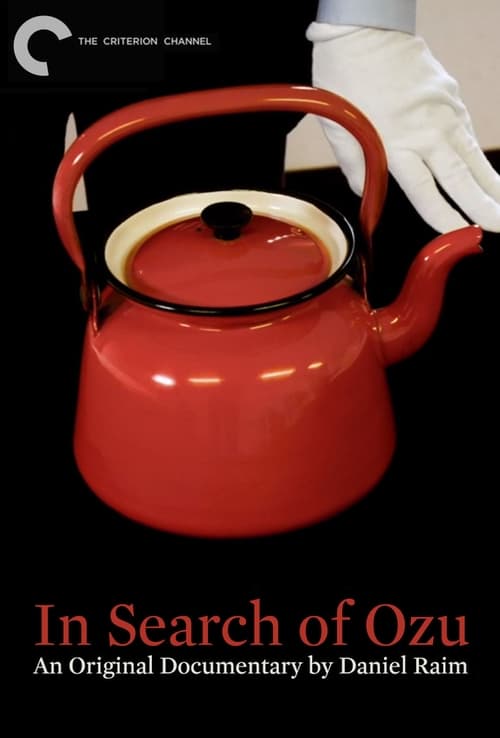
In Search of Ozu
2018
No user ratings available yet
Diversity score: 5.3 out of 10
No Poster Available
2008
TV-14Runtime
50 minutes
Average Rating
No ratings yetSynopsis
A 2008 documentary about Japanese author Haruki Murakami
Overall Score
Fair
Category Breakdown
LGBTQ+ Representation
The film explores themes of non-normative identities through the lens of Murakami's bibliography. It discusses unconventional human connections without centering LGBTQ+ identities as a primary narrative driver.
Gender Representation
The documentary's structure remains centered on a singular male figure. While it may touch upon gendered dynamics in the author's prose, it does not actively subvert traditional hierarchies.
Racial & Ethnic Diversity
The film highlights the agency of non-Western creators by bridging Japanese origins with global literary acclaim. It avoids Western-centric biographical tropes by focusing on specific cultural nuances.
Religious & Cultural Diversity
The narrative emphasizes surrealist morality and individual existentialism over traditional religious or nationalist structures. It frames the struggle against societal norms as a central human experience.
Disability Representation
There is no evident focus on visible or invisible disabilities. No data suggests that neurodivergence or physical disability are central themes of this documentary.
Strengths
Areas for Improvement
AI Analysis
As a biographical documentary, the film is naturally limited by its focus on a single individual's creative process. It functions more as a cultural study than a character-driven narrative, which restricts its ability to showcase a wide range of intersectional identities. The film succeeds in providing a platform for Japanese literary perspectives, positioning a non-Western intellectual icon within the global canon. This provides a meaningful counter-narrative to standard Western-centric biographical styles. However, the singular focus on Murakami results in a neutral representation of gender and a lack of explicit LGBTQ+ centering. The documentary prioritizes the author's intellectual contributions over a diverse cast of characters.
2018
2020

2012
2005
2008
1984
2004
1994

2023
1985
1997
2013
No reviews yet. Be the first to share your thoughts on this movie!
Use the rating form above to leave a star rating and optional review.