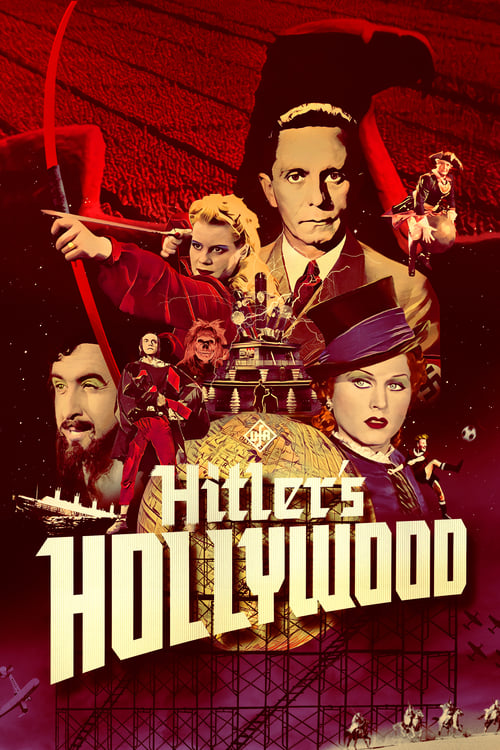
Hitler's Hollywood
2017
No user ratings available yet
Representation score: 6.1 out of 10
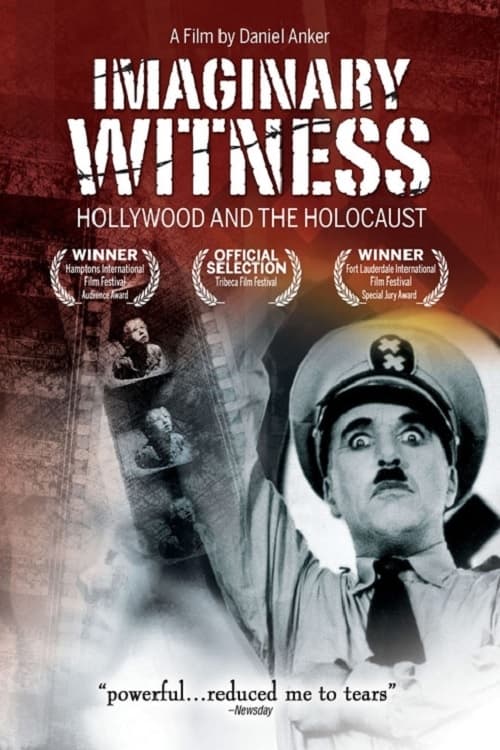
Representation Score
Fair
2004
Director
Daniel Anker
Runtime
92 minutes
Average Rating
No ratings yetNew Showbiz Analysis
The documentary effectively critiques the role of media in historical atrocities. It shifts away from celebratory Hollywood narratives to focus on systemic scrutiny and the perspectives of those targeted by racialized violence. While the film excels in cultural critique and addressing ethnic persecution, it lacks depth in specific identity-based representation. The focus remains on institutional history rather than individual character arcs for LGBTQ+ or gendered perspectives.
Category Breakdown
The film primarily explores the relationship between Hollywood and Nazi Germany during World War II. Although the Holocaust included the persecution of LGBTQ+ individuals, the movie focuses more on systemic issues rather than specific LGBTQ+ identity stories.
The documentary looks at power structures and institutional hierarchies within the film industry. However, it does not provide detailed information about the roles or presence of women in this historical context.
The narrative centers on the experiences of victims of systemic persecution. By focusing on the Holocaust, the film delves deeply into the realities of racialized violence and underrepresented communities.
The film provides a strong critique of Western institutional morality and capitalism. It questions the idea of Hollywood as a singular moral authority by examining its involvement in global human rights crises.
There is no indication within the film regarding the portrayal of physical or neurodivergent disabilities.
Present on Screen
Limited or Absent
Official Synopsis
Daniel Anker’s 90-minute documentary takes on over 60 years of a very complex subject: Hollywood’s complicated, often contradictory relationship with Nazi Germany and the Holocaust. The questions it raises go right the very nature of how film functions in our culture, and while hardly exhaustive, Anker’s film makes for a good, thought provoking starting point.
2017
1998

2017

1985
2022
2015

2017

2001
No reviews yet. Be the first to share your thoughts on this movie!
Use the rating form above to leave a star rating and optional review.