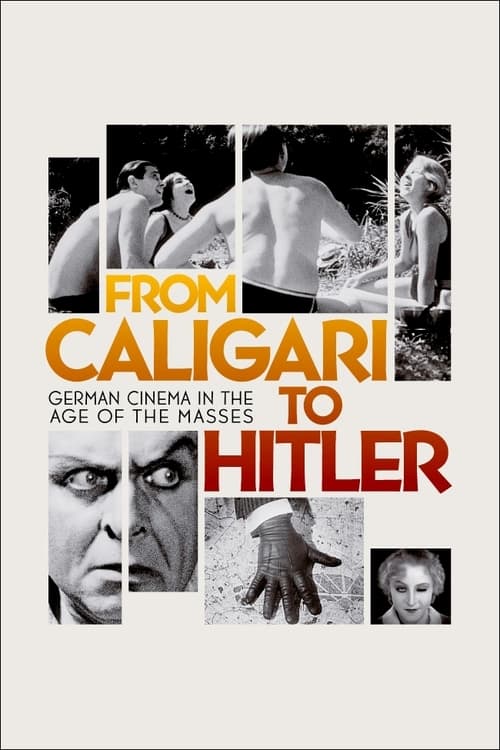
From Caligari to Hitler
2015
No user ratings available yet
Representation score: 4.7 out of 10
Representation Score
Good
2017
Not RatedDirector
Rüdiger Suchsland
Runtime
100 minutes
Average Rating
No ratings yetNew Showbiz Analysis
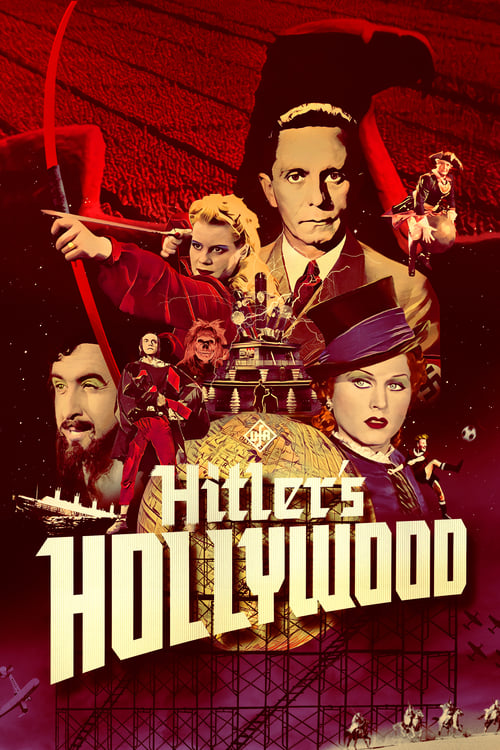
Hitler's Hollywood serves as a sophisticated deconstruction of media as a tool for dominance. It succeeds by exposing the mechanics of propaganda and the systemic displacement of diverse creative voices during the Nazi era. The film's primary strength is its intellectual disruption of traditional historical narratives. By documenting the exodus of Jewish talent to the American studio system, it highlights the ability to act of underrepresented creators. However, the documentary lacks character-driven ability to act. It functions more as a structural analysis of power than a showcase for individual diverse identities, resulting in lower scores for gender and LGBTQ+ representation.
Category Breakdown
The documentary focuses on geopolitical and racial shifts of the 1930s. It doesn't include specific on-screen LGBTQ+ narratives or character-driven queer identities, but it maintains a respectful historical perspective.
The film deconstructs how the Third Reich used feminine archetypes to reinforce traditional hierarchies. While it exposes these portrayals as manufactured tools of state control, it lacks strong female protagonists who take control of their stories.
The film provides significant depth regarding the displacement of Jewish filmmakers. It centers the ability to act of creators like Fritz Lang and Billy Wilder who shaped modern cinema through their exodus.
The documentary excels in critiquing how state-controlled media and commercial capitalism function as forces of influence. It prioritizes historical truth over nationalist or religious ideals.
There is no significant evidence regarding the portrayal of visible or invisible disabilities within the film's historical scope.
Present on Screen
Limited or Absent
Official Synopsis
Film journalist and critic Rüdiger Suchsland examines German cinema from 1933, when the Nazis came into power, until 1945, when the Third Reich collapsed. (A sequel to From Caligari to Hitler, 2015.)
2015

2012
2004
1977
1999
2017

2016
1948
No reviews yet. Be the first to share your thoughts on this movie!
Use the rating form above to leave a star rating and optional review.