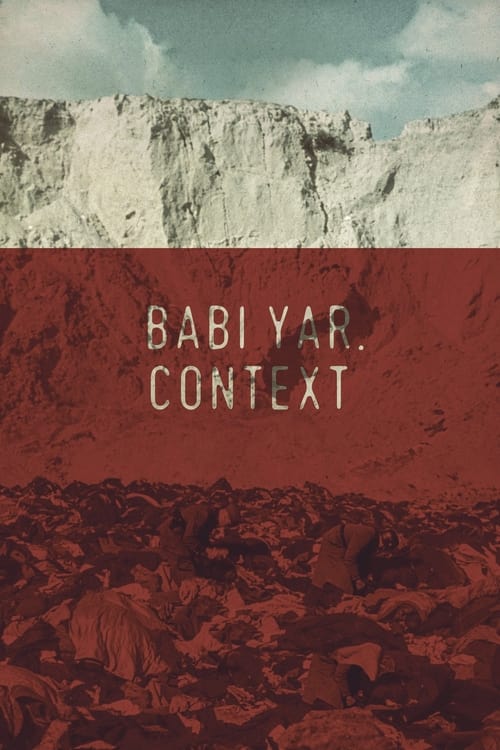
Babi Yar. Context
2021
No user ratings available yet
Representation score: 8.0 out of 10

Representation Score
Limited
2022
RDirector
Manfred Oldenburg
Runtime
58 minutes
Average Rating
No ratings yetNew Showbiz Analysis
Ordinary Men: The Forgotten Holocaust explores the psychological mechanisms behind systemic complicity in mass atrocities. It delves into how individuals become part of large-scale human rights violations through obedience to institutional structures. The film offers a critical perspective on the intersection of personal actions and state oppression. By focusing on the victims of racialized genocide, the documentary provides a significant historical insight. It also disrupts simplistic views of heroic statehood, offering a deeper understanding of the mechanics of historical atrocities.
Category Breakdown
The film focuses on the historical realities of the Holocaust and the Einsatzgruppen. It does not feature LGBTQ+ specific narratives or character arcs.
The film centers on male police battalions as key actors, reflecting historical military structures without challenging traditional gender roles.
It highlights the Jewish population as victims of genocide, emphasizing the specific ethnic trauma within the historical context.
The documentary critiques Western institutions and nationalism, examining how state-mandated obedience can lead to systemic corruption and evil.
There is no specific focus on neurodivergence or physical disabilities as central narrative drivers in this historical study.
Present on Screen
Limited or Absent
Official Synopsis
Six million Jews died during World War II, both in the extermination camps and murdered by the mobile commandos of the Einsatzgruppen and police battalions, whose members shot men, women and children, day after day, obediently, as if it were a normal job, a fact that is hardly known today. Who were these men and how could they commit such crimes?
2021
1998

2022

1985

2023

2015

2019

2022
No reviews yet. Be the first to share your thoughts on this movie!
Use the rating form above to leave a star rating and optional review.