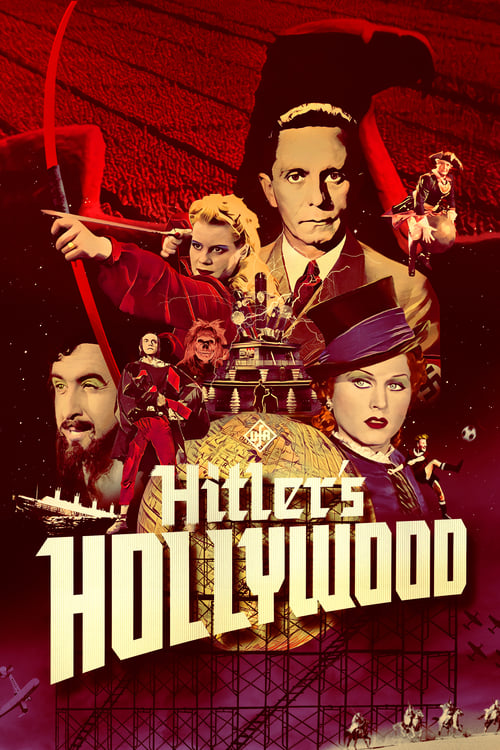
Hitler's Hollywood
2017
No user ratings available yet
Representation score: 6.1 out of 10
Representation Score
Fair
2015
Director
Rüdiger Suchsland
Runtime
114 minutes
Average Rating
No ratings yetNew Showbiz Analysis
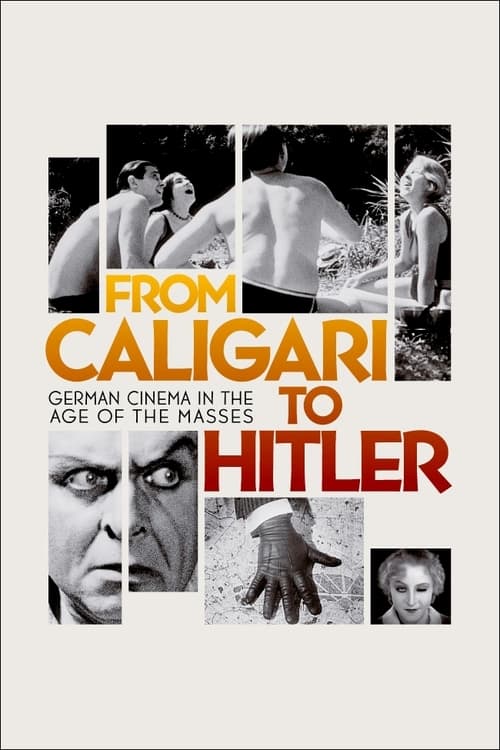
From Caligari to Hitler serves as a historical examination of German cinema's transition from the Weimar Republic to the Third Reich. Instead of focusing on individual characters, it provides a critical analysis of how media can influence social ability to act. The film successfully breaks down the psychological and aesthetic mechanisms used to replace progressive social values with oppressive structures. It highlights the shift from internationalist culture to ethno-nationalist homogeneity. However, the documentary's academic nature limits its impact on diversity. It observes the suppression of LGBTQ+ and diverse identities through a historical lens rather than providing active, contemporary representation.
Category Breakdown
The film looks at the significant visibility of LGBTQ+ identities during the Weimar era. However, it focuses more on observing these identities rather than making them central to the story.
The documentary explores the tension between progressive gender roles and traditional views. It specifically examines how the 'New Woman' challenged patriarchal structures before being dismantled by National Socialism.
The analysis tracks the transition from a cosmopolitan cinematic culture to a homogeneous, ethno-nationalist one. It documents the systemic exclusion and erasure of non-Aryan influences during the Nazi rise.
The narrative critiques the corruption of Western institutions and the descent into totalitarianism. It explores how cinema was weaponized to dismantle democratic norms and promote state-mandated morality.
There is insufficient evidence to assess the portrayal of disability as a narrative element within this historical documentary.
Present on Screen
Limited or Absent
Official Synopsis
Film journalist and critic Rüdiger Suchsland examines German cinema from 1919, when the Republic of Weimar is born, to 1933, when the Nazis come into power. (Followed by Hitler's Hollywood, 2017.)
2017
2012
2014
2022
1999
1977

2017
2004
No reviews yet. Be the first to share your thoughts on this movie!
Use the rating form above to leave a star rating and optional review.