
Nuremberg: The Nazis Facing their Crimes
2006
No user ratings available yet
Representation score: 0.6 out of 10
Representation Score
Fair
2015
Director
Ada Ushpiz
Runtime
128 minutes
Average Rating
No ratings yetNew Showbiz Analysis
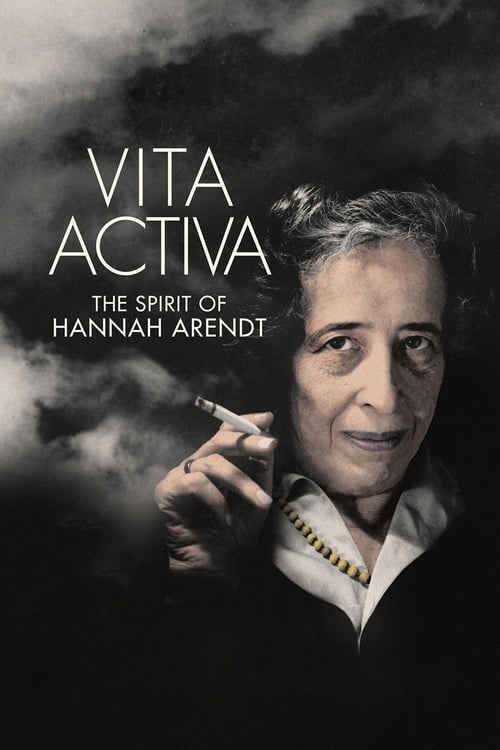
Vita Activa is a sophisticated biographical study that centers on the underrepresented perspective of Hannah Arendt within the male-dominated realm of political philosophy. By focusing on her life, the film interrogates systemic oppression and the structures of power. The documentary excels in highlighting female intellectual ability to act and the Jewish refugee experience. These elements are central to the subject's worldview rather than peripheral details. However, the film's narrow biographical scope results in a lack of representation for LGBTQ+ identities and disabilities. The focus remains on intellectual history and political theory.
Category Breakdown
The documentary does not include any explicit LGBTQ+ characters or narratives. The focus remains on the political and philosophical contributions of the subject.
The film portrays a strong female intellectual presence, positioning Hannah Arendt as a key figure in political thought. It challenges traditional gender roles by emphasizing her leadership and influence.
The documentary delves into the complexities of the Jewish experience and the impact of being a refugee during the Holocaust. It highlights ethnic identity through the lens of historical events.
The film examines moral relativism and critiques bureaucratic systems within Western states. It explores the tension between state authority and individual thought.
The documentary does not depict any visible or invisible disabilities. While it touches on mid-20th-century trauma, disability is not a central theme.
Present on Screen
Limited or Absent
Official Synopsis
The life and work of German political philosopher of Jewish descent Hannah Arendt (1906-75), who caused a stir when she coined a subversive concept, the banality of evil, in her 1963 book on the trial of Nazi war criminal Adolph Eichmann (1906-62), held in Israel in 1961, which she covered for the New Yorker magazine.
2006

1985

2018
1998

2017
2015

2018

2012
No reviews yet. Be the first to share your thoughts on this movie!
Use the rating form above to leave a star rating and optional review.