
Ziva Postec: The Editor Behind the Film Shoah
2018
No user ratings available yet
Representation score: 8.6 out of 10
Representation Score
Fair
2025
Director
Guillaume Ribot
Runtime
94 minutes
Average Rating
No ratings yetNew Showbiz Analysis
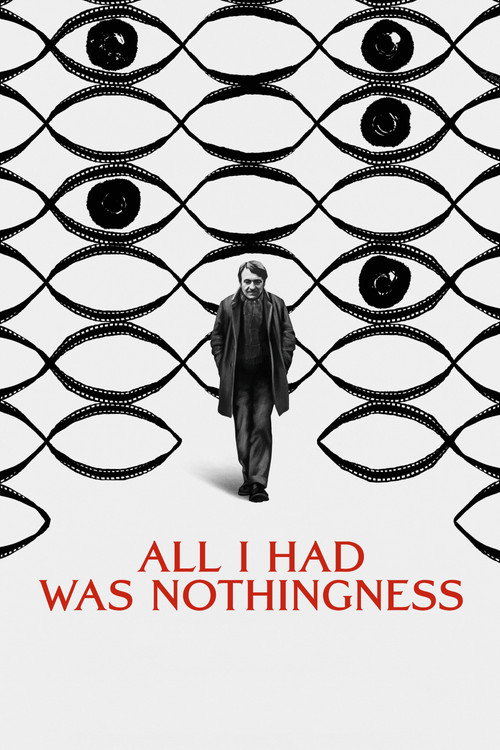
All I Had Was Nothingness serves as a meta-commentary on the act of witnessing. It moves beyond a standard biography to engage with the complexities of systemic trauma and historical erasure. The film's strength lies in its ability to disrupt traditional documentary clichés. By focusing on the 'void' and the 'untold,' it centers the voices of those impacted by historical power structures. While the narrative is anchored in a specific male intellectual lineage and his specific methodology, its commitment to uncovering suppressed histories aligns it with progressive modes of historical revisionism.
Category Breakdown
The documentary focuses on Claude Lanzmann's historical methodology and archival processes. There are no LGBTQ+ character arcs or thematic focuses present.
The film centers on Lanzmann, a male intellectual figure, which suggests a traditional male-driven discussion. However, the use of unseen footage allows victim voices to reclaim space.
The subject matter is inextricably linked to the Jewish experience and Holocaust genocide. It prioritizes the voices of those historically underrepresented by systemic oppression.
The film deconstructs historical silence and examines how institutional power facilitated mass erasure. It interrogates established narratives through a lens of systemic harm.
There is no specific evidence regarding the portrayal of physical or neurodivergent disabilities within this work.
Present on Screen
Limited or Absent
Official Synopsis
Forty years after the release of Claude Lanzmann’s monumental film Shoah, Guillaume Ribot reveals the director’s relentless pursuit to tell the untold, using only Lanzmann’s words and unseen footage from the masterpiece.
2018
1985
2022
1998
1956

2012

2024
2014
No reviews yet. Be the first to share your thoughts on this movie!
Use the rating form above to leave a star rating and optional review.