Close Relations
2016
No user ratings available yet
Representation score: 5.5 out of 10
Representation Score
Good
2017
Director
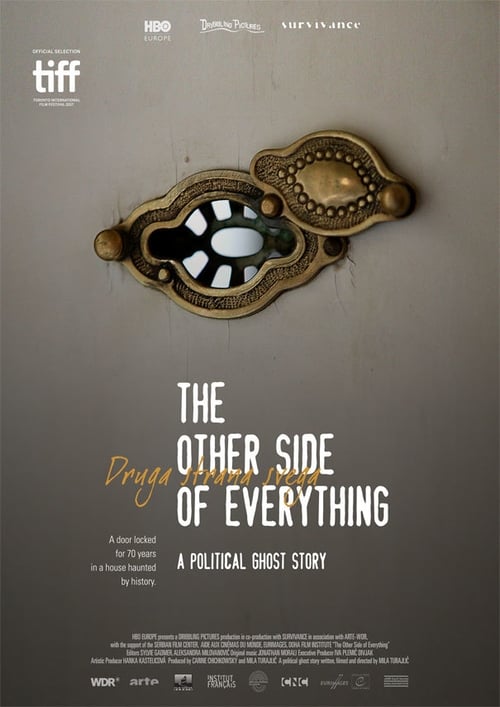
Mila Turajlić
Runtime
104 minutes
Average Rating
No ratings yetNew Showbiz Analysis
Mila Turajlić’s documentary is a sophisticated deconstruction of the shift from Yugoslav socialism to neoliberal capitalism. It blends intimate family history with extensive archival footage to challenge monolithic historical narratives through a personal lens. The film's strength lies in its cultural critique, offering a nuanced view of how market-driven economies affect social safety nets. It avoids the idea of inevitable Western progress, instead highlighting the disorientation caused by systemic political changes. However, the film's narrow historical and geographic focus limits its broader representation. The absence of LGBTQ+ narratives and racial diversity reflects its commitment to Balkan authenticity rather than a lack of inclusive intent.
Category Breakdown
The film does not explicitly depict queer narratives or non-straight identities. Instead, it focuses on the socio-political changes in the state and their impact on families and careers.
The story presents a balanced view by focusing on both a man and a woman. It emphasizes the intellectual journeys and ability to act of women, avoiding stereotypical gender roles within a changing political environment.
The subjects are primarily white or of Balkan descent, reflecting the film's specific historical and geographic context. Despite this, it provides rich ethnographic insights into its particular ethnic setting.
The film stands out in its critique of Western institutions and neoliberalism. It contrasts official state history with personal experiences, challenging the idea of inevitable progress towards Western economic models.
There are no prominent depictions of physical or neurodivergent disabilities. The concept of disability is used metaphorically to describe the fragmented memory of a changing nation.
Present on Screen
Limited or Absent
Official Synopsis
For Serbian filmmaker Mila Turajlic, a locked door in her mother's apartment in Belgrade provides the gateway to both her remarkable family history and her country's tumultuous political inheritance.
2016
2023

2019

2017
2014
2019

2017
2015
No reviews yet. Be the first to share your thoughts on this movie!
Use the rating form above to leave a star rating and optional review.