From the East
1993
No user ratings available yet
Representation score: 9.0 out of 10
Representation Score
Good
1994
Director
Laila Pakalnina
Runtime
16 minutes
Average Rating
No ratings yetNew Showbiz Analysis
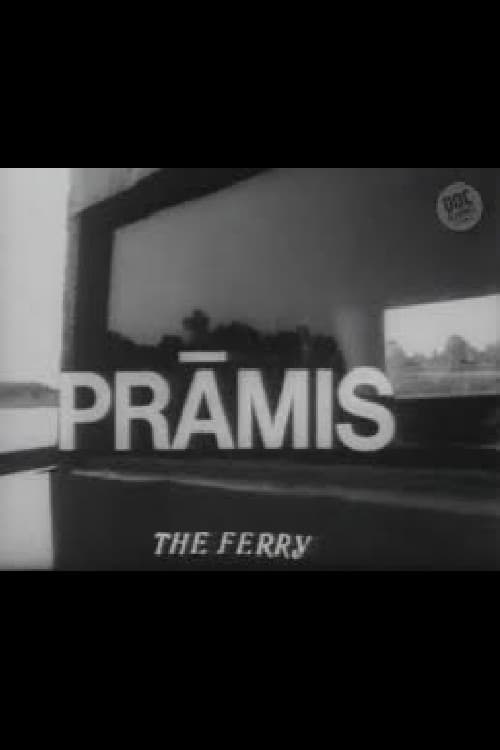
Laila Pakalniņa’s documentary serves as a meditative study of movement rather than a structured exploration of identity politics. By focusing on the mechanical and human rhythms of a ferry crossing, the film avoids traditional character arcs and scripted dialogue. While the film does not explicitly engage with social hierarchies, it provides a nuanced look at the human condition during geopolitical restructuring. It captures a specific historical moment where national identities were in flux due to the crumbling of the Soviet Union. Ultimately, the work prioritizes atmospheric, systemic observation over conventional storytelling. Its value lies in documenting the intersection of geography and human ability to act during a period of intense transition.
Category Breakdown
The film does not depict any LGBTQ+ identities or romantic relationships. Instead, it focuses on the rhythms of transit, which prevents the development of specific LGBTQ narratives.
Gender roles are not a primary focus of this documentary. While various individuals use the ferry, there is no evidence of challenging traditional gender hierarchies.
The film captures the intersection of Latvian and Belarusian identities during the Soviet Union's dissolution. It documents the movement of regional populations across shifting borders.
The work documents the emergence of Latvian independence and systemic changes. It uses the border as a metaphor for the instability of political structures through visual poetry.
There is no evidence that disability is a central theme. The film maintains a neutral observational stance regarding the physical capabilities of the passengers.
Present on Screen
Limited or Absent
Official Synopsis
The ferry crosses the river, transporting people from one shore to the other, from one country to another. It runs year round, never stopping. The footage was filmed on the Latvian-Belarussian border in the early 1990s - a time when the Soviet Union began to crumble and Latvia regained its independence.
1993
2016
1993
2015
1990
1989

2018

2023
No reviews yet. Be the first to share your thoughts on this movie!
Use the rating form above to leave a star rating and optional review.