T.V. of Tomorrow
1953
No user ratings available yet
Representation score: 1.9 out of 10
Representation Score
Minimal
1951
Director
Tex Avery
Runtime
6 minutes
Average Rating
No ratings yetNew Showbiz Analysis
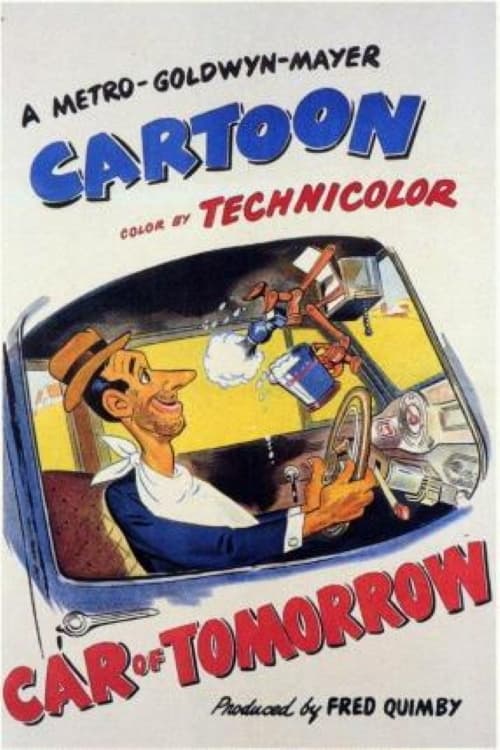
Tex Avery’s *Car of Tomorrow* is a mid-century speculative short that emphasizes technological marvels over social complexity. The animation highlights futuristic motoring accessories while staying within the social norms of 1951. The film lacks representation for LGBTQ+ identities, diverse racial groups, or individuals with disabilities. It focuses on industrial progress rather than exploring human identity. Ultimately, the work reflects a traditionalist perspective. It celebrates the optimism of capitalism and technological advancement without challenging social or cultural norms.
Category Breakdown
The film does not include any LGBTQ+ characters or non-cisgender identities. It focuses solely on technological ideas.
The work likely follows 1950s gender roles, where women do not hold positions of high intellect or challenge male leadership.
The animation features a homogeneous cast that reflects the demographics typical of 1951 speculative shorts.
The film celebrates mid-century consumerist futurism and industrial progress. It aligns with capitalist optimism without criticizing social institutions.
There are no characters with visible or invisible disabilities. The work does not feature stories centered around people with disabilities.
Present on Screen
Limited or Absent
Official Synopsis
A series of demonstrations of the kind of motoring accessories we'll all take for granted in the future.
1953
1949
1954
1957
1933
1942
1942
1952
No reviews yet. Be the first to share your thoughts on this movie!
Use the rating form above to leave a star rating and optional review.