Star Pink
1978
No user ratings available yet
Diversity score: 3.8 out of 10
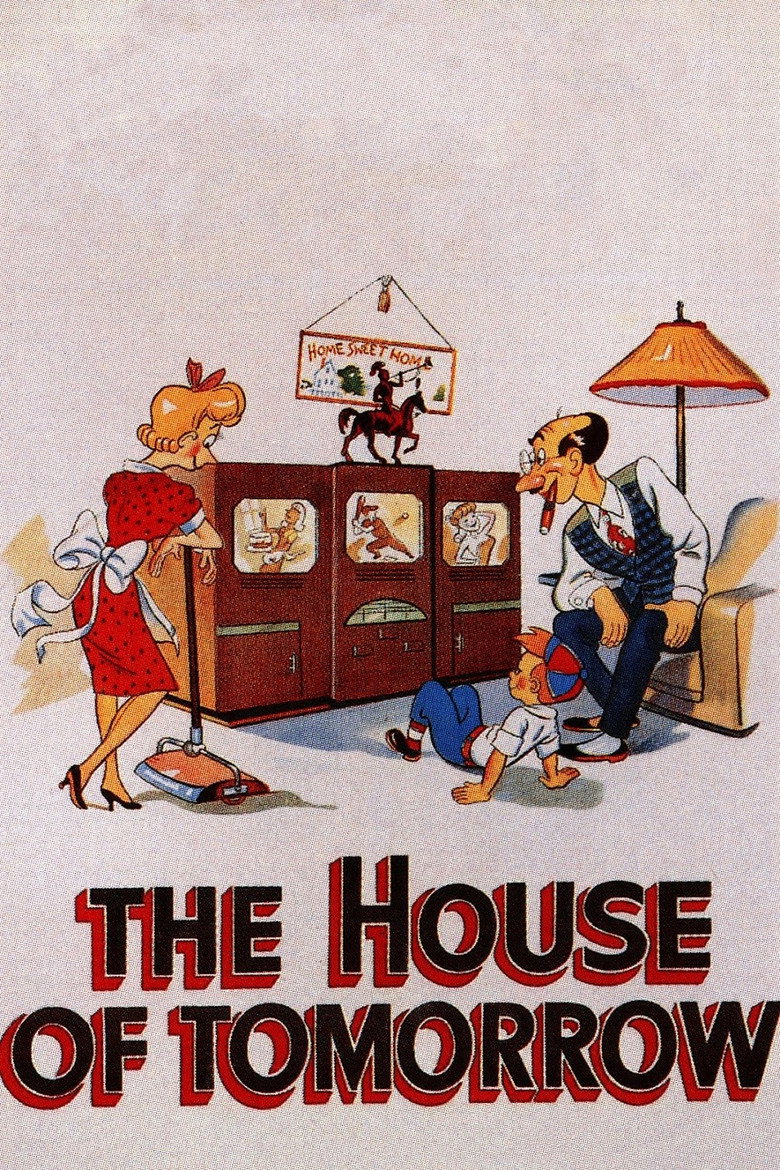
1949
ApprovedDirector
Tex Avery
Runtime
7 minutes
Average Rating
No ratings yetSynopsis
Tex Avery's narrator shows us the amazing features of the ultra-modern House of Tomorrow.
Overall Score
Limited
Category Breakdown
LGBTQ+ Representation
The film focuses on a technological tour of a domestic space. There is no evidence of non-cisnormative identities or narratives addressing heteronormativity.
Gender Representation
The narrative centers on a modern home, a setting historically tied to traditional domesticity. There is insufficient evidence to confirm high-agency female characters or a subversion of gender hierarchies.
Racial & Ethnic Diversity
The film appears to reflect the homogeneous demographic norms of mid-century American animation. The focus remains on technological futurism rather than a diverse ensemble cast.
Religious & Cultural Diversity
The film engages with Western notions of progress and technological capitalism. The framework remains rooted in Western-centric visions of modernity without evidence of secularist themes.
Disability Representation
There is no indication of characters with visible or invisible disabilities. The work does not suggest the inclusion of neurodivergent perspectives.
Strengths
Areas for Improvement
AI Analysis
Tex Avery’s short is a period-specific comedic exploration of futurism. It utilizes animation to engage with mid-century fascinations regarding technological progress and domestic life. The work operates within the conventional social and demographic frameworks of 1949. It does not prioritize intersectional representation or the deconstruction of social hierarchies, focusing instead on satirical technological advancement. Ultimately, the film functions as a narrow look at Western-centric modernity, lacking the breadth of character diversity found in contemporary media.
1978
1951
1953
1948

1943
1938
1940
1949

1955

1941
1939

1953
No reviews yet. Be the first to share your thoughts on this movie!
Use the rating form above to leave a star rating and optional review.