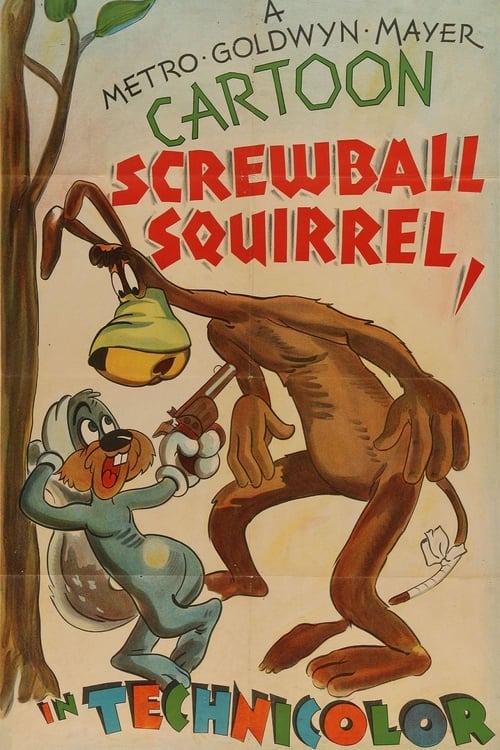
Screwball Squirrel
1944
No user ratings available yet
Representation score: 0.3 out of 10
Representation Score
Minimal
1944
Director
Tex Avery
Runtime
8 minutes
Average Rating
No ratings yetNew Showbiz Analysis
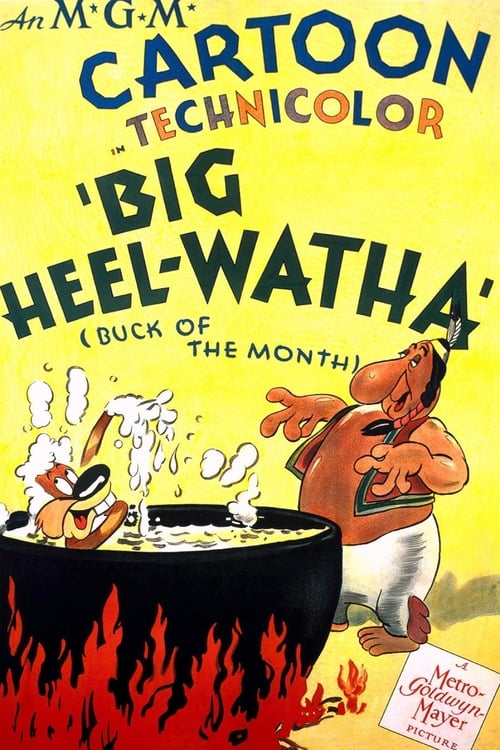
Big Heel-Watha is a product of its 1944 era, relying heavily on established comedic clichés and historical caricatures. The narrative focuses on a simple slapstick conflict between a central character and a squirrel, leaving little room for exploring complex identities. The film lacks representation across nearly all modern diversity metrics. It fails to include LGBTQ+ identities, women's ability to drive the story, or portrayals of disability, resulting in a very low diversity profile. While the 'Indian Brave' character serves as a central plot point, it functions as a reductive stereotype that reinforces mid-century stereotypes rather than providing authentic or layered cultural representation.
Category Breakdown
The film does not include any characters with non-binary gender identities or LGBTQ+ representation. It also does not address or critique the assumption that everyone is straight or cisgender.
The story focuses on a conflict between an 'Indian Brave' and a squirrel. There are no female characters or narratives that challenge traditional gender roles.
The film uses the 'Indian Brave' archetype, which is a stereotypical representation from the mid-20th century. This portrayal simplifies the depiction of Indigenous peoples rather than presenting a nuanced view.
The narrative follows typical 1940s slapstick comedy structures. It does not include any critiques of Western culture, capitalism, or religion, reinforcing traditional period stereotypes.
There is no information about the depiction of physical disabilities, neurodivergence, or mental health conditions in this short.
Present on Screen
Limited or Absent
Official Synopsis
To prove he's a true Indian Brave, Big Heel-Watha decides to catch a squirrel - but wouldn't you know it; Screwy Squirrel is the first one he sees...
1944
1945
1944
1949
1940
1941
1947
1941
No reviews yet. Be the first to share your thoughts on this movie!
Use the rating form above to leave a star rating and optional review.