The Farm of Tomorrow
1954
No user ratings available yet
Diversity score: 2.6 out of 10
1953
Director
Tex Avery
Runtime
7 minutes
Average Rating
No ratings yetSynopsis
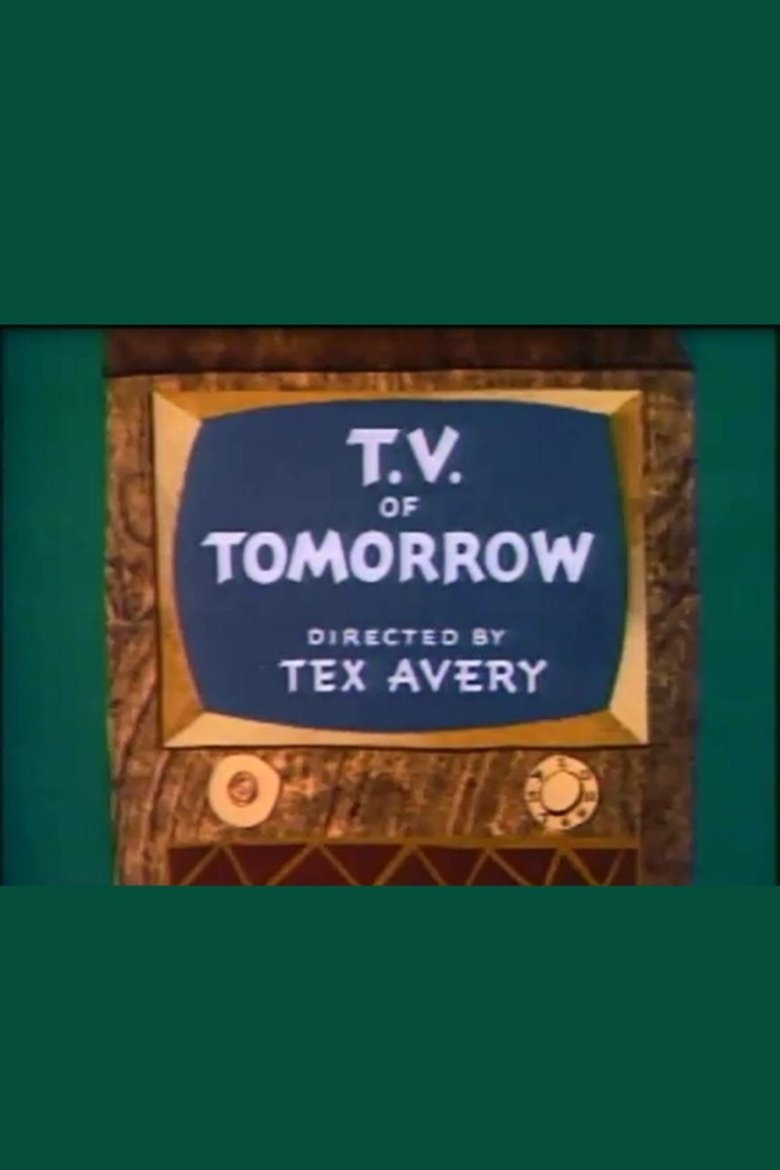
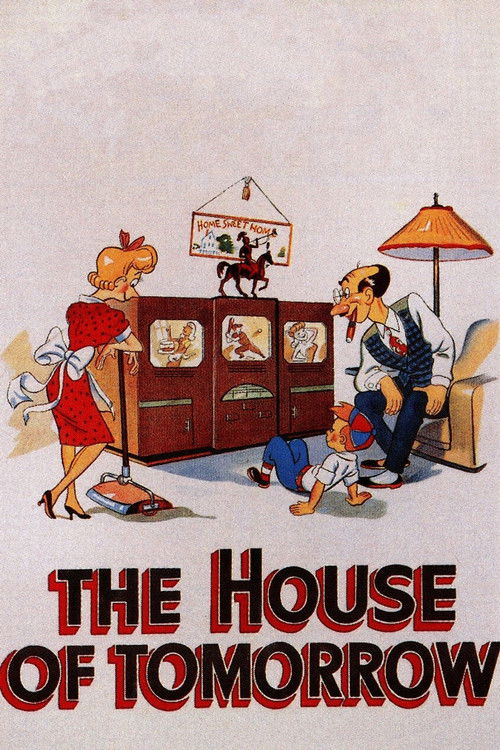
A variety of fanciful innovations in "future" T.V. sets, including a model with a built-in stove, and a number of highly interactive models. And of course, even with dozens of channels, there's nothing on...or more accurately, there's nothing but the same Western.
Overall Score
Limited
Category Breakdown
LGBTQ+ Representation
The short lacks LGBTQ+ characters or narratives. It functions as a satire of technological consumerism rather than exploring sexual identity or critiquing heteronormativity.
Gender Representation
Gender roles appear traditional and domestic. The focus on a television model with a built-in stove suggests a reinforcement of gendered spaces rather than any subversion of hierarchy.
Racial & Ethnic Diversity
There is no evidence of non-white or non-Anglo-Saxon representation. The film critiques the homogeneity of Western-centric programming rather than providing a diverse cast.
Religious & Cultural Diversity
The film mocks the stagnation of mid-century media consumption. It offers a subtle commentary on the repetitive nature of mass media within a traditionalist 1950s framework.
Disability Representation
There is no documented evidence of characters with visible or invisible disabilities in this work.
Strengths
Areas for Improvement
AI Analysis
Tex Avery’s short is a satirical look at the future of media, focusing on technological gimmicks and the repetitive nature of television programming. While it cleverly deconstructs the medium's tropes, it does so through a very narrow social lens. The film's primary target is the vacuum of content, specifically the ubiquity of the Western genre. This focus on genre homogeneity comes at the expense of diverse character representation, reflecting the era's standard socio-cultural constraints. Ultimately, the work prioritizes surrealist humor and consumerist critique over social progress. It remains a product of its time, offering insight into media saturation without challenging established social hierarchies.
1954
1951
1947
1945
1949
1951
1952
1950
1944
1949
1965
2007
No reviews yet. Be the first to share your thoughts on this movie!
Use the rating form above to leave a star rating and optional review.