
Stolen Dreams
2009
No user ratings available yet
Representation score: 6.6 out of 10
Representation Score
Excellent
2007
Director
Jorge Durán
Runtime
105 minutes
Average Rating
No ratings yetNew Showbiz Analysis
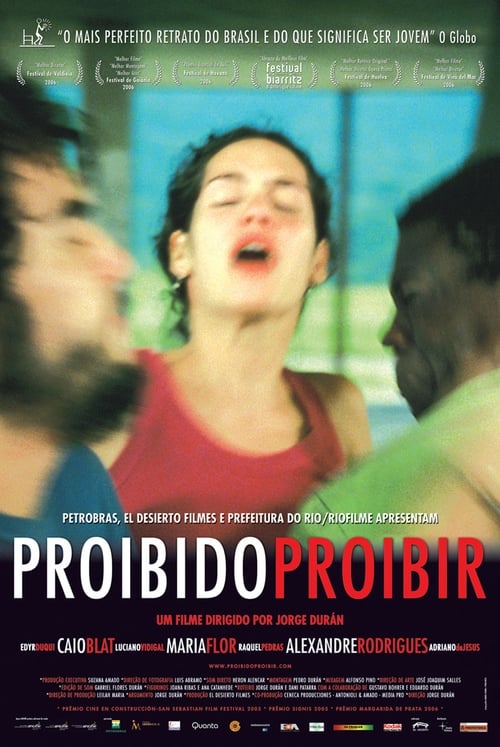
Forbidden to Forbid is a work of social realism that effectively deconstructs institutional stability by centering the underrepresented. Its greatest impact comes from its racial and cultural positioning, which highlights the systemic violence faced by those in Brazil's urban slums. The film succeeds in challenging conventional hierarchies and critiquing state authority. By focusing on the collision between youthful idealism and police brutality, it provides a necessary lens into the struggles of the Global South. However, the narrative's depth regarding specific identity groups is less certain. While the setting and central illness provide a foundation for diverse themes, the degree of ability to act afforded to female and disabled characters remains unverified.
Category Breakdown
The film does not provide clear evidence about the sexual orientations or gender identities of its characters. Although the Rio de Janeiro setting often allows for exploring fluid identities, there are no confirmed non-straight relationships or identities.
A terminally ill woman serves as the narrative catalyst, shifting focus away from traditional male-centric hero stories. However, it remains unclear if she plays a significant role in driving the story or simply serves as a plot device for the protagonists.
The film centers on the lived experiences of underrepresented citizens within Rio's favelas. This approach disrupts white-normative lenses by prioritizing the perspectives and struggles of the Global South.
By framing state institutions and police as sources of trauma, the film critiques Western-style authority. It prioritizes systemic social justice and the struggles of the impoverished over traditional law and order.
The inclusion of a terminally ill character explores physical vulnerability and the fragility of life. The film engages with the somber realities of chronic illness through this central, life-altering condition.
Present on Screen
Limited or Absent
Official Synopsis
Three young Brazilian try to help a terminally ill woman who lives in the slums of Rio de Janeiro. Their youthful idealism is shattered with the cruel reality of police brutality.
2009

2008

2014

1980
2001

2014
2010
2013
No reviews yet. Be the first to share your thoughts on this movie!
Use the rating form above to leave a star rating and optional review.