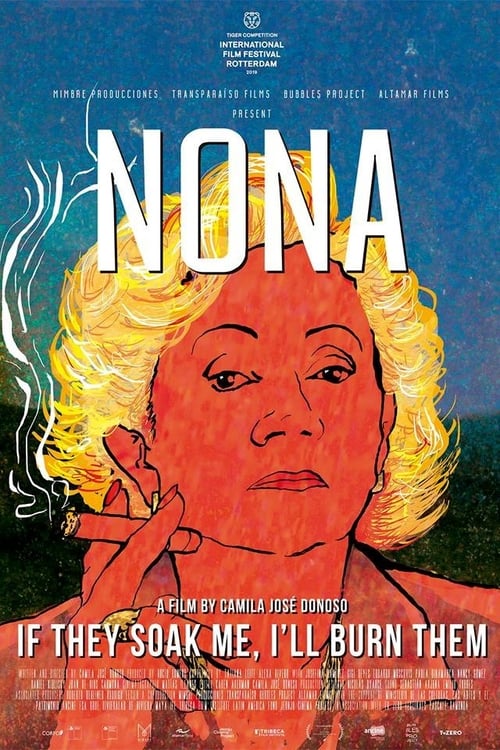
Nona. If They Soak Me, I'll Burn Them
2019
No user ratings available yet
Representation score: 9.0 out of 10
Representation Score
Good
2016
Director
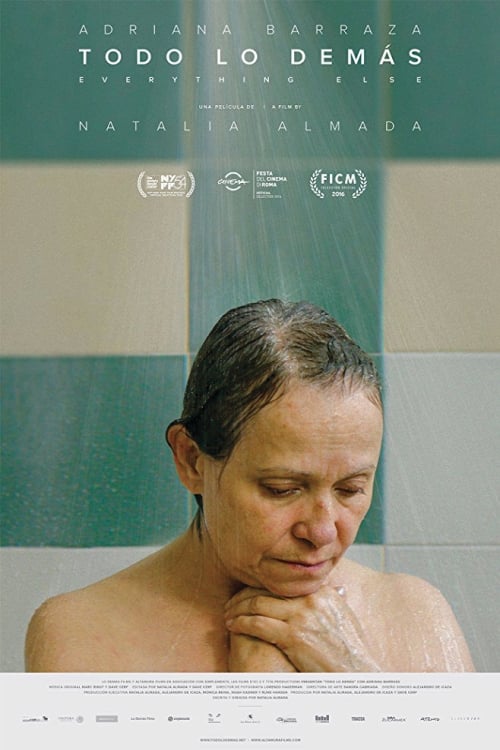
Natalia Almada
Runtime
98 minutes
Average Rating
No ratings yetNew Showbiz Analysis
Natalia Almada’s documentary is a nuanced exploration of memory and systemic change. Its strength lies in rejecting dominant, Anglo-centric historical narratives and instead highlighting the complex racial and ethnic realities of the borderlands. By shifting the focus from the state to the individual, the film offers a rich, layered portrayal of the American Southwest. However, it remains limited in its social scope, lacking explicit representation of LGBTQ+ identities and specific focus on neurodivergence or physical disabilities.
Category Breakdown
The film does not prominently feature LGBTQ+ identities or explore non-traditional gender roles. There are no clear references to same-sex relationships or queer-coded subtext.
The story focuses on Doña Flor, an older woman reclaiming her identity amid bureaucratic obstacles and personal loss. This emphasis challenges the typical marginalization of older women in media.
The film highlights the indigenous and mixed heritage of the American Southwest through a post-colonial lens. It emphasizes the lived experiences of communities affected by displacement and territorial changes.
The narrative questions the imposition of Western sovereignty on ancestral lands. It critiques Western institutions like borders, presenting them as forces of displacement rather than stability.
While the film delves into the psychological impact of grief and invisibility, it does not specifically center neurodivergence or physical disabilities as key narrative elements.
Present on Screen
Limited or Absent
Official Synopsis
After 35 years working as a clerk in a government office, Doña Flor has become such a cog, invisible to herself. Cloaked in solitude and routine, she has even suppressed the loss of her daughter who drowned years ago. As her retirement approaches the walls of bureaucracy that have sheltered her from her pain begin to crumble. Doña Flor’s sense of self begins to awaken in parallel with the country beginning to erupt from excessive violence and corruption.
2019
1994
2013

2020
1998
2009
2016

2023
No reviews yet. Be the first to share your thoughts on this movie!
Use the rating form above to leave a star rating and optional review.