The Stupidstitious Cat
1947
No user ratings available yet
Representation score: 0.4 out of 10
Representation Score
Limited
1952
ApprovedDirector
Seymour Kneitel
Runtime
6 minutes
Average Rating
No ratings yetNew Showbiz Analysis
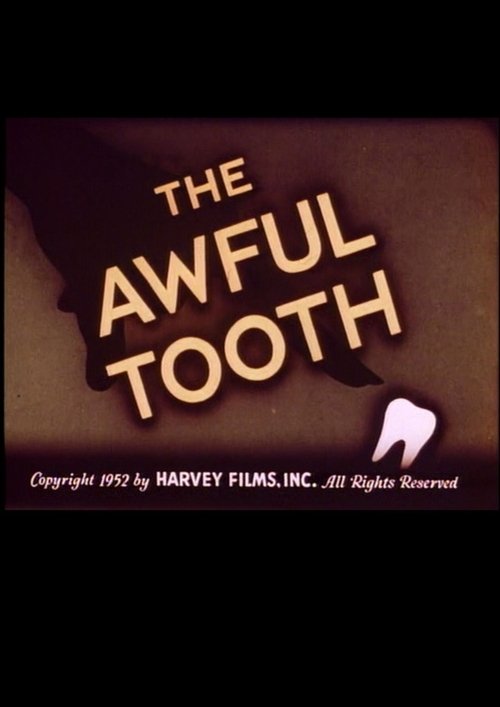
The Awful Tooth is a mid-century animated short that prioritizes classic slapstick and traditional comedic structures. The narrative focuses on a single, goal-oriented plot involving a cat’s physical discomfort, which functions more as a genre cliché than a deep character study. Since the film relies on anthropomorphic animal archetypes, it avoids human social complexities such as race, gender, or sexual orientation. The focus remains strictly on a localized, individualistic struggle for physical relief through a fable-like framework. Ultimately, the film adheres to the established studio standards of 1952. It lacks the layered depth or systemic critique needed to address diverse social identities, functioning instead as a conventional piece of character-driven physical comedy.
Category Breakdown
The film doesn't include any LGBTQ+ characters or stories about non-traditional gender identities. It follows a typical animal fable format from the 1950s.
The story centers around a single cat protagonist and a crow antagonist. There are no indications of nuanced gender power dynamics or challenges to traditional gender roles.
As an anthropomorphic cartoon, the film doesn’t deal with human racial or ethnic identities. The conflict revolves around biological and physical struggles.
The plot uses a traditional fable structure centered on a 'Remedy Book.' It doesn’t challenge Western or established knowledge structures.
A wisdom tooth problem serves as a comedic device to create slapstick humor. It doesn’t explore chronic pain in a meaningful way.
Present on Screen
Limited or Absent
Official Synopsis
A cat is being driven mad --- a short distance --- by an aching wisdom tooth and discovers in the Remedy Book a remedy that requires only the eating of a crow. The cat captures the first crow that comes along, but the crow is smarter than the cat, and offers other remedies, none of which call for crow-eating.
1947
1950
1947
1945
1966
1964
1943
1952
No reviews yet. Be the first to share your thoughts on this movie!
Use the rating form above to leave a star rating and optional review.