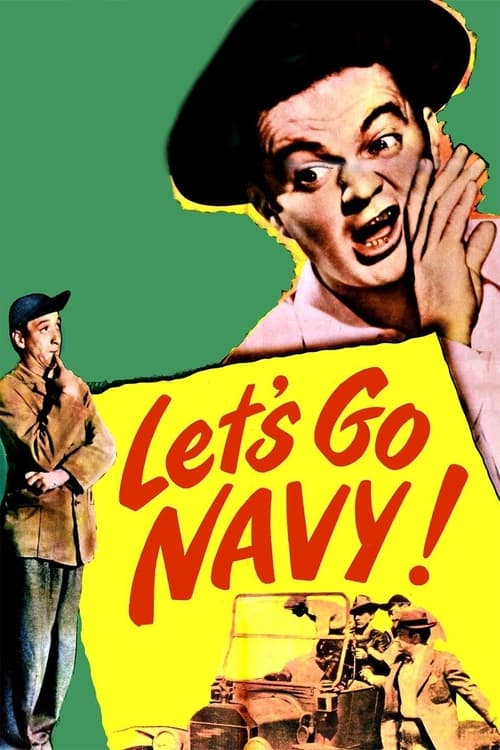
Let's Go Navy!
1951
No user ratings available yet
Diversity score: 1.6 out of 10
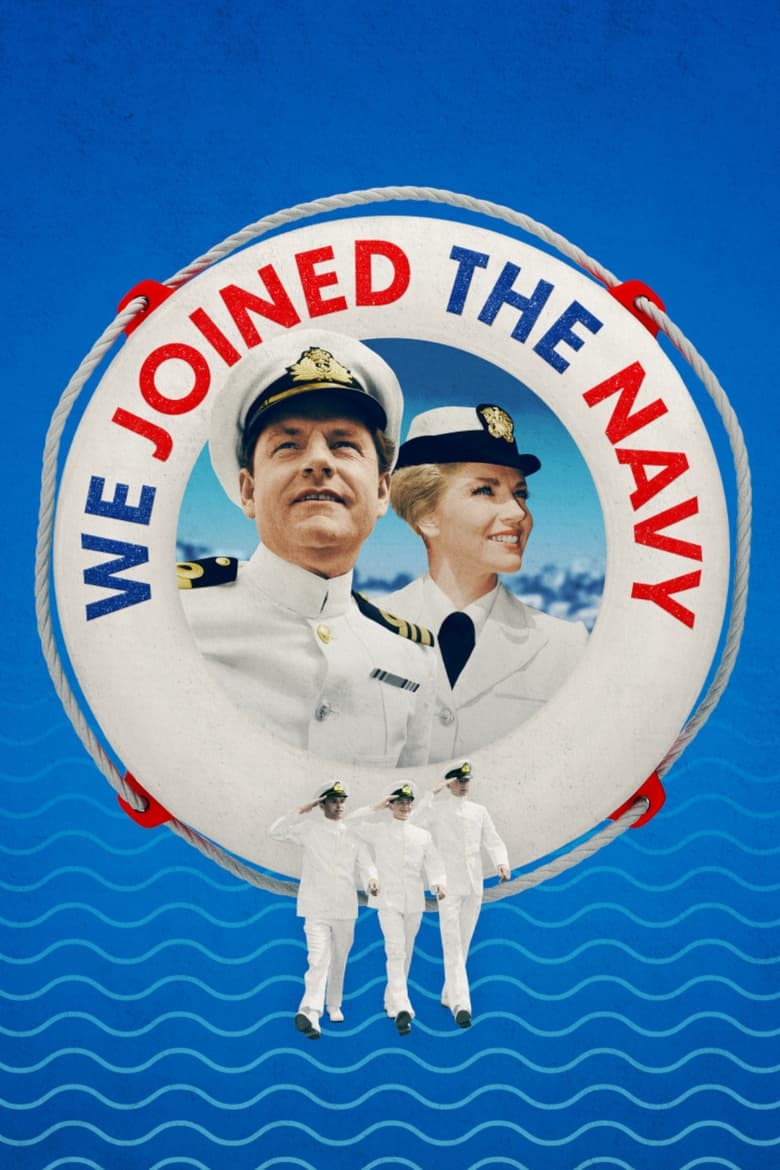
1963
Not RatedDirector
Wendy Toye
Runtime
105 minutes
Average Rating
No ratings yetSynopsis
Lt Commander Badger, RN: an exceptionally likeable fellow, the Artful Bodger has one besetting sin a shining honesty which compels him to say the right thing at entirely the wrong time! When untimely remarks to some new recruits are splashed across the tabloids, the rush is on to find him a new posting somewhere far away.
Overall Score
Minimal
Category Breakdown
LGBTQ+ Representation
The film maintains a strictly heteronormative structure. It focuses on masculine camaraderie without any depiction of non-cisnormative identities or same-sex intimacy.
Gender Representation
The narrative operates within a rigid patriarchal framework. The cast is composed exclusively of men, reinforcing the naval environment as a purely masculine domain.
Racial & Ethnic Diversity
The production reflects the demographic homogeneity of the mid-20th-century British military. The cast consists of white actors, presenting a monolithic view of British identity.
Religious & Cultural Diversity
The film serves as a patriotic piece that validates Western institutions. It emphasizes military discipline and national service rather than exploring multiculturalism or moral relativism.
Disability Representation
There are no visible or invisible disabilities portrayed. Characters are depicted as able-bodied recruits, with no engagement with neurodivergence or physical impairment.
Strengths
Areas for Improvement
AI Analysis
We Joined the Navy is a product of mid-century institutional filmmaking designed to reinforce existing social hierarchies. It prioritizes nationalistic values and the stability of established Western institutions over intersectional complexity. The film lacks any representation of marginalized identities, opting instead for a traditionalist lens. It functions as a tool for social cohesion through the promotion of duty and military discipline. Ultimately, the work adheres to the social constraints of its era, presenting a monolithic and homogeneous view of British life and identity.
1951
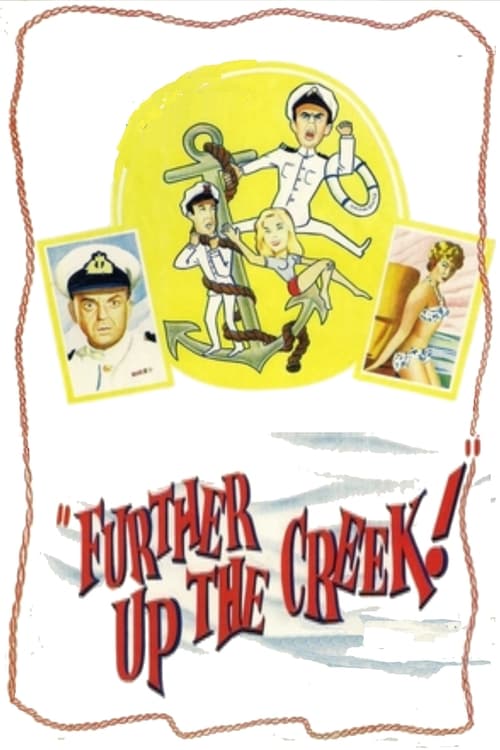
1958
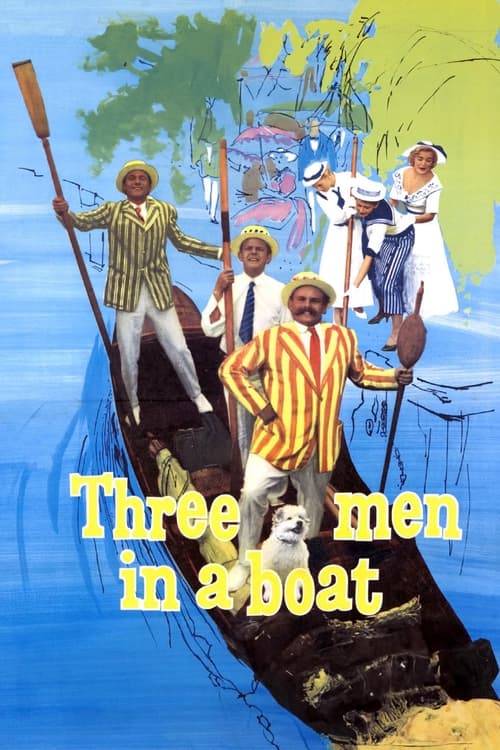
1956
1965
1959
1959
1952
1952
1952
1953

1957
1956
No reviews yet. Be the first to share your thoughts on this movie!
Use the rating form above to leave a star rating and optional review.