The New Half Back
1929
No user ratings available yet
Representation score: 1.8 out of 10
Representation Score
Minimal
1952
ApprovedDirector
Frederick de Cordova
Runtime
80 minutes
Average Rating
No ratings yetNew Showbiz Analysis
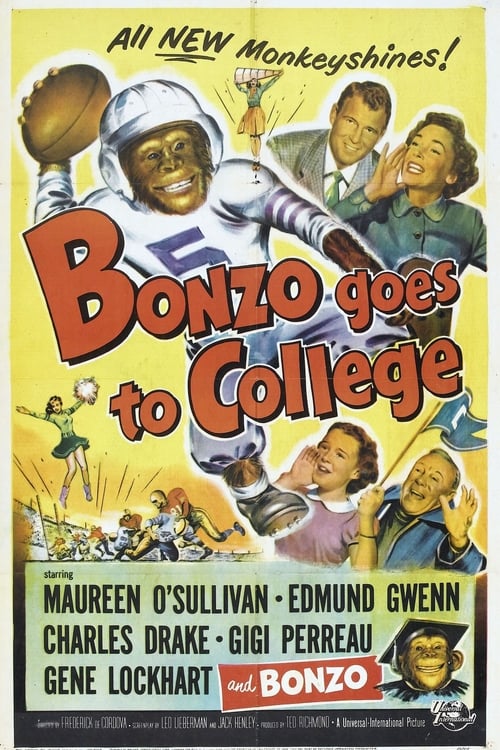
Bonzo Goes to College is a quintessential mid-century studio comedy that prioritizes traditional comedic clichés over social disruption. The film reinforces the established social hierarchies and demographic compositions of 1952. The narrative adheres strictly to the era's social conventions, presenting a culturally monolithic view of the American academic institution. It avoids any engagement with diverse perspectives or the subversion of systemic status quos. Ultimately, the film serves as a baseline example of its period, focusing on the 'fish out of water' cliché to explore generational etiquette rather than expanding the scope of human representation.
Category Breakdown
The film does not include any queer subtext or non-cisgender identities. It operates entirely within a straight-centered framework typical of the 1950s.
Character roles are centered on male protagonists, reflecting standard mid-century hierarchies. Female characters exist in the collegiate setting but do not drive the plot or challenge social orders.
The production features a largely homogeneous cast consistent with early 1950s casting conventions. There is no significant inclusion of characters of color with meaningful ability to act.
The narrative upholds traditional Western social values and emphasizes social stability. It focuses on social integration and decorum rather than deconstructing Western institutions.
There is no visible or invisible disability representation within the character arcs. The film does not provide ability to act to neurodivergent or physically disabled characters.
Present on Screen
Limited or Absent
Official Synopsis
When Bonzo turns out to be the answer to the football teams troubles, the only solution is to enroll him into a college.
1929
1932
1958
1952
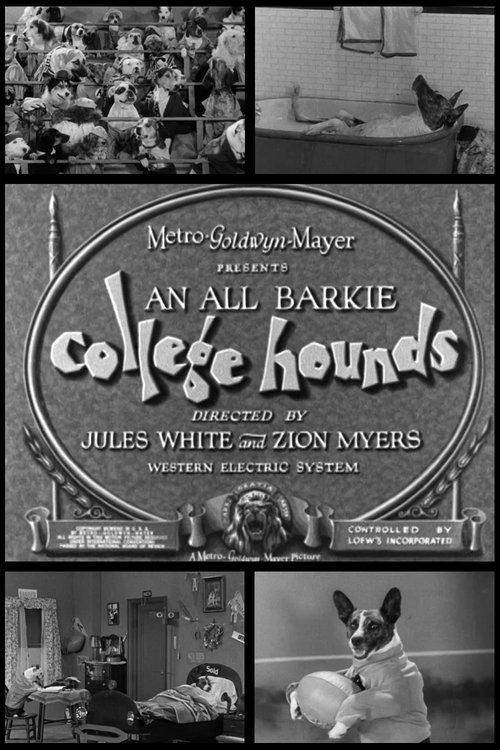
1929
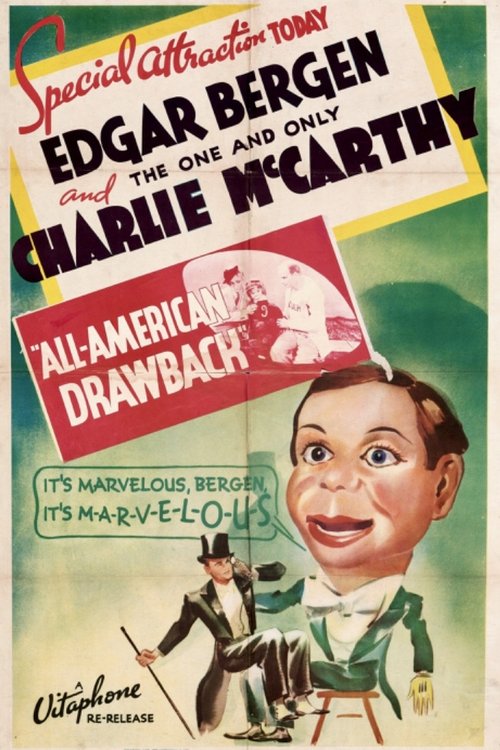
1935
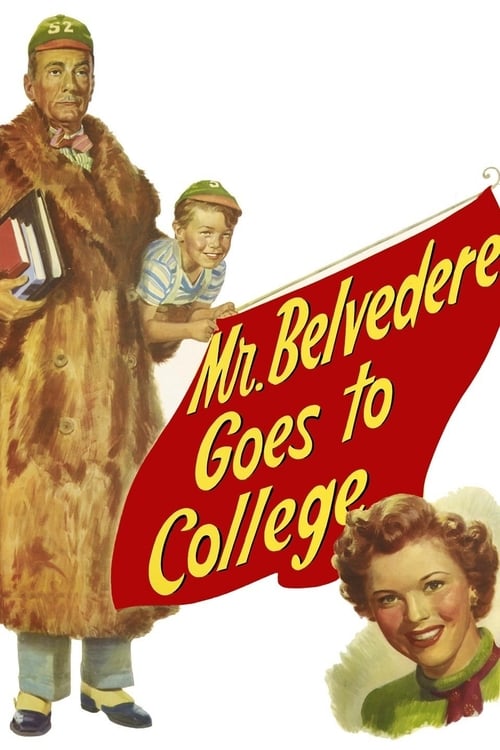
1949
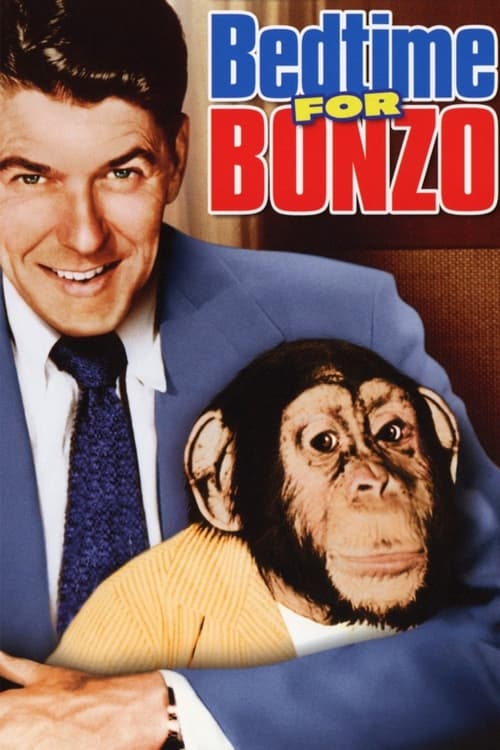
1951
No reviews yet. Be the first to share your thoughts on this movie!
Use the rating form above to leave a star rating and optional review.