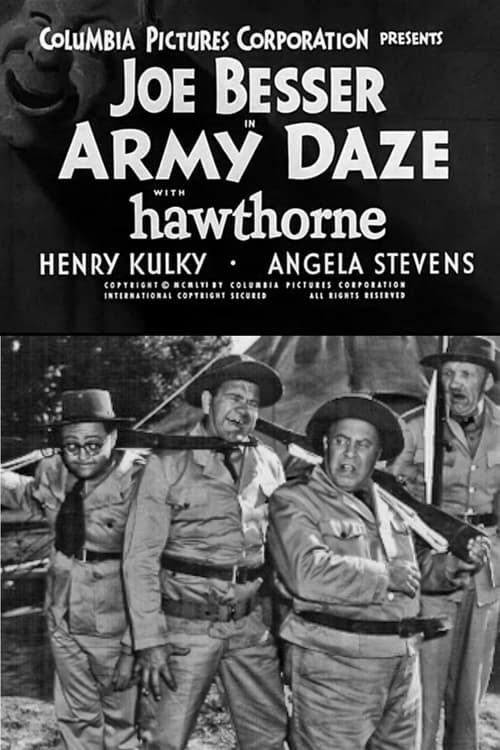
Army Daze
1956
No user ratings available yet
Representation score: 1.4 out of 10
Representation Score
Minimal
1952
Not RatedDirector
Norman Taurog
Runtime
96 minutes
Average Rating
No ratings yetNew Showbiz Analysis
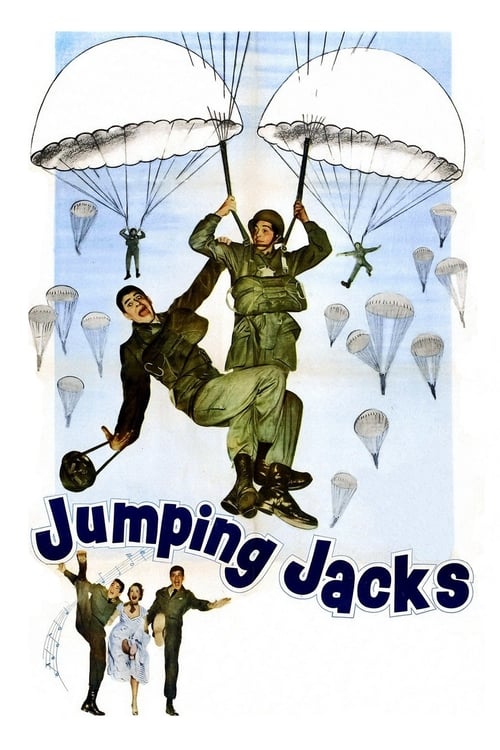
Jumping Jacks is a typical mid-century studio comedy that emphasizes slapstick humor over social complexity. The narrative upholds the established social hierarchies of 1952 rather than challenging them. The film presents a homogeneous, Anglo-centric view of the military environment. It lacks depth in representing diverse identities, focusing instead on a centralized narrative that upholds traditional gender roles and institutional stability. Overall, the film reinforces existing power dynamics through physical comedy, maintaining a stable, conservative social backdrop.
Category Breakdown
The film does not include any characters with LGBTQ+ identities or non-cisgender gender expressions.
The movie reinforces traditional gender roles where women mainly serve as romantic interests or supportive figures to the male-driven storyline.
The cast is predominantly white, reflecting the demographic makeup of the time period. There are no characters of color who play significant roles in the story.
The film portrays a cohesive society respectful of Western institutions like the U.S. Army. It does not question or critique Western authority or secular values.
Physical clumsiness is used as a slapstick comedic device rather than a meaningful depiction of disability. The protagonist follows the 'bumbling recruit' archetype.
Present on Screen
Limited or Absent
Official Synopsis
Nightclub entertainer Hap Smith has a new act since his former partner Chick Allen joined the army. With his lovely new female partner, Hap now plays a clownish parody of a soldier. When Chick organises a soldier show at Fort Benning, he realizes he needs his former partner's help—so, to get onto the base, Hap impersonates a hapless real soldier, but circumstances force them to prolong the masquerade, creating an increasingly tangled Army-sized SNAFU.
1956

1960
1941
1926
1941
1944
1959

1945
No reviews yet. Be the first to share your thoughts on this movie!
Use the rating form above to leave a star rating and optional review.