Vote for Huggett
1949
No user ratings available yet
Diversity score: 3.1 out of 10
1956
NRDirector
Ken Annakin
Runtime
84 minutes
Average Rating
No ratings yetSynopsis
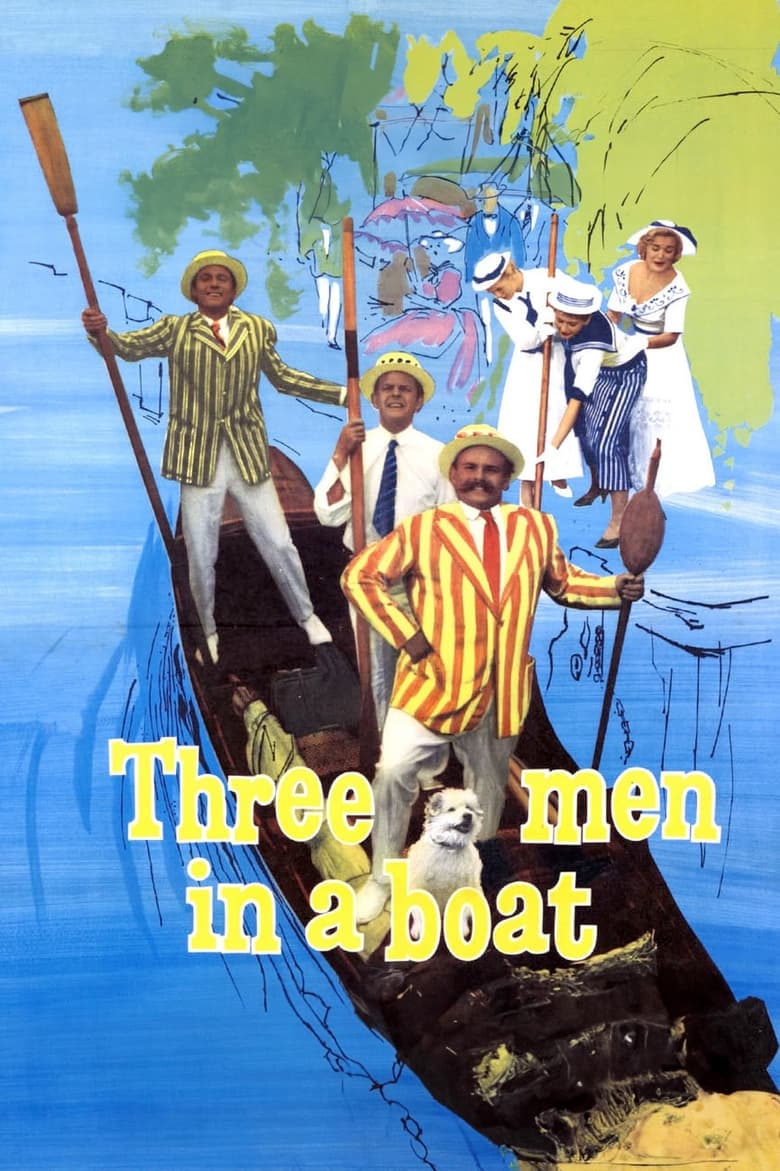
Three London gentlemen take a vacation rowing down the Thames, encountering various mishaps and misadventures along the way.
Overall Score
Minimal
Category Breakdown
LGBTQ+ Representation
The film focuses entirely on heteronormative male camaraderie. It lacks any depiction of non-cisnormative identities or same-sex intimacy.
Gender Representation
Female characters are peripheral and lack the agency to influence the plot. The narrative is driven exclusively by male protagonists, reinforcing traditional hierarchies.
Racial & Ethnic Diversity
The production features a homogeneous, all-white British cast. It reflects a narrow, Anglo-centric view of mid-century English leisure.
Religious & Cultural Diversity
The story celebrates traditional Western middle-class leisure. It prioritizes the stability of the status quo without engaging in secularist or anti-Western critiques.
Disability Representation
There is no representation of physical, sensory, or neurodivergent identities. Characters exist within a standard able-bodied framework.
Strengths
Areas for Improvement
AI Analysis
This 1956 comedy is a product of its era, functioning as a reinforcement of mid-century Western social norms. The narrative is built upon a foundation of homogeneity, centering on a singular demographic of middle-class English men. The film lacks the intentionality to disrupt conventional tropes or engage with intersectional storytelling. Instead, it adheres to established social hierarchies and traditional narrative structures. Ultimately, the work offers a narrow view of English life, providing almost no representation of diverse identities, genders, or abilities.
1949
1979

1921

1940
1961
1963

1950
1969
1929
1940
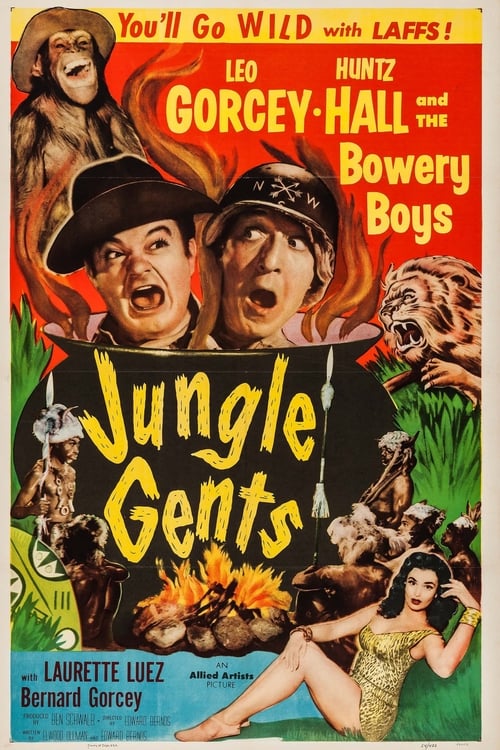
1954
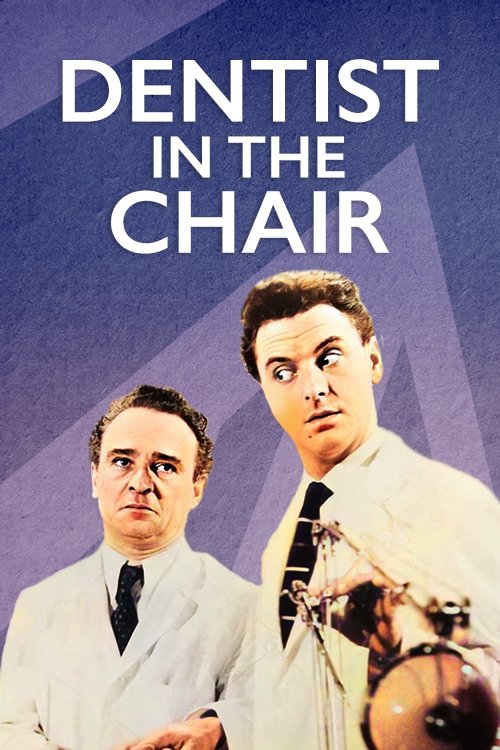
1960
No reviews yet. Be the first to share your thoughts on this movie!
Use the rating form above to leave a star rating and optional review.