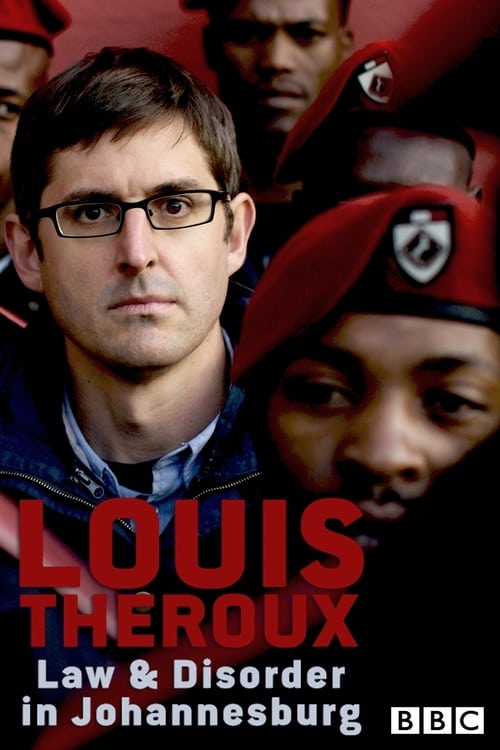
Louis Theroux: Law and Disorder in Johannesburg
2008
No user ratings available yet
Representation score: 7.8 out of 10
Representation Score
Good
2008
Director
Emma Cooper
Runtime
69 minutes
Average Rating
No ratings yetNew Showbiz Analysis
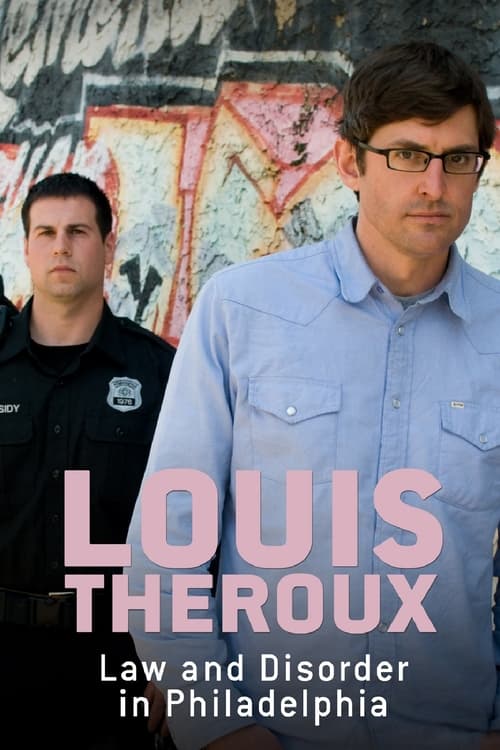
This documentary excels in capturing the demographic realities of urban Philadelphia, providing a nuanced look at how race and socioeconomic status intersect with the legal system. By avoiding idealized depictions of authority, it offers a sophisticated critique of institutional effectiveness. However, the film lacks intentional focus on specific identity narratives such as LGBTQ+ experiences or disability. It centers on the broader mechanics of the criminal justice system. Overall, the work stands as a sociological study of systemic inequality, even if it does not prioritize specific identity politics.
Category Breakdown
The documentary does not specifically highlight LGBTQ+ identities. Although the prison environment includes diverse sexualities, the film focuses on the broader mechanisms of the criminal justice system rather than on specific LGBTQ+ stories.
The film portrays authority figures in traditional roles within the legal system. It documents how men and women navigate these established structures without actively challenging gender norms.
The documentary offers significant visibility for Black, Hispanic, and White individuals. It challenges stereotypes by highlighting the lived experiences of underrepresented communities within the American legal framework.
The narrative avoids simplistic moral binaries by portraying the complexities of individuals within the justice system. It frames poverty and incarceration as systemic issues rather than personal failings.
The film does not focus on neurodivergence or physical disabilities. Subjects are portrayed based on their legal and social standing rather than through the lens of disability advocacy.
Present on Screen
Limited or Absent
Official Synopsis
Louis visits one of America’s most crime-ridden cities in this installment of Law and Disorder.
2008
2010

2009

2008

2003
2011

2007
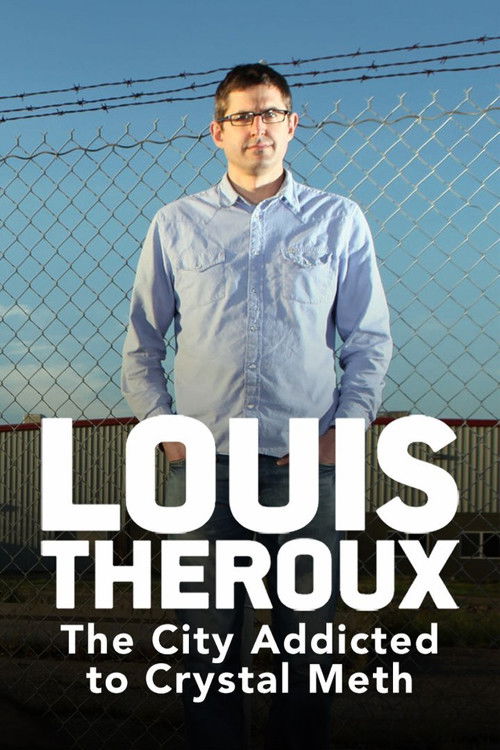
2010
No reviews yet. Be the first to share your thoughts on this movie!
Use the rating form above to leave a star rating and optional review.