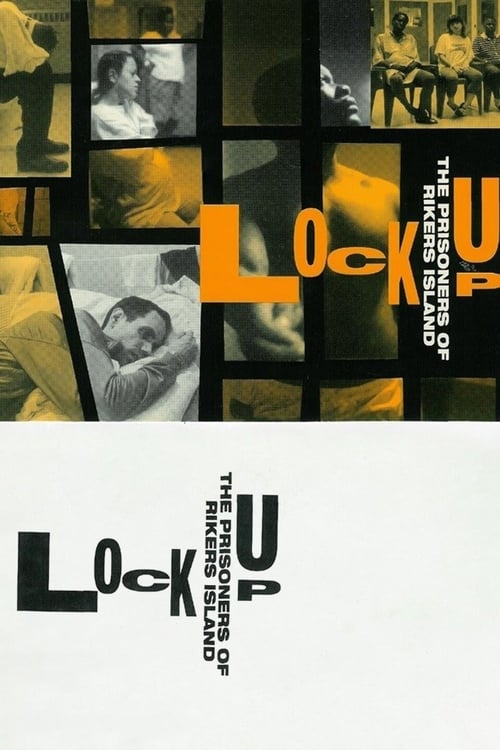
Lock-Up: The Prisoners of Rikers Island
1994
No user ratings available yet
Representation score: 7.5 out of 10

Representation Score
Excellent
2008
Director
Stuart Cabb
Runtime
60 minutes
Average Rating
No ratings yetNew Showbiz Analysis
Louis Theroux: Behind Bars succeeds as a sociological examination of institutional failures. It avoids a sanitized portrayal of the prison system, focusing instead on the volatile social hierarchies and psychological landscapes within high-security prisons. One of the film's greatest strengths is its authentic portrayal of racial and ethnic diversity. By showcasing a realistic cross-section of the prison population, it allows individuals of color to drive the narrative through personal stories. However, the documentary is limited by its focus on male-dominated environments, which emphasizes hyper-masculinity and restricts broader gender representation.
Category Breakdown
The film examines the challenges faced by LGBTQ individuals in highly masculine environments. It highlights the survival tactics needed to navigate these settings while maintaining non-traditional gender identities.
The story centers around male-dominated spaces and the distorted hierarchies of masculinity. It deconstructs male leadership by revealing the aggressive and unstable foundations upon which these roles are built.
The documentary showcases an authentic reflection of diverse communities, featuring individuals from different racial backgrounds. This natural casting avoids including someone from a minority group without giving them real depth and gives people of color a meaningful role in the story.
The film highlights the systemic issues linked to socioeconomic exclusion and incarceration. It depicts inmates navigating various religious and cultural identities within a complex moral framework.
The documentary provides a deep look into the intersection of mental health and incarceration. It portrays psychological conditions and neurodivergent traits as central to the inmates' experiences.
Present on Screen
Limited or Absent
Official Synopsis
For two weeks, Theroux visits the San Quentin State Prison.
1994

2020

2008

2015

2003

2011

2008

2009
No reviews yet. Be the first to share your thoughts on this movie!
Use the rating form above to leave a star rating and optional review.