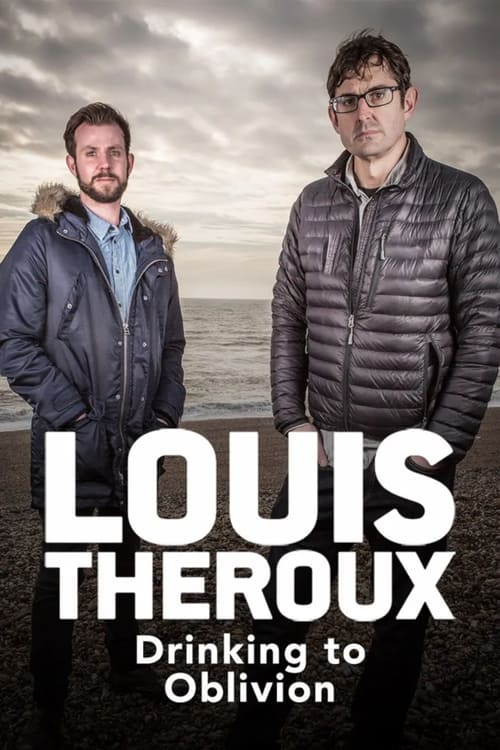
Louis Theroux: Drinking to Oblivion
2016
No user ratings available yet
Diversity score: 5.6 out of 10

2017
Director
Ellena Wood
Runtime
59 minutes
Average Rating
No ratings yetSynopsis
Anorexia, the pathological fear of eating and gaining weight, is now the most deadly mental illness in the UK, affecting around one in every 250 women. In this film, Louis Theroux embeds himself in two of London's biggest adult eating-disorder treatment facilities: St Ann's Hospital and Vincent Square Clinic. As he spends more time with patients both on and off the wards, he witnesses the dangerous power that anorexia holds over them, and finds himself drawn into a complex relationship between the disorder and the person it inhabits.
Overall Score
Good
Category Breakdown
LGBTQ+ Representation
The film maintains a neutral stance regarding LGBTQ+ identities. It does not center on non-cisnormative expressions, focusing instead on the pathology of anorexia rather than sexual orientation.
Gender Representation
The documentary examines how anorexia disproportionately impacts women. It avoids traditional hierarchies by focusing on the internal psychological agency of the patients navigating their mental health crises.
Racial & Ethnic Diversity
Patients and medical professionals reflect the multicultural reality of London. This organic representation avoids depicting a homogeneous population as the universal standard for mental illness.
Religious & Cultural Diversity
The film adopts a secular, clinical perspective on suffering. It prioritizes psychological explanations over religious frameworks, highlighting the systemic pressures placed on medical institutions.
Disability Representation
The documentary excels by treating mental health as a profound, lived disability. It grants subjects dignity through unmediated testimony, avoiding the pitfalls of 'inspiration porn.'
Strengths
Areas for Improvement
AI Analysis
The film succeeds by centering the lived experiences of individuals facing severe mental health crises. By utilizing an observational approach, it avoids simplifying complex psychological struggles into easy narratives of triumph. Its greatest strength is the dignified portrayal of mental disability. The subjects are granted agency to voice their own realities, which prevents the film from becoming a voyeuristic spectacle. However, the documentary remains largely focused on clinical pathology. While it reflects the multiculturalism of London, it does not deeply explore how specific gender roles or LGBTQ+ identities intersect with the eating disorder experience.
2016
2019
2010

2007
2016
2008
2016
2008
2008

2015

2021

2019
No reviews yet. Be the first to share your thoughts on this movie!
Use the rating form above to leave a star rating and optional review.