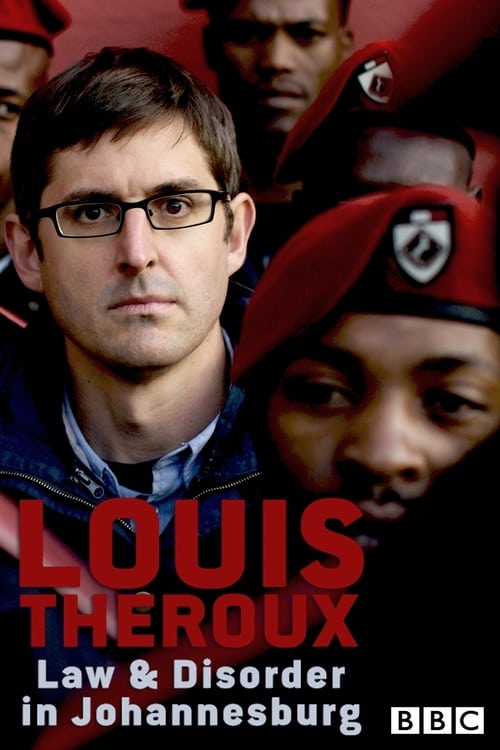
Louis Theroux: Law and Disorder in Johannesburg
2008
No user ratings available yet
Representation score: 7.8 out of 10
Representation Score
Good
2010
Director
Jason Massot
Runtime
60 minutes
Average Rating
No ratings yetNew Showbiz Analysis
The documentary is a powerful exploration of systemic failure and post-colonial tension. By focusing on the specific ethnic and social textures of Lagos, it allows local voices to drive the narrative without relying on a Western-centric perspective. However, the film's scope is limited. The emphasis on paramilitary and gang structures results in a heavily male-dominated landscape, lacking significant gender diversity or LGBTQ+ representation. These omissions narrow the film's social inquiry. Ultimately, the work is distinguished by its cultural authenticity. It challenges the perceived superiority of Western judicial frameworks by examining how local populations respond to institutional breakdowns.
Category Breakdown
The film centers on the conflict between paramilitary forces and local gangs, without focusing on LGBTQ+ identities or non-assuming gender matches what was assigned at birth expressions. Its primary focus remains on urban crime.
The narrative is dominated by male-led institutional and criminal entities. It does not actively challenge traditional gender hierarchies or highlight the roles of women in Lagosian society.
The documentary highlights the lived experiences of Nigerian citizens, featuring predominantly Black individuals. It provides a significant role in driving the story to local voices and avoids an outsider's perspective.
The film critiques Western-modeled legal institutions and explores the tension between post-colonial legal structures and indigenous social realities through the lens of jungle justice.
The documentary does not focus on neurodivergence or physical disabilities. Instead, it prioritizes socioeconomic and institutional dynamics over individual disability narratives.
Present on Screen
Limited or Absent
Official Synopsis
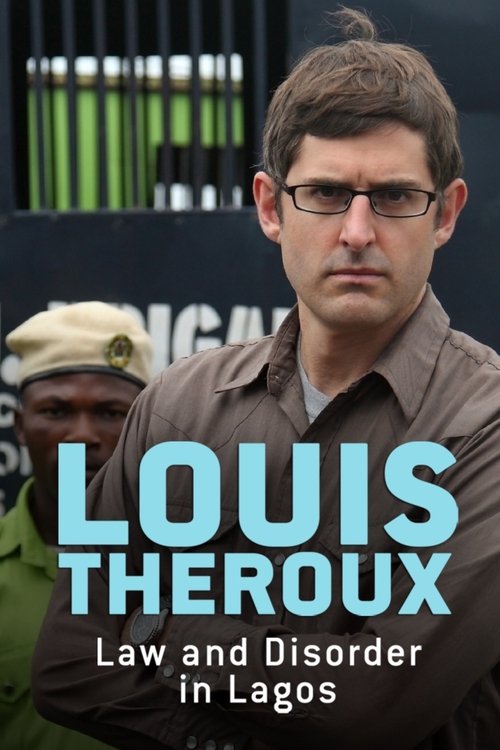
Louis Theroux is in Lagos, following the local gangs and a paramilitary task force.
2008
2008
2008

2003
2007
2003

2012

2007
No reviews yet. Be the first to share your thoughts on this movie!
Use the rating form above to leave a star rating and optional review.