Louis Theroux: Law and Disorder in Philadelphia
2008
No user ratings available yet
Diversity score: 5.6 out of 10
2007
Director
Emma Cooper
Runtime
60 minutes
Average Rating
No ratings yetSynopsis
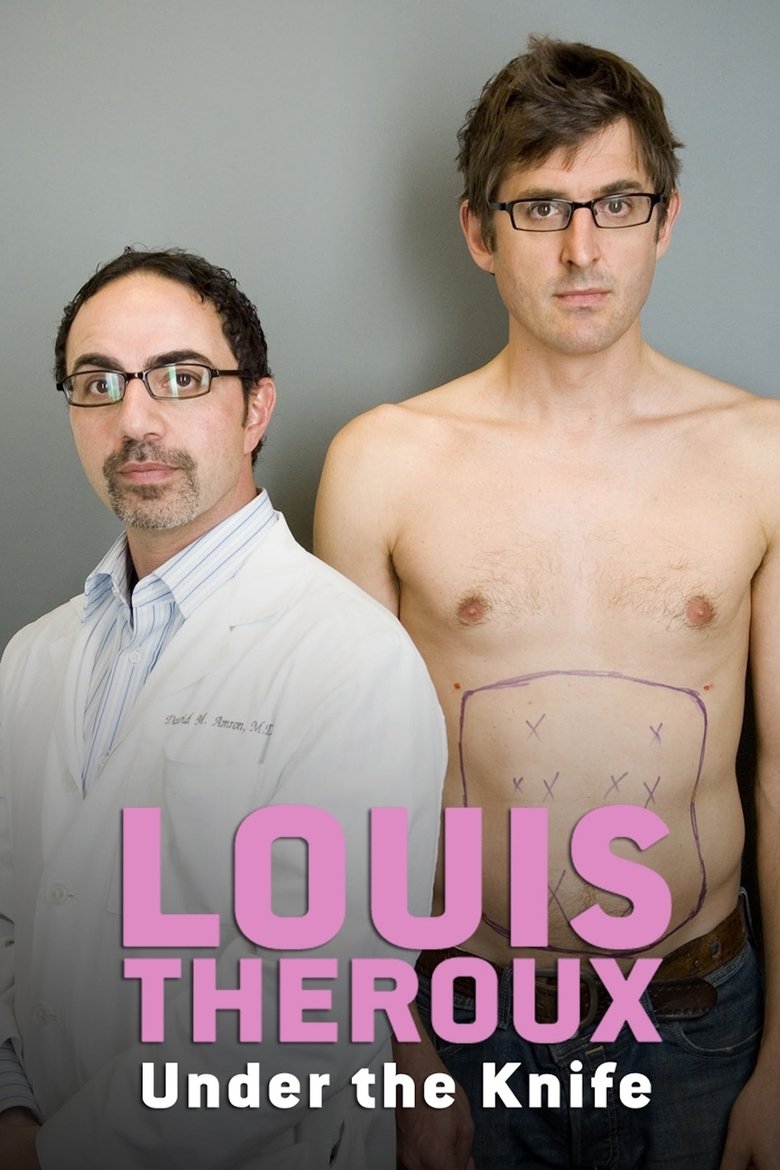
Louis Theroux: Under the Knife is a TV documentary written and presented by Louis Theroux about the people and doctors involved in plastic surgery operations. Filmed mostly in the USA, in the programme, Louis himself ends up getting liposuction.
Overall Score
Fair
Category Breakdown
LGBTQ+ Representation
The documentary focuses on clinical and psychological motivations for surgery. It lacks explicit visibility regarding LGBTQ+ narratives or non-cisnormative gender identities among the patients.
Gender Representation
The film centers female experiences, presenting women as active agents rather than mere aesthetic objects. It also includes men to challenge traditional masculine archetypes regarding vanity.
Racial & Ethnic Diversity
Patients from various ethnic backgrounds are featured, reflecting a globalized industry. However, racial identity is not treated as a primary thematic driver of the surgical motivations.
Religious & Cultural Diversity
The narrative critiques the intersection of capitalism and self-image. It explores how consumerism and postmodern identity construction influence the desire for physical perfection.
Disability Representation
The film investigates the psychological dimensions of body dysmorphia and mental health. It avoids tropes by focusing on the complex agency of individuals facing these challenges.
Strengths
Areas for Improvement
AI Analysis
Louis Theroux: Under the Knife is a sophisticated study of identity construction through the lens of cosmetic surgery. It succeeds by deconstructing social norms and prioritizing individual agency over moralizing the patients' choices. The documentary moves beyond surface-level observation to examine the complex relationship between mental health and physical self-actualization. While the film provides a platform for diverse socioeconomic and ethnic backgrounds, it does not center these identities as central themes. The representation feels organic to the clinical setting rather than being a deliberate demographic agenda. This results in a balanced but not specifically targeted approach to diversity. Ultimately, the film's strength lies in its subversion of conventional social expectations. By exploring the commodification of the body, it challenges the hierarchies of natural versus constructed identity without relying on stereotypical depictions.
2008
2011
2016
2016
2019
2017
2010

2015
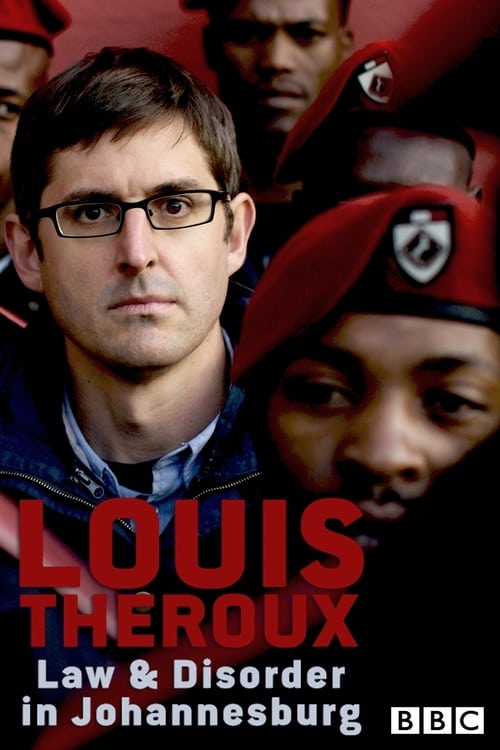
2008
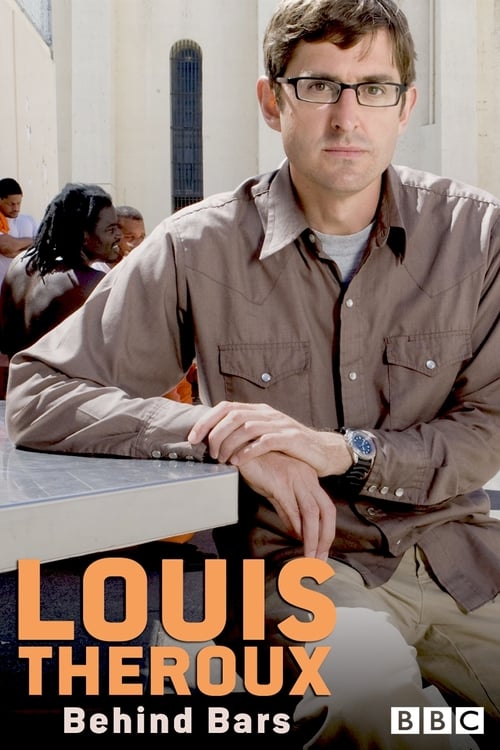
2008
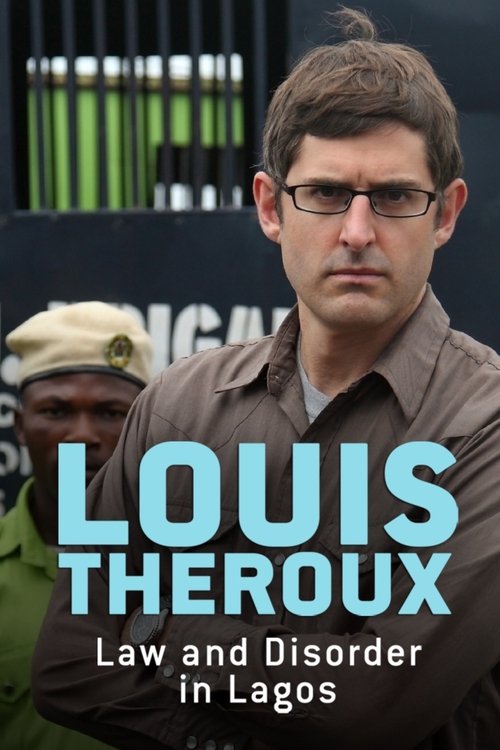
2010

2025
No reviews yet. Be the first to share your thoughts on this movie!
Use the rating form above to leave a star rating and optional review.