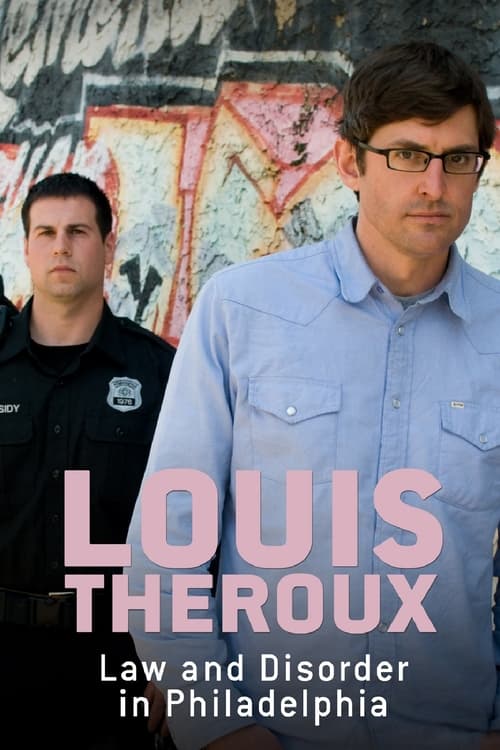
Louis Theroux: Law and Disorder in Philadelphia
2008
No user ratings available yet
Representation score: 7.2 out of 10
Representation Score
Good
2008
TV-MADirector
Paddy Wivell
Runtime
60 minutes
Average Rating
No ratings yetNew Showbiz Analysis
This documentary succeeds as a sophisticated deconstruction of the law and order cliché. By using the post-apartheid context of South Africa, it moves beyond simple binaries to explore the systemic drivers of social disorder. The film's main strength lies in its multi-layered approach to race and class. It provides a significant role in driving the story to local voices, showcasing a multi-ethnic reality that challenges monolithic views of the city. While the investigation lacks specific focus on LGBTQ+ or disability representation, its commitment to portraying complex socioeconomic realities provides substantial analytical depth.
Category Breakdown
The film focuses on the criminal and socio-political landscape of Johannesburg. It does not include any central LGBTQ+ narratives or non-cisgender identities.
The story centers on male-dominated environments such as gangs and law enforcement. However, it avoids reinforcing traditional feminine roles by showing individuals in high-stakes situations.
The documentary highlights the intersections of Black, White, and Indian communities. It presents a diverse view of the city, linking racial identity to socioeconomic status.
The film offers a nuanced look at systemic inequality and post-colonial issues. It avoids a simplistic Western moral perspective, focusing instead on how historical legacies shape behavior.
There is no significant evidence of visible or invisible disabilities serving as narrative drivers. The film does not focus on neurodivergence or physical disability as a primary lens.
Present on Screen
Limited or Absent
Official Synopsis
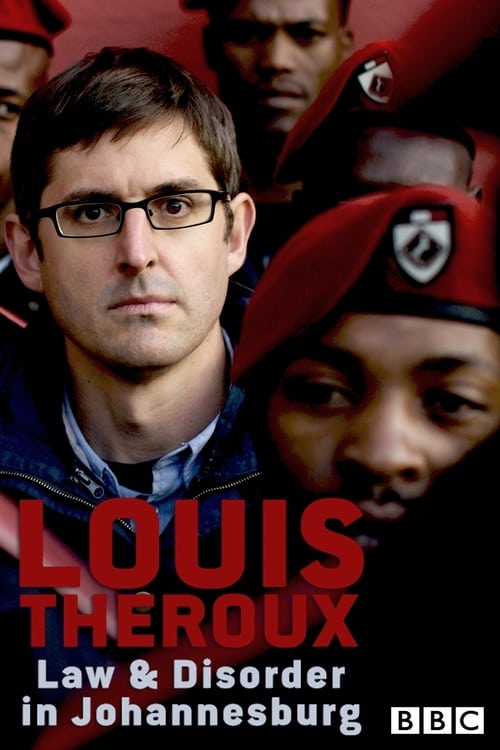
Louis Theroux travels to Johannesburg, where the residents find themselves increasingly besieged by crime as he looks at the issue of law and disorder.
2008
2010
2008
2003
2010
2009
2007

2007
No reviews yet. Be the first to share your thoughts on this movie!
Use the rating form above to leave a star rating and optional review.