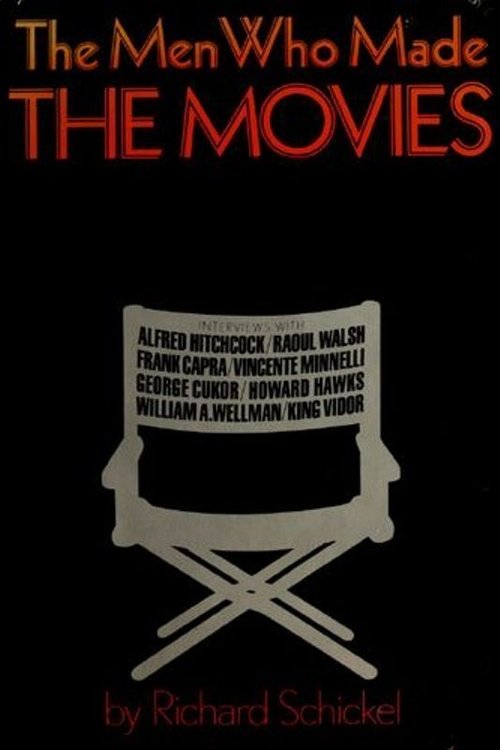
The Men Who Made the Movies: Alfred Hitchcock
1973
No user ratings available yet
Representation score: 4.0 out of 10
Representation Score
Limited
1999
GDirector
Ted Haimes
Runtime
101 minutes
Average Rating
No ratings yetNew Showbiz Analysis
This documentary serves as a traditional retrospective of Alfred Hitchcock's career. It prioritizes the technical mastery and psychological depth of a foundational Western filmmaker over modern social critiques. The film acts as a historical record of a specific era, reflecting the demographic norms of mid-century Hollywood. It focuses on preserving the existing cinematic canon rather than disrupting traditional hierarchies or applying a multi-layered approach to diversity. Consequently, the work maintains a low diversity score by mirroring the homogeneous social constraints of the period it examines.
Category Breakdown
The documentary focuses on a technical and biographical study of Hitchcock's career. It does not address LGBTQ+ identities or queer theory. The film remains centered on traditional assumptions about straight relationships.
The narrative emphasizes the 'Hitchcock Blonde' archetype. While it explores power dynamics between male directors and female protagonists, it treats these dynamics as stylistic clichés. It does not actively challenge traditional gender roles.
The film focuses on American and British classics from an era known for its lack of racial diversity. It reflects the homogeneous social constraints of the period being analyzed. No actors from diverse racial backgrounds are cast.
The film follows a traditional biographical format emphasizing Western cinematic excellence. It reinforces the historical importance of established Western film institutions. No narratives challenging Western cultural dominance are present.
Psychological instability and physical vulnerability are used as tools for creating suspense. The film does not explore disability through the lens of lived experience or neurodiversity. No progressive empowerment of disabled individuals is shown.
Present on Screen
Limited or Absent
Official Synopsis
This documentary is a fascinating look at the cinematic genius of Alfred Hitchcock. Briefly covering much of his early British works, the film primarily focuses on his American classics, such as "Shadow of a Doubt", "Notorious", "Rear Window", "Vertigo", "Psycho" and "The Birds". The movie also covers his television years and neatly examines the Hitchcock signature touches, from his inevitable brief cameo to his famous MacGuffin.
1973
2004
2021

2017
2004
2015
2023
1995
No reviews yet. Be the first to share your thoughts on this movie!
Use the rating form above to leave a star rating and optional review.