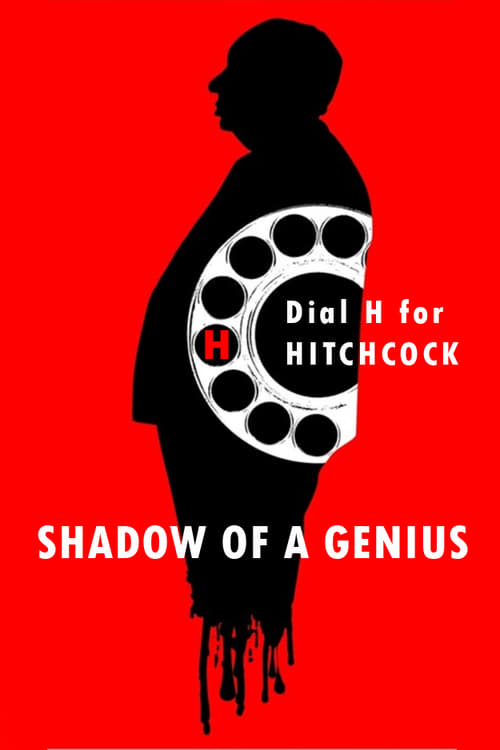
Hitchcock: Shadow of a Genius
1999
No user ratings available yet
Representation score: 3.5 out of 10
Representation Score
Fair
1973
Director
Richard Schickel
Runtime
57 minutes
Average Rating
No ratings yetNew Showbiz Analysis
This documentary functions as a formalist study of cinematic technique and Hitchcock's personal methodology. It prioritizes the mechanics of suspense and the director's visual language over social commentary. Because the film is a period-specific biographical retrospective, it reflects the era's dominant casting norms and traditional gendered tensions. It lacks the intentionality to deconstruct systemic hierarchies or address multiple aspects of identity. Ultimately, the work serves an academic purpose, focusing on the mastery of a singular auteur rather than exploring diverse social dynamics.
Category Breakdown
The documentary does not engage explicitly with LGBTQ+ identities or non-straight relationships. Instead, it focuses solely on Hitchcock’s technical processes and established cinematic formulas.
The film centers on Hitchcock’s portrayal of gendered archetypes, such as the 'cool blonde.' Female characters are observed through traditional gender clichés and psychological scrutiny.
Visual representation reflects the mid-century casting norms of Hitchcock's filmography. The documentary uses clips as technical examples without analyzing racial representation or considering multiple aspects of identity.
The narrative celebrates individual artistic genius within a Western cinematic context. It avoids critiques of religion, capitalism, or broader social institutions.
There is no significant focus on disability or neurodivergence. While Hitchcock explores psychological instability, these elements are used as narrative tools for suspense rather than representing lived experiences.
Present on Screen
Limited or Absent
Official Synopsis
A look at Alfred Hitchcock's films. The Master of Suspense himself, who is interviewed extensively here, shares stories including his deep-seated fear of policemen, elaborates on the difference between shock and suspense, defines the meaning of "MacGuffin," and discusses his use of storyboarding in designing a film. Clips from many of his greatest films (including "North by Northwest", "Shadow of a Doubt", "The Birds", and the legendary shower scene from "Psycho") illustrate his points, often to Hitchcock's own voice-over observations, with narrator Cliff Robertson offering other critical insights.
1999
2004
2000

2017
2021
2015
2009
2016
No reviews yet. Be the first to share your thoughts on this movie!
Use the rating form above to leave a star rating and optional review.