When the Woman Butts In
1960
No user ratings available yet
Diversity score: 4.0 out of 10

1966
15Director
Jan Halldoff
Runtime
80 minutes
Average Rating
No ratings yetSynopsis
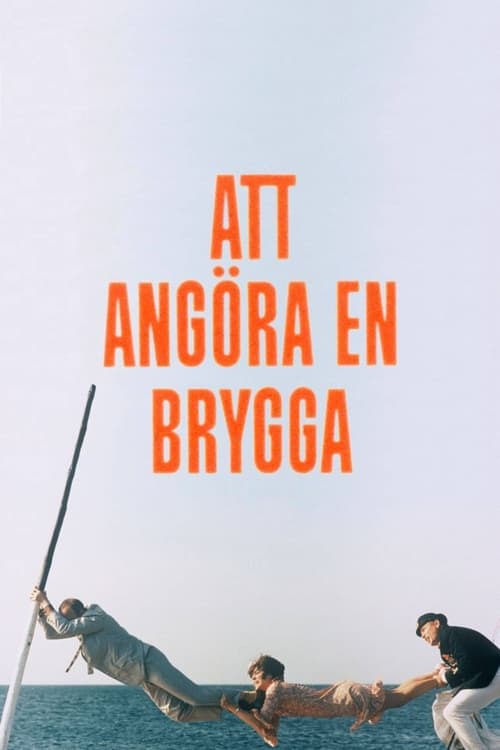
An eccentric, offbeat man performing pranks and peculiarities becomes a major concern for the Stockholm authorities. He mingles with bizarre slum characters and dreams of his ideal girl.
Overall Score
Fair
Category Breakdown
LGBTQ+ Representation
The film lacks explicit evidence of LGBTQ+ characters or same-sex intimacy. The protagonist's search for an 'ideal girl' suggests a conventional romantic trajectory.
Gender Representation
The story centers on a male protagonist's agency and his friction with authority. The pursuit of an 'ideal girl' may reinforce traditional gendered hierarchies.
Racial & Ethnic Diversity
The 1966 Stockholm setting suggests a demographic homogeneity typical of the era. The narrative focuses on class-based distinctions rather than racial or ethnic diversity.
Religious & Cultural Diversity
The film critiques social conformity by centering on social outsiders and slum characters. It rejects polished, middle-class standards in favor of eccentric, subjective morality.
Disability Representation
The protagonist's 'peculiarities' may serve as metaphors for neurodivergence. However, it is unclear if these traits are treated with agency or used as comedic devices.
Strengths
Areas for Improvement
AI Analysis
Jan Halldoff’s 1966 comedy functions primarily as a character study of a social outsider. The film finds its strength in challenging institutional rigidity and exploring the lives of those on the periphery of Stockholm society. However, the work remains limited by the era's demographic norms. It lacks documented evidence of racial, ethnic, or LGBTQ+ diversity, focusing instead on class-based eccentricity and traditional romantic pursuits. Ultimately, while the film disrupts social order through its anti-authoritarian protagonist, it does not engage with intersectional identity politics.
1960
1964
1967

1966
1965

1991

1966
1969
1977

1970
1981

1967
No reviews yet. Be the first to share your thoughts on this movie!
Use the rating form above to leave a star rating and optional review.