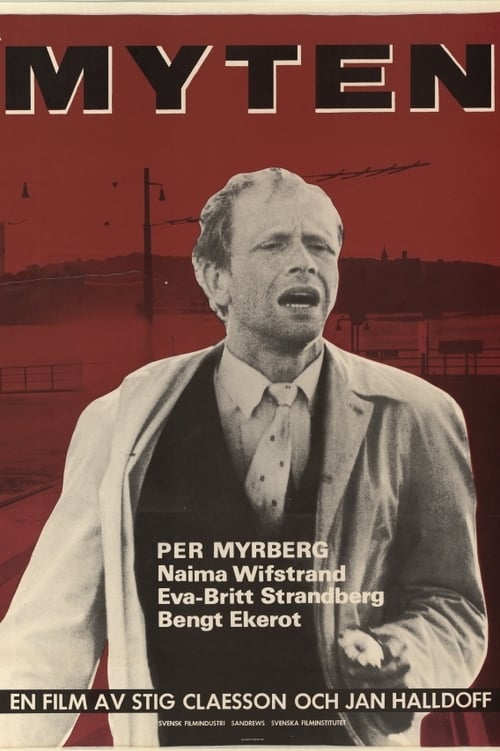
The D.T.'s
1966
No user ratings available yet
Diversity score: 4.0 out of 10
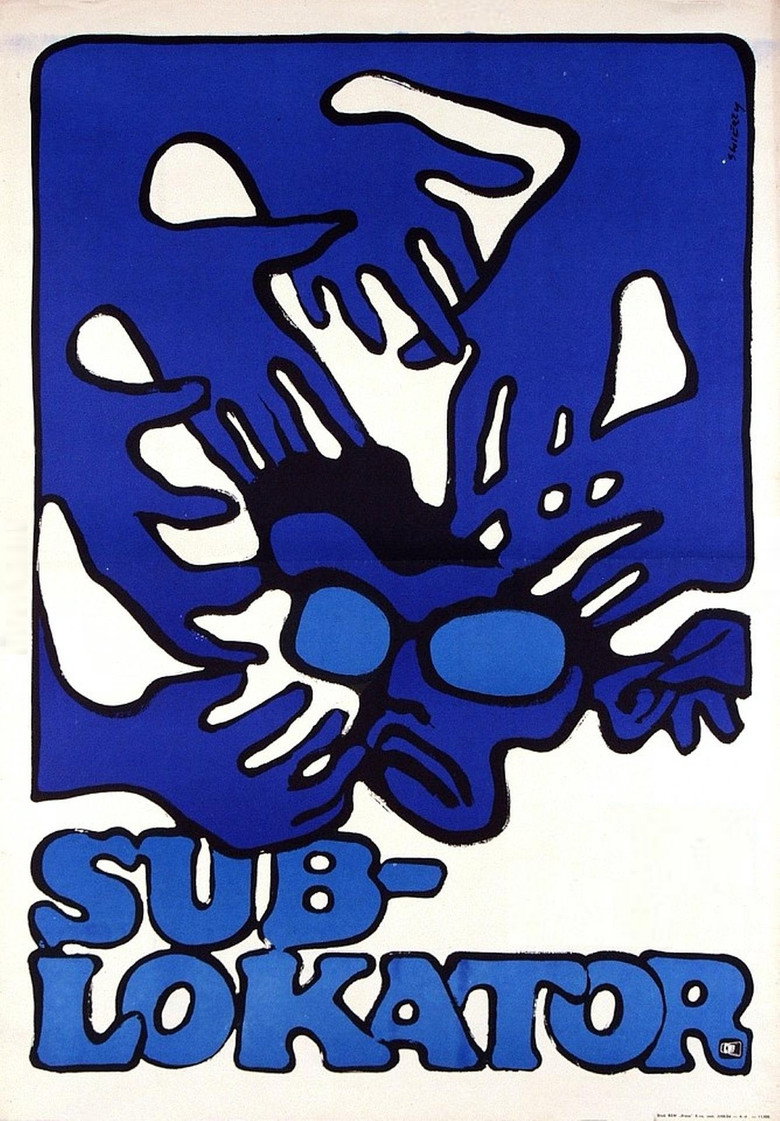
1967
Director
Janusz Majewski
Runtime
90 minutes
Average Rating
No ratings yetSynopsis
A pleasant, open-faced young man comes to live in a boarding house with three peculiar women.
Overall Score
Limited
Category Breakdown
LGBTQ+ Representation
The film lacks queer visibility, operating within a traditional mid-century social framework. There are no documented LGBTQ+ characters or narratives addressing non-cisnormative identities.
Gender Representation
The story centers on a household of three women, providing a look at female-dominated domestic spaces. However, it relies on traditional tropes of psychological vulnerability rather than subverting gender hierarchies.
Racial & Ethnic Diversity
Reflecting the demographic homogeneity of 1960s Poland, the cast is predominantly white. The film adheres to the social constraints of its era without diverse casting.
Religious & Cultural Diversity
The narrative focuses on individual psychological states like paranoia and guilt. It does not overtly critique religious structures or Western institutions, set instead within a bourgeois environment.
Disability Representation
There is no prominent depiction of physical disability or neurodivergence. Character struggles are primarily psychological, focusing on suspicion rather than meaningful disability agency.
Strengths
Areas for Improvement
AI Analysis
The Lodger functions as a period-specific psychological comedy that prioritizes suspense over social disruption. It reflects the demographic and social norms of 1960s Poland, resulting in a lack of intersectional complexity. While the film provides a concentrated look at female-dominated domesticity, it does not use this setting to challenge traditional gender roles. The tension is driven by mystery rather than progressive identity politics. Ultimately, the film is a traditional genre piece. It lacks diverse casting and explicit ideological subversion, remaining firmly within the established social constraints of its time.
1966

1966

1976
1981

1971

2022
1987
1955
1954
1974

1994
1976
No reviews yet. Be the first to share your thoughts on this movie!
Use the rating form above to leave a star rating and optional review.