
The Man in the Hat
2020
No user ratings available yet
Diversity score: 4.2 out of 10
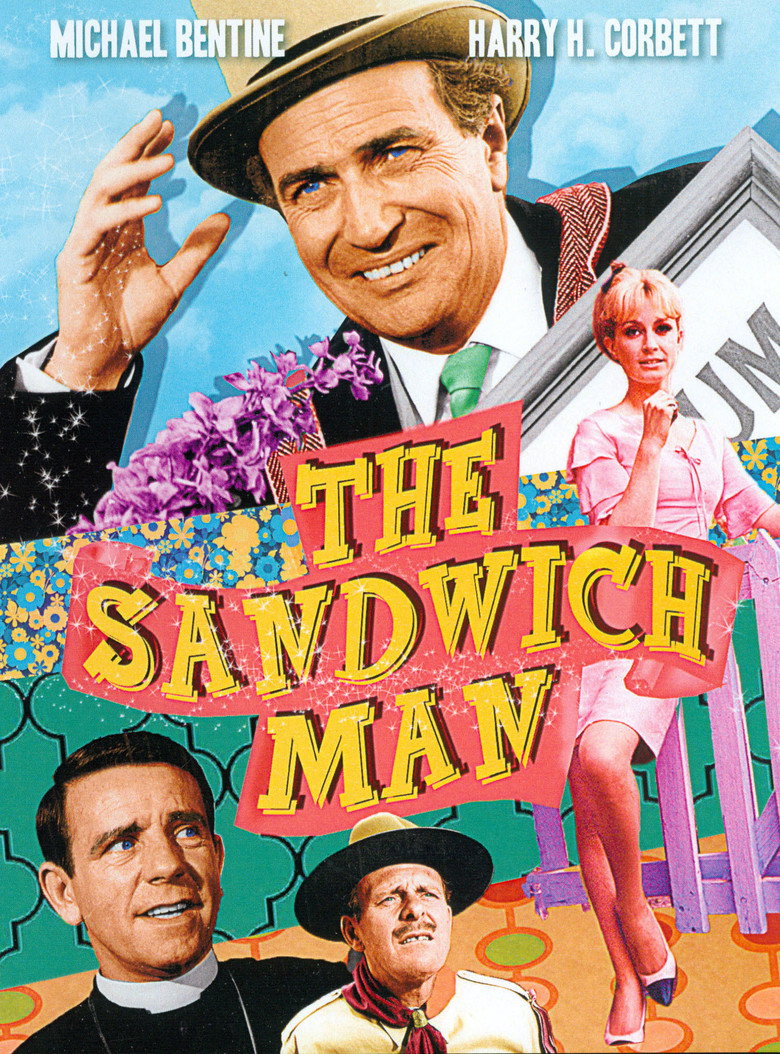
1966
Director
Robert Hartford-Davis
Runtime
95 minutes
Average Rating
No ratings yetSynopsis
A man with a sandwich-board (advert) wanders around London meeting many strange characters.
Overall Score
Limited
Category Breakdown
LGBTQ+ Representation
The film lacks documented queer agency or explicit critiques of heteronormativity. Given its 1966 release, non-heteronormative identities appear absent or relegated to coded subtext.
Gender Representation
The narrative likely reflects conventional 1960s gender hierarchies. There is no evidence of women occupying roles of intellectual or structural superiority over their male counterparts.
Racial & Ethnic Diversity
The film focuses on local social eccentricities within London. It lacks a deliberate effort toward racial blending or the subversion of Anglo-centric casting patterns.
Religious & Cultural Diversity
The story functions as a traditional observational comedy. It does not prioritize secularism or moral relativism as a means of systemic critique.
Disability Representation
Eccentricity is used primarily as a tool for situational humor. There is no evidence of neurodivergent or physically disabled characters possessing meaningful agency.
Strengths
Areas for Improvement
AI Analysis
The Sandwich Man is a character-driven vignette comedy that captures the urban landscape of 1966 London. It relies on episodic encounters with eccentric characters rather than a cohesive movement toward systemic critique or identity-based agency. The film adheres to the commercial and stylistic conventions of mid-century British filmmaking. It maintains the traditional social and cultural frameworks of its era rather than attempting to disrupt established hierarchies. Ultimately, the work functions as a period-typical exploration of urban eccentricity, prioritizing situational humor over intersectional representation or social subversion.
2020
1963
1966
1967
1974
1991

1967

1967
1966
1966
1963

1957
No reviews yet. Be the first to share your thoughts on this movie!
Use the rating form above to leave a star rating and optional review.