The Locket
1946
No user ratings available yet
Diversity score: 2.6 out of 10

1953
TV-14Director
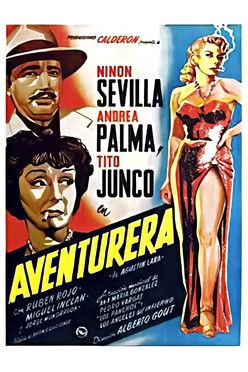
Alberto Gout
Runtime
95 minutes
Average Rating
No ratings yetSynopsis
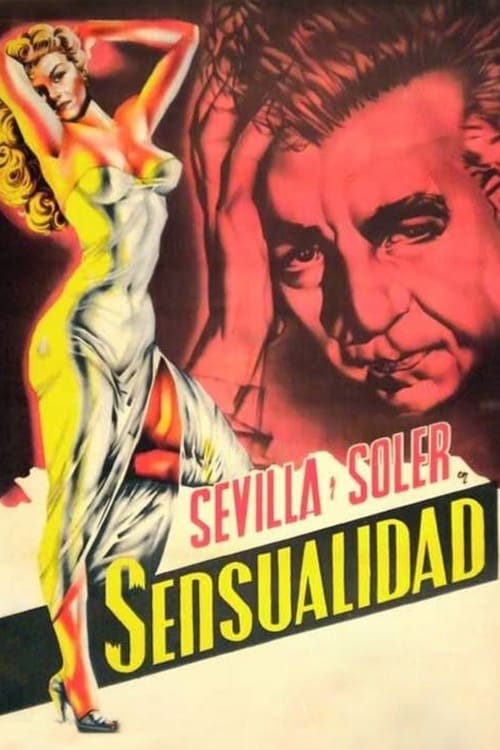
Tourist gets bonked on the head, suffers an amnesiac fugue, wanders away from her husband and children, becomes an evil prostitute-y thief-y saloon gal.
Overall Score
Limited
Category Breakdown
LGBTQ+ Representation
The film operates within traditional romantic and familial structures. There is no evidence of queer narratives or non-heteronormative identities present in the story.
Gender Representation
The protagonist disrupts conventional femininity by transitioning from a wife and mother to a criminal figure. This shift offers a rare portrayal of female agency and autonomy.
Racial & Ethnic Diversity
Set in Rio de Janeiro, the film avoids Anglo-centric perspectives by focusing on Latin American identities. However, specific casting details regarding non-white representation are not provided.
Religious & Cultural Diversity
The narrative critiques the sanctity of the nuclear family through the protagonist's descent into transgressive behavior. It prioritizes individual chaos over religious or moral ideals.
Disability Representation
Amnesia serves as a plot device rather than a nuanced study of cognitive impairment. The fugue state functions primarily as a trope to trigger character changes.
Strengths
Areas for Improvement
AI Analysis
Adventure in Rio offers a fascinating look at the destabilization of social roles during the Golden Age of Mexican cinema. The film's strength lies in its subversion of gendered expectations, moving a woman from domesticity into the gritty agency of the criminal underworld. However, the film relies on heavy genre tropes, particularly regarding disability. The use of amnesia as a convenient narrative catalyst prevents a deeper exploration of neurological conditions, treating the condition as a tool for plot progression rather than lived experience. Ultimately, while the film challenges mid-century standards of submissive femininity, it remains anchored to the era's traditional social and narrative frameworks.
1946
1952
1964
1950
1951
No reviews yet. Be the first to share your thoughts on this movie!
Use the rating form above to leave a star rating and optional review.