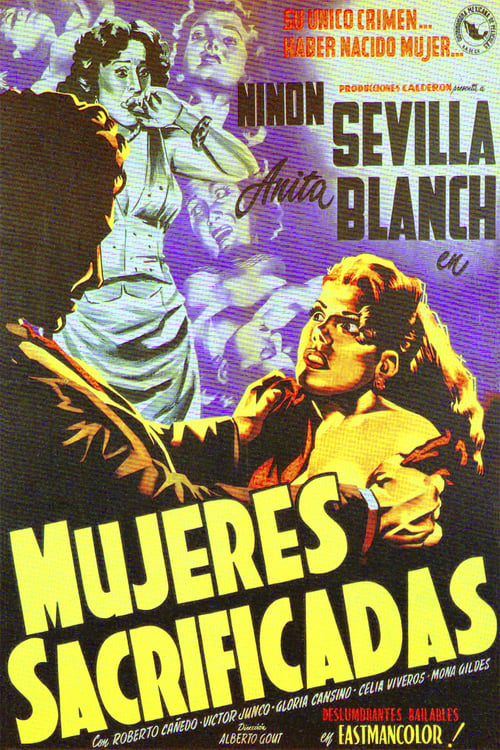
Mujeres sacrificadas
1952
No user ratings available yet
Representation score: 4.5 out of 10
Representation Score
Limited
1950
NRDirector
Alberto Gout
Runtime
101 minutes
Average Rating
No ratings yetNew Showbiz Analysis
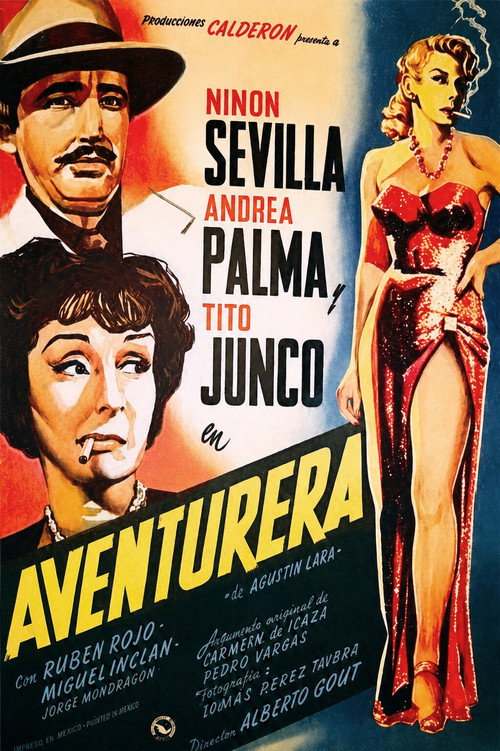
Aventurera stands as a significant example of the Golden Age of Mexican cinema, using film noir elements to create an urban melodrama. The film's main achievement is its challenge to the 'damsel in distress' cliché, transforming passive victimhood into a protagonist who navigates systemic corruption through strategic intent. While the film adheres to the moralistic constraints of the 1950s, it disrupts traditional domestic hierarchies. By centering a woman's survival in a predatory environment, the narrative shifts from conventional domestic storytelling to a more complex exploration of resilience. However, the film remains limited by its time period, lacking diverse representation and featuring no LGBTQ+ characters or non-straight relationships.
Category Breakdown
The film does not include any LGBTQ+ characters or non-straight relationships. The interpersonal dynamics are centered around heterosexual tensions and the femme fatale stereotype.
The story focuses on a woman's role within a male-dominated criminal environment. Elena transitions from being deceived to becoming a protagonist who uses intelligence to seek justice.
The production features a predominantly Mexican cast and explores a localized urban landscape. It avoids whitewashing by offering a culturally specific portrayal of Mexico City.
The narrative examines the tension between traditional social structures and the criminal underworld. It portrays the breakdown of the family unit as a key element in the protagonist's journey.
There are no characters with visible or invisible disabilities that serve as central plot devices or have specific roles.
Present on Screen
Limited or Absent
Official Synopsis
Left alone after her mother runs off with another man and her father kills himself, Elena attempts to make a new life for herself in a new city. Believing he's a friend, Elena goes to dinner with "Pretty Boy" Lucio, but he drugs her champagne and sells her to Rosaura, who runs a brothel out of her nightclub. Elena becomes a sensation as a dancer, but all the while she nurtures plans of revenge against those who have conspired against her.
1952

1962

1965
2005
1951
1920
1950
1964
No reviews yet. Be the first to share your thoughts on this movie!
Use the rating form above to leave a star rating and optional review.